In the annals of ancient history, few artifacts captivate the imagination quite like the Antikythera Mechanism. Discovered in 1901 by sponge divers off the coast of the Greek island of Antikythera, amidst a Roman-era shipwreck, this unassuming collection of corroded bronze fragments initially baffled archaeologists. What emerged from painstaking research over the subsequent decades was nothing short of revolutionary: an astronomical calculator of unparalleled complexity, predating any similar device by over a millennium.
Overview
The year was 1901 when sponge divers, exploring a Roman-era shipwreck off the coast of the Greek island of Antikythera, stumbled upon an artifact that would redefine our understanding of ancient technological prowess. What initially appeared to be corroded lumps of bronze eventually revealed themselves to be the remnants of an extraordinarily complex mechanical device – later christened the Antikythera Mechanism. Dating back to the late 2nd century BCE, this intricate assembly of more than 30 meshing bronze gears is now widely recognized as the world's first known analog computer, designed to predict astronomical positions and eclipses with remarkable accuracy. Its sophistication far surpasses any known technology for the next thousand years, presenting a compelling enigma regarding the true extent of ancient Greek scientific and engineering capabilities. This article will embark on a journey to re-engineer our comprehension of this ancient marvel, exploring its design, function, and enduring legacy.
Principles & Laws
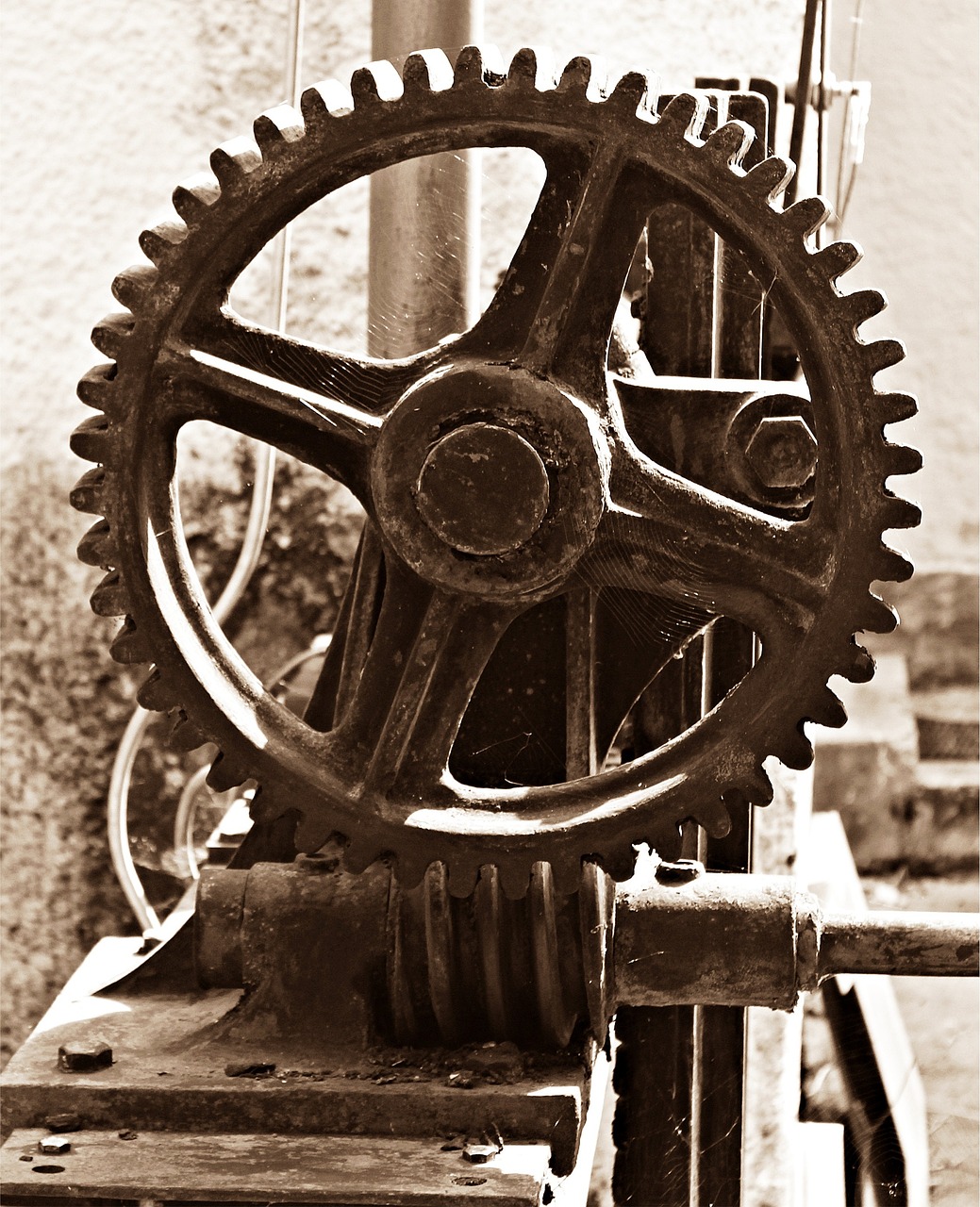
At its core, the Antikythera Mechanism is a testament to the ancient Greeks' profound understanding of mathematical astronomy and mechanical engineering. It employed a sophisticated system of differential gearing, a mechanism thought to have been invented much later, to sum and subtract angular motions. This allowed it to model the complex, non-uniform movements of celestial bodies. Key astronomical principles incorporated include:
- Epicyclic Gearing for Planetary Motion: While the full extent of planetary modeling is still debated, the mechanism certainly incorporated epicyclic gear trains to account for the varying speeds of the Moon and Sun across the sky, compensating for their elliptical orbits (or the Earth's elliptical orbit around the Sun, depending on the geocentric vs. heliocentric perspective of the time).
- Lunisolar Calendars: The device displayed the positions of the Sun and Moon against the zodiac and a complex calendar. This included the 19-year Metonic cycle (235 lunar months), which synchronizes lunar and solar calendars, and the 76-year Callippic cycle, a refinement of the Metonic cycle.
- Saros Cycle: A crucial function was the prediction of eclipses. The Saros dial displayed the 223-lunar-month (approximately 18-year, 11-day, 8-hour) Saros eclipse cycle, which represents the recurrence period of similar eclipses. It even included a 'four-year' cycle related to the Olympiads and other Panhellenic Games, connecting celestial timing with terrestrial events.
- Mechanical Advantage and Gear Ratios: The intricate gear trains were precisely calculated to achieve specific ratios that mirrored known astronomical periods. The number of teeth on each gear was critical, reflecting the numerical values derived from ancient observational astronomy. For instance, the main lunar anomaly dial utilized a gear train with a specific number of teeth (e.g., 64:38 for the moon's synodic month) to represent the difference between the actual speed of the moon and its average speed.
- Differential Gearing: One of the most astonishing features is the differential gear, which takes two input rotations and outputs their sum or difference. In the Antikythera Mechanism, a differential gear was almost certainly used to calculate the synodic month (the time between successive new moons) by subtracting the annual motion of the sun from the sidereal motion of the moon.
Methods & Experiments
Unraveling the secrets of the Antikythera Mechanism has been a century-long endeavor involving multiple generations of researchers and increasingly sophisticated technologies. Initial studies by archaeologist Valerios Staïs and classicist J. Svoronos established its mechanical nature. However, it was the pioneering work of science historian Derek J. de Solla Price in the 1950s and 60s, utilizing X-ray imaging, that first revealed the complexity of its internal gearing. Price's 1974 monograph, 'Gears from the Greeks,' provided the foundational understanding that it was an astronomical calculator.
The most significant breakthroughs came in the early 21st century with the Antikythera Mechanism Research Project, an international collaboration employing advanced imaging techniques:
- High-Resolution X-ray Computed Tomography (CT): This non-invasive method allowed researchers to 'see inside' the heavily corroded fragments without dismantling them. Micro-focus X-ray CT produced thousands of cross-sectional images, revealing previously hidden gears, inscriptions, and internal structures with unprecedented detail.
- Polynomial Texture Mapping (PTM): Also known as Reflectance Transformation Imaging (RTI), this technique involved capturing multiple images of the surface under varying light conditions. Specialized software then allowed researchers to digitally relight the surface from any direction, enhancing faint engravings and inscriptions on the corroded bronze.
- 3D Digital Reconstruction: Based on the CT scans, detailed 3D models of individual fragments and reconstructed assemblies were created. This allowed for virtual re-engineering, testing different hypotheses about gear arrangements and functions.
- Physical Reconstructions: Numerous modern engineers and horologists, such as Michael Wright and more recently, the UCL Antikythera Research Team, have built working models based on the research data. These physical recreations serve as experimental platforms to confirm the mechanism's proposed functions and to better understand its operational mechanics and manufacturing processes.
These interdisciplinary methods, combining archaeology, classical studies, mathematics, computer science, and engineering, transformed our understanding from educated guesswork to precise, data-driven reconstructions.
Data & Results
The exhaustive research has yielded a comprehensive understanding of the mechanism's primary functions:
- Astronomical Predictions: The front dial showed the Sun's and Moon's positions against the zodiac and a 365-day Egyptian calendar, which could be adjusted for leap years. Pointers likely indicated the positions of at least five planets (Mercury, Venus, Mars, Jupiter, Saturn), though their specific gearing is still a subject of ongoing research and reconstruction.
- Eclipse Forecasting: The rear face featured two large spiral dials. The upper dial displayed the 223-month Saros cycle, marking eclipse possibilities and even indicating the likelihood of solar or lunar eclipses using inscribed symbols. The lower dial showed the 76-year Callippic cycle and the 19-year Metonic cycle, further refining calendrical and eclipse predictions.
- Athletic Games Calendar: An inscription confirmed the presence of a 'Games' dial, indicating the timing of the Panhellenic Games, including the Olympic Games, Pythian, Nemean, and Isthmian Games. This integration highlights the intertwining of astronomy, calendar keeping, and societal events in ancient Greek culture.
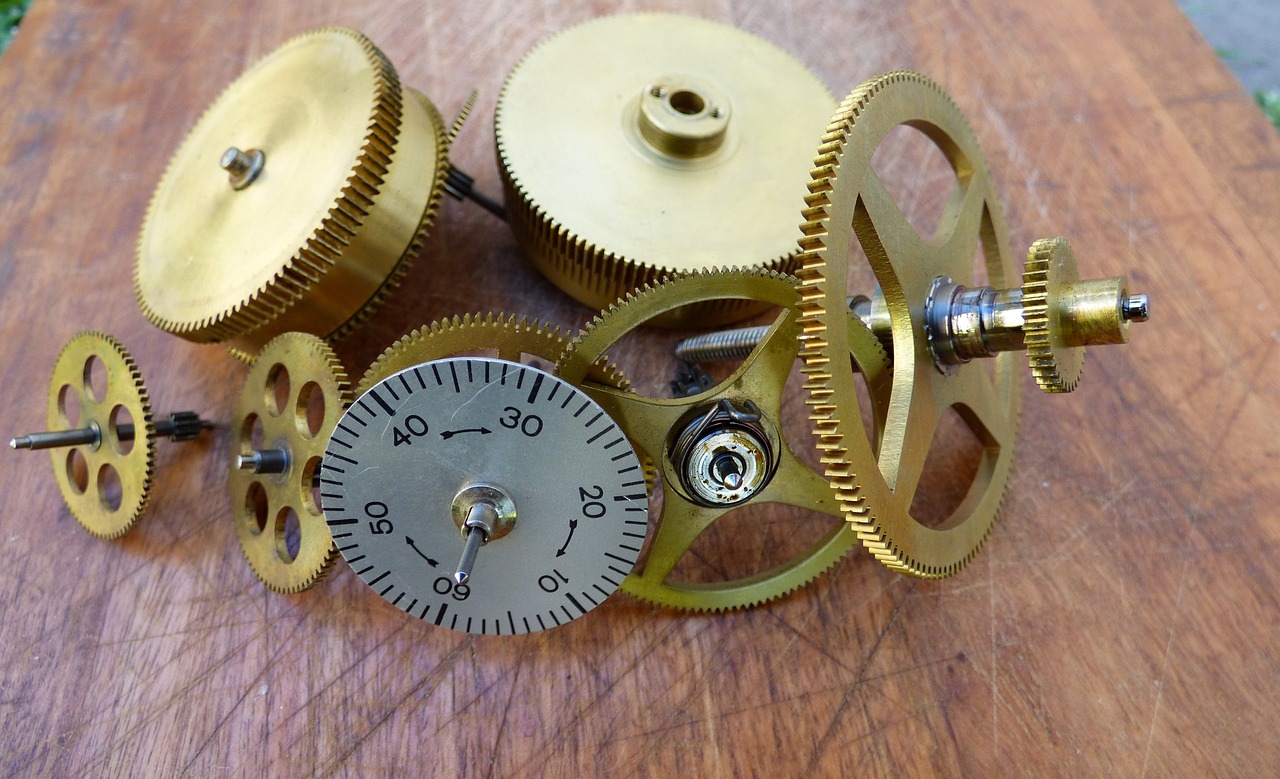
- Precision and Complexity: The mechanism contained at least 37 meshing gears, with some fragments suggesting even more. The smallest gears measured just a few millimeters across, featuring finely cut triangular teeth, a testament to exceptional craftsmanship. Its ability to account for the Moon's variable speed (the first anomaly) using an epicyclic system with an eccentric pin-and-slot mechanism was particularly advanced.
- Inscriptions: Hundreds of faint Greek inscriptions on the mechanism's plates have been deciphered, acting as a user manual or a celestial handbook. These texts explain the dials' functions, list astronomical phenomena, and even mention colors for astronomical predictions (e.g., indicating eclipse visibility).
Applications & Innovations
The Antikythera Mechanism stands as a singular achievement, an 'out of place artifact' that fundamentally alters our perception of ancient Greek innovation. Its applications and implications include:
- Proving Advanced Ancient Engineering: It demonstrates that the Greeks possessed the theoretical knowledge (e.g., Archimedes' work on gearing) and the practical metallurgical and machining skills to create highly complex mechanisms. This challenges the long-held view that such mechanical sophistication only emerged in the medieval period with the development of elaborate clockwork.
- Analog Computing Precursor: The mechanism is a direct ancestor of analog computers, using mechanical movements to model mathematical relationships. Its ability to integrate multiple astronomical cycles simultaneously marks it as a truly computational device.
- Understanding the History of Science: Its existence suggests a 'golden age' of mechanical astronomy that was lost, possibly due to the decline of the Hellenistic world, barbarian invasions, or simply the fragility of such devices. Without the Antikythera discovery, we would be largely ignorant of this profound chapter in scientific history.
- Inspiration for Modern Engineering and Art: The mechanism continues to inspire engineers, artists, and educators. Its story is a powerful narrative of human ingenuity, resilience, and the relentless pursuit of understanding the cosmos. Replicas and digital models are used in museums and educational settings worldwide.
Key Figures
The journey to understand the Antikythera Mechanism is marked by the contributions of several pivotal figures:
- Valerios Staïs (1857–1923): The Greek archaeologist who first identified the corroded bronze mass as a mechanism with gears, marking the true discovery of the device in 1902.
- Derek J. de Solla Price (1922–1983): A British historian of science, his groundbreaking work in the 1950s and 60s, using X-ray photography, provided the first comprehensive model of the mechanism and its functions, establishing it as an astronomical calculator.
- Allan G. Bromley (1947–2002): An Australian computer scientist who, along with Frank Percival, performed more detailed X-ray analyses in the 1990s, clarifying many of Price's earlier findings and adding new insights.
- Michael Wright (b. 1941): A British horologist and former curator at the Science Museum in London, who, from the late 1980s onwards, conducted extensive X-ray examinations and created the first widely accepted and highly functional reconstruction of the mechanism, proposing the planetary gearing for Mercury and Venus.
- The Antikythera Mechanism Research Project (AMRP): Initiated in 2005, this international collaboration, spearheaded by researchers like Tony Freeth (mathematician), Alexander Jones (historian of ancient science), and Mike Edmunds (astronomer), used advanced 3D X-ray tomography and other imaging techniques to fully map the mechanism's components and decipher most of its inscriptions, leading to the most complete understanding to date.
Ethical & Societal Impact
The Antikythera Mechanism carries significant ethical and societal implications:
- Cultural Heritage Preservation: The mechanism is an irreplaceable piece of human heritage. Its study and preservation involve complex ethical decisions regarding conservation methods, access for research, and public display, balancing scientific inquiry with the fragility of ancient artifacts.
- Revising Historical Narratives: Its existence forces a revision of our understanding of technological progress, demonstrating that advanced concepts and craftsmanship periodically emerged and sometimes disappeared from the historical record. This challenges linear models of scientific development.
- STEM Inspiration: The story of the Antikythera Mechanism is a powerful tool for inspiring interest in science, technology, engineering, and mathematics (STEM) fields. It connects modern students with ancient ingenuity, showing that fundamental scientific principles and problem-solving are timeless.
- Interdisciplinary Collaboration: The multi-faceted research into the mechanism exemplifies the power of interdisciplinary collaboration, bringing together archaeologists, historians, mathematicians, engineers, and computer scientists to solve a grand historical puzzle.
Current Challenges
Despite over a century of research, some mysteries surrounding the Antikythera Mechanism persist:
- The Missing Pieces: A significant portion of the mechanism is still missing, leaving gaps in our understanding of its full functionality, particularly regarding the complete planetary system. While Mercury and Venus are largely reconstructed, the gearing for Mars, Jupiter, and Saturn remains hypothetical.
- Manufacturing Techniques: The precise methods used to manufacture such fine gears and assemble the intricate device are not fully understood. While likely crafted by hand with specialized tools, the level of precision achieved suggests sophisticated workshop practices.
- Original Appearance and Operation: We have a functional understanding, but visualizing the mechanism as it appeared and operated 2,000 years ago, perhaps encased in wood or a more elaborate bronze housing with specific pointers and labels, is still a challenge.
- The Maker(s) and Context: The identity of its creator(s) remains unknown, though Archimedes, Hipparchus, or Posidonius have been suggested. The exact patronage and scientific milieu that fostered such an invention are also subjects of ongoing debate.
Future Directions
Research on the Antikythera Mechanism continues to evolve, with future directions focused on:
- Further Shipwreck Exploration: Renewed archaeological expeditions to the Antikythera wreck site, using advanced underwater robotics and dive technologies, hold the potential to recover additional fragments of the mechanism or even related artifacts.
- Advanced Digital Modeling: Utilizing increasingly powerful computational tools and artificial intelligence, researchers may be able to refine existing 3D models, simulate proposed gear trains more accurately, and even reconstruct the full planetary functionality with greater certainty.
- Material Science Analysis: Detailed material analysis of the bronze alloys and manufacturing traces could provide insights into ancient metallurgical practices and tool use.
- Educational Outreach and Public Engagement: Developing interactive digital exhibits, virtual reality experiences, and engaging educational programs will continue to bring the wonder of the Antikythera Mechanism to a global audience, solidifying its place in public consciousness as a symbol of ancient human ingenuity.
Conclusion
The Antikythera Mechanism is more than just an artifact; it is a profound testament to the intellectual curiosity and engineering brilliance of the ancient Greeks. Its re-discovery and subsequent re-engineering through modern scientific methods have not only illuminated a lost chapter in the history of technology but have also recalibrated our understanding of the chronological development of science. This bronze-geared cosmic simulator, born from the Hellenistic age, stands as a solitary yet towering monument to ancient ingenuity, reminding us that the seeds of scientific exploration and technological innovation were sown much earlier and with far greater sophistication than once imagined, forever challenging and inspiring future generations to look deeper into the past for lessons on ingenuity and progress.