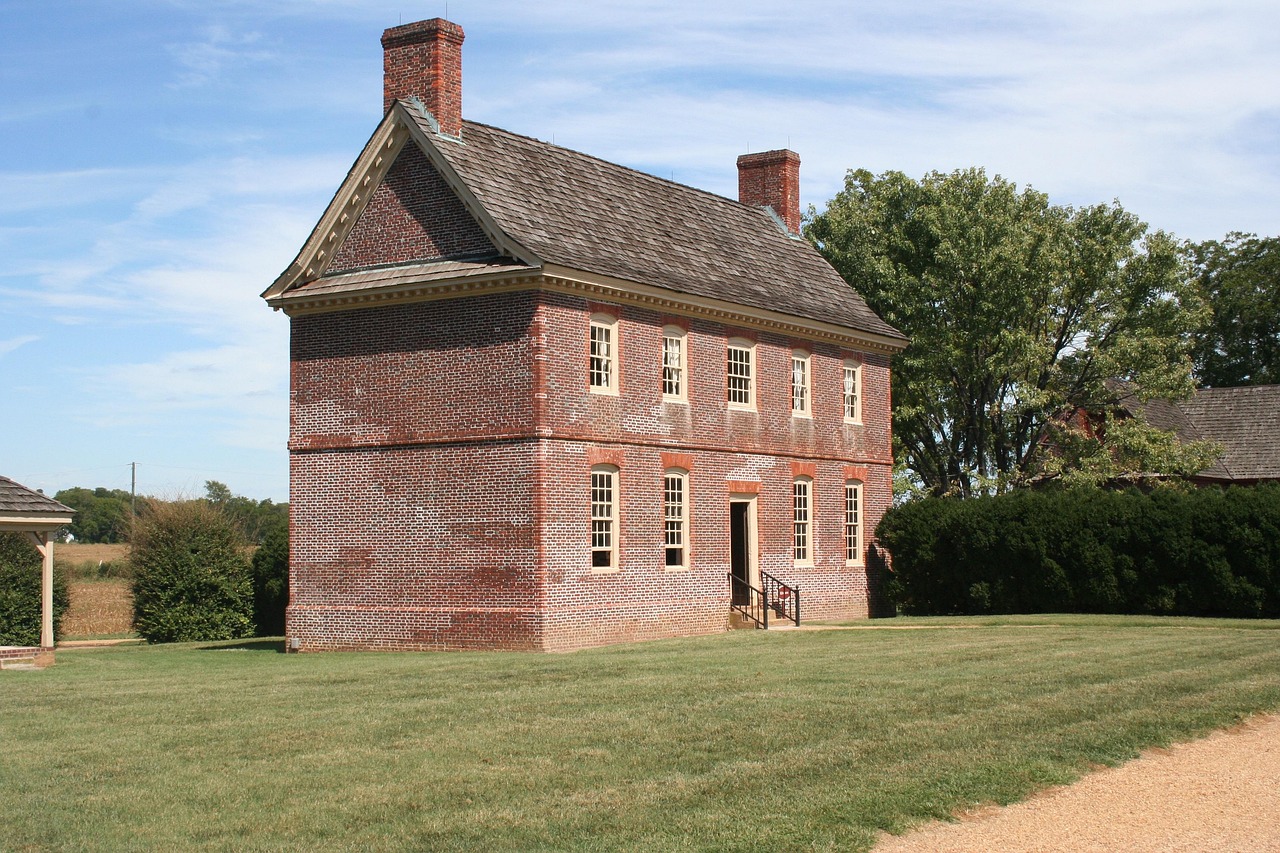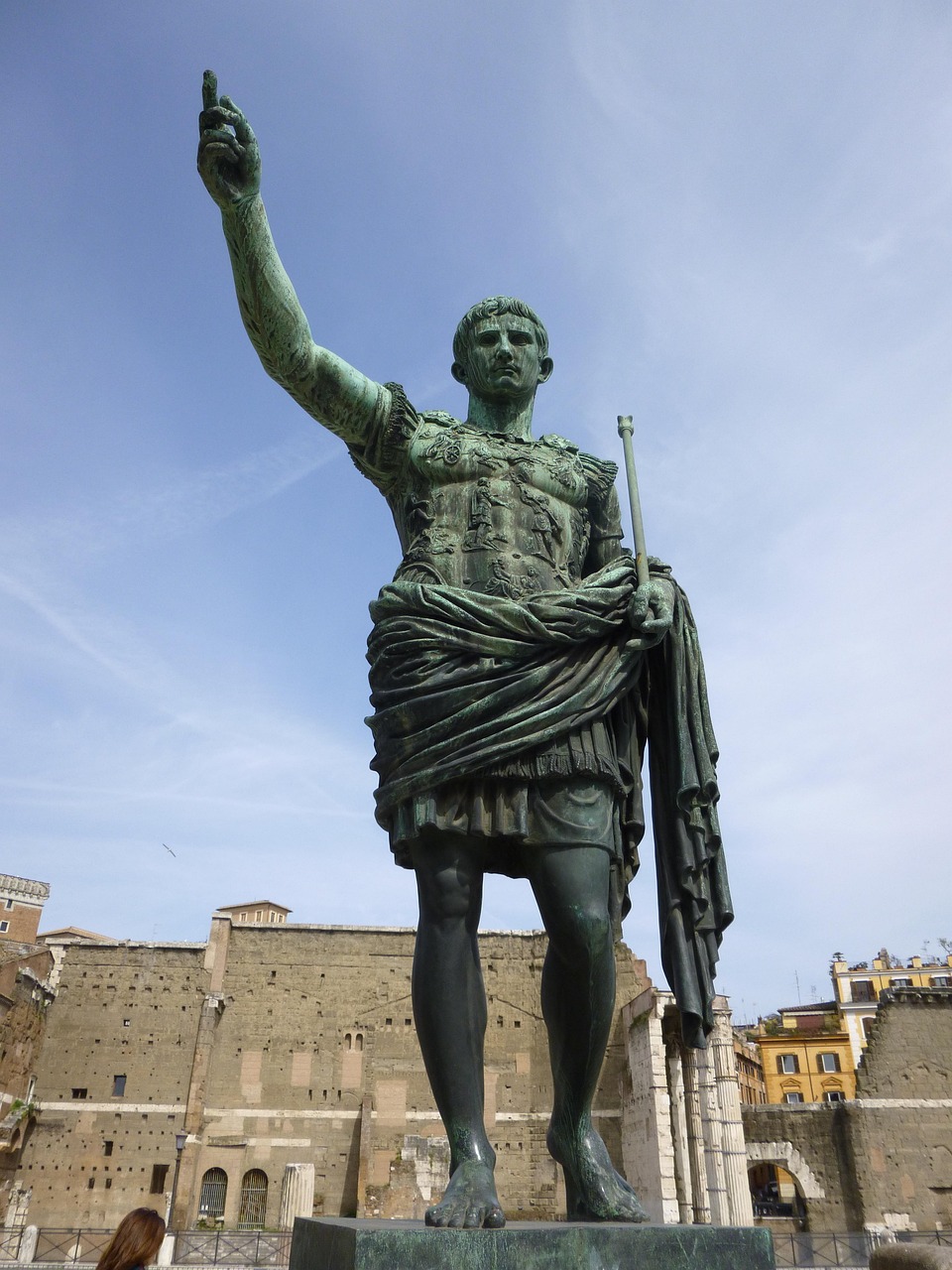
From the earliest settlements to the sprawling metropolises of today, pioneering figures have pushed the boundaries of design and engineering. Their ingenuity paved the way for the complex urban environments we inhabit and have often reflected the cultural values of their times.

Background
Throughout human history, architecture has served as a mirror reflecting societal values, technological progress, and cultural aspirations. Pioneering architects and engineers have often pushed the boundaries of what is deemed possible, blending artistic vision with scientific accuracy. From ancient builders who first arranged stones into mighty structures to modern visionaries transforming cityscapes, these figures have left indelible marks on the physical and cultural landscape.
Origins and Early Influences
Many of the earliest architects were craftsmen or master builders whose skills were passed down through apprenticeships. As civilizations expanded, so did the complexity of their architecture, prompting the development of specialized knowledge. The Renaissance period, for example, saw figures like Filippo Brunelleschi, whose innovative engineering of the Florence Cathedral's dome exemplifies early integration of science and art.
Evolution of Architectural Thought
Moving into the modern era, architects like Le Corbusier and Frank Lloyd Wright redefined space, function, and aesthetics. Their influence is evident in the movement toward modernism and organic architecture, respectively. Historical pioneers often incorporated new materials, such as steel and reinforced concrete, revolutionizing construction techniques and enabling unprecedented structural feats.
Geography
Designs and innovations by architectural pioneers are deeply rooted in geographic contexts. For example, Islamic architects adapted to desert climates with features like courtyards and domes that offer cooling, while Scandinavian builders prioritized timber techniques suitable for colder environments. The geographical conditions influenced structural choices, materials, and cultural motifs.
Regional Innovations
In Asia, the Great Wall of China represents a monumental feat of military engineering and construction innovation, reflecting strategic concerns of its time. European Gothic cathedrals, with their soaring arches and stained glass, showcase advances in both structural engineering and artistic expression adaptable to specific terrains and resources.
Society & Culture
Architectural pioneers often responded to the social and cultural needs of their societies. Their works reflect religious beliefs, political power, and social hierarchies. For example, the grandeur of Versailles embodied absolute monarchy, while the humility of simple monasteries echoed spiritual devotion.
Impact on Social Identity
Structures like the Taj Mahal symbolize cultural identity and spiritual devotion, fostering a sense of collective memory. Urban development influenced by architectural figures often aimed to forge community identity and adapt to population growth, as seen in the city planning of Haussmann in Paris.
Economy & Trade
Architecture and construction have long been intertwined with economic development. The availability of funding for monumental projects reflects broader economic health, while innovations in construction techniques can reduce costs and accelerate development. Architects like Sir Norman Foster have pioneered sustainable and cost-effective building solutions, impacting local and global economies.
Trade Networks and Material Supply
Many pioneering structures were made possible through extensive trade networks that supplied unique materials—marble from Carrara, for example, or specialized bricks from the Middle East. These materials not only influenced aesthetics but also technological possibilities in construction.
Military & Technology
Military needs historically spurred architectural innovations—castles, fortresses, and city defenses showcase strategic design. Innovations in engineering, such as the development of arches, domes, and defensive walls, often transitioned into civilian architecture, influencing city planning and large-scale construction.
Technological Advancements
From the arches of Roman aqueducts to the use of cranes and scaffolding, technological advancements have enabled architects to conceive taller, more resilient structures. The development of lifts and elevators by pioneers like Elisha Otis revolutionized skyscraper design in the 19th century, opening new horizons for urban development.
Governance & Law
Architectural projects frequently reflect the governance structures of their time. Royal commissions, civic projects, and religious patronage shaped architectural outputs. Laws regulating building codes and safety standards became increasingly essential as structures grew taller and more complex.
Urban Planning Regulations
Some pioneers had a hand in developing early urban planning laws, guiding the proper development of cities. The work of Baron Haussmann and others demonstrates how governance influences architectural aesthetics and the functionality of urban spaces.
Archaeology & Sources
Historical architecture is often studied through archaeology, revealing insights into construction techniques, societal structures, and cultural values. Sources include inscriptional evidence, ancient texts, and material remains, which help reconstruct the lives and innovations of pioneering builders across eras.
Key Archaeological Discoveries
Cartographic analyses of Roman ruins, the analysis of medieval cathedrals, and excavations of ancient cities like Pompeii continue to inform our understanding of early architectural ingenuity and social organization.
Timeline
- c. 2800 BCE — Construction of the Step Pyramid of Djoser, Egypt
- Circa 1500 BCE — Mycenaean architecture and fortifications
- 5th century BCE — Parthenon, Athens, Greece
- 1st century CE — Colosseum, Rome
- 12th-13th centuries — Gothic cathedrals of Europe
- 15th century — Florence Cathedral Dome by Filippo Brunelleschi
- 19th century — Eiffel Tower, Paris
- 20th century — Fallingwater by Wright, and skyscrapers by Mies van der Rohe
- 21st century — Sustainable skyscrapers and smart city architectures
Debates/Controversies
Architectural pioneers often faced controversy over their methods, stylistic choices, and the social implications of their work. Debates persist over the preservation of historic landmarks versus modernization, the ethical implications of certain designs, and the environmental impact of large-scale projects.
Preservation vs. Innovation
The tension between conserving historical architecture and embracing new styles or technologies continues to divide critics and practitioners alike. Landmark cases include the demolition of Paris’s Notre-Dame-des-Champs or the reconstruction of historic districts.
Enduring Impact
From the aesthetics of classical architecture to the cutting-edge designs of today, these figures have demonstrated how architecture can be a catalyst for societal progress, cultural expression, and technological advancement.
Conclusion
Architectural pioneers have shaped human history not merely through their constructions but by redefining the limits of possibility in building technology, societal structure, and cultural identity. Their work invites ongoing exploration of the harmony between form, function, and society, inspiring future creators to build beyond what appears possible today.