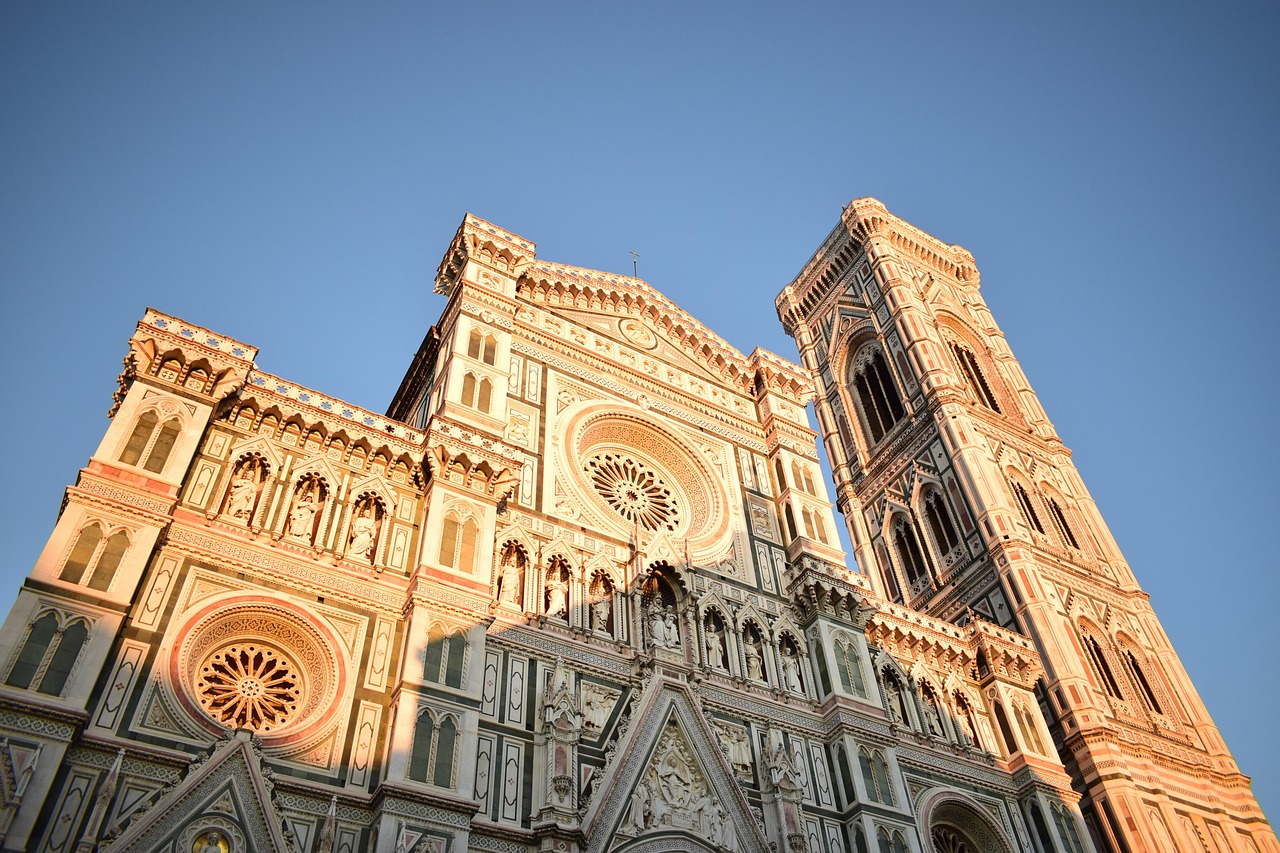
In the heart of Renaissance Florence stands a monument to human ingenuity and architectural ambition: the colossal dome of Santa Maria del Fiore. For centuries, its construction was deemed an impossible feat, a challenge so monumental it stumped the greatest minds of its age. Yet, in the early 15th century, Filippo Brunelleschi, a goldsmith turned architect, unveiled a blueprint that, while lacking modern computational tools, demonstrated an intuitive and profound grasp of geometric principles that would not be formally understood for centuries. His methods were, in essence, an early form of large-scale computational geometry, solved through ingenious observation, precise measurement, and groundbreaking structural design.
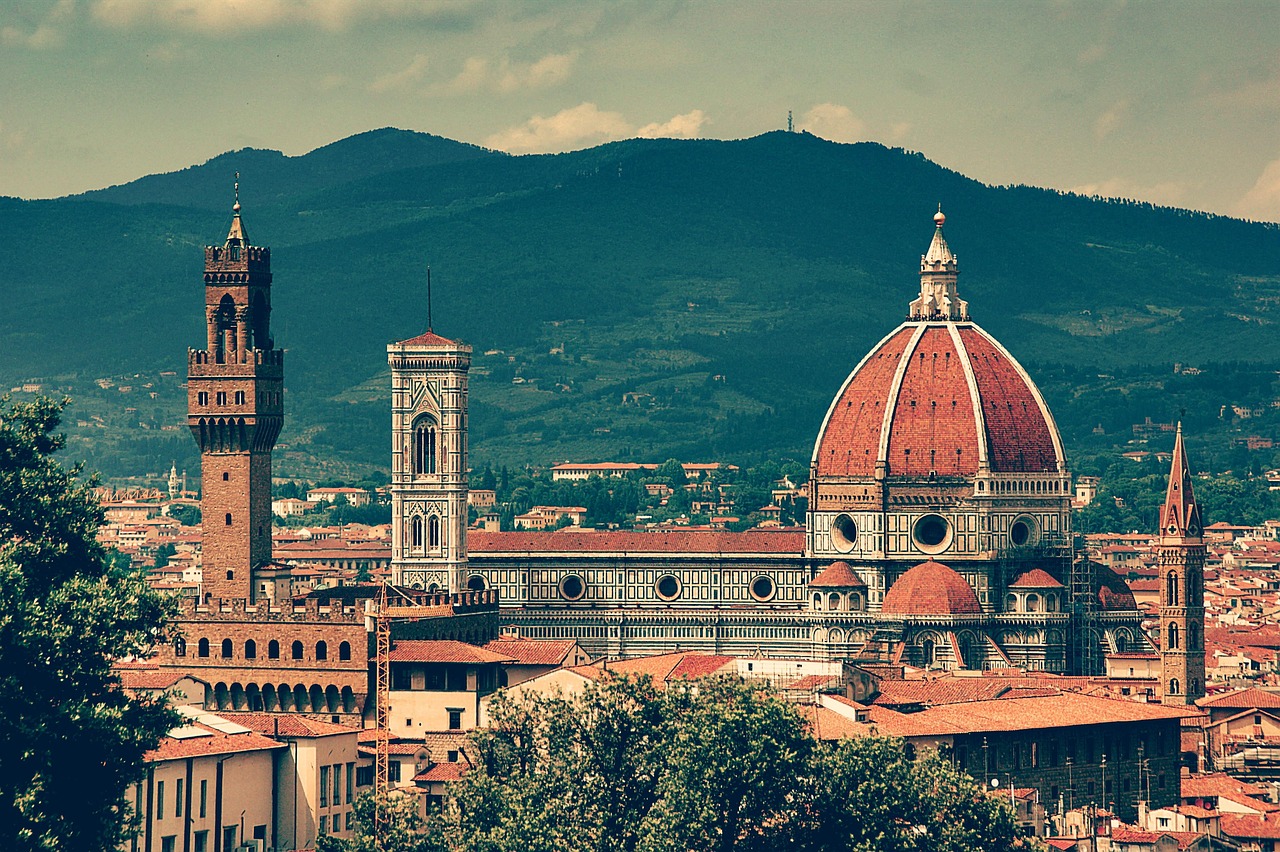
Unraveling the Renaissance Engineering Feat That Defined an Era Through Intuitive Mechanics and Pioneering Construction
Overview
The Florence Cathedral, Santa Maria del Fiore, crowned by Filippo Brunelleschi's colossal dome, remains one of humanity's most breathtaking architectural and engineering achievements. Completed in 1436 without the aid of traditional scaffolding or flying buttresses, the Duomo challenged the very limits of Renaissance technology and understanding of structural mechanics. This isn't just a story of audacious vision; it's a testament to an intuitive grasp of what we now call computational geometry, applied through empirical genius. Brunelleschi's solution to building the largest dome ever conceived was not merely artistic; it was a deeply scientific and technological breakthrough that blended ancient knowledge with innovative, unprecedented methods, effectively solving a structural riddle that had stumped generations of master builders. It represented a pivotal moment where practical craft began to merge with theoretical engineering, laying groundwork for future scientific inquiry and construction methodologies.
Principles & Laws
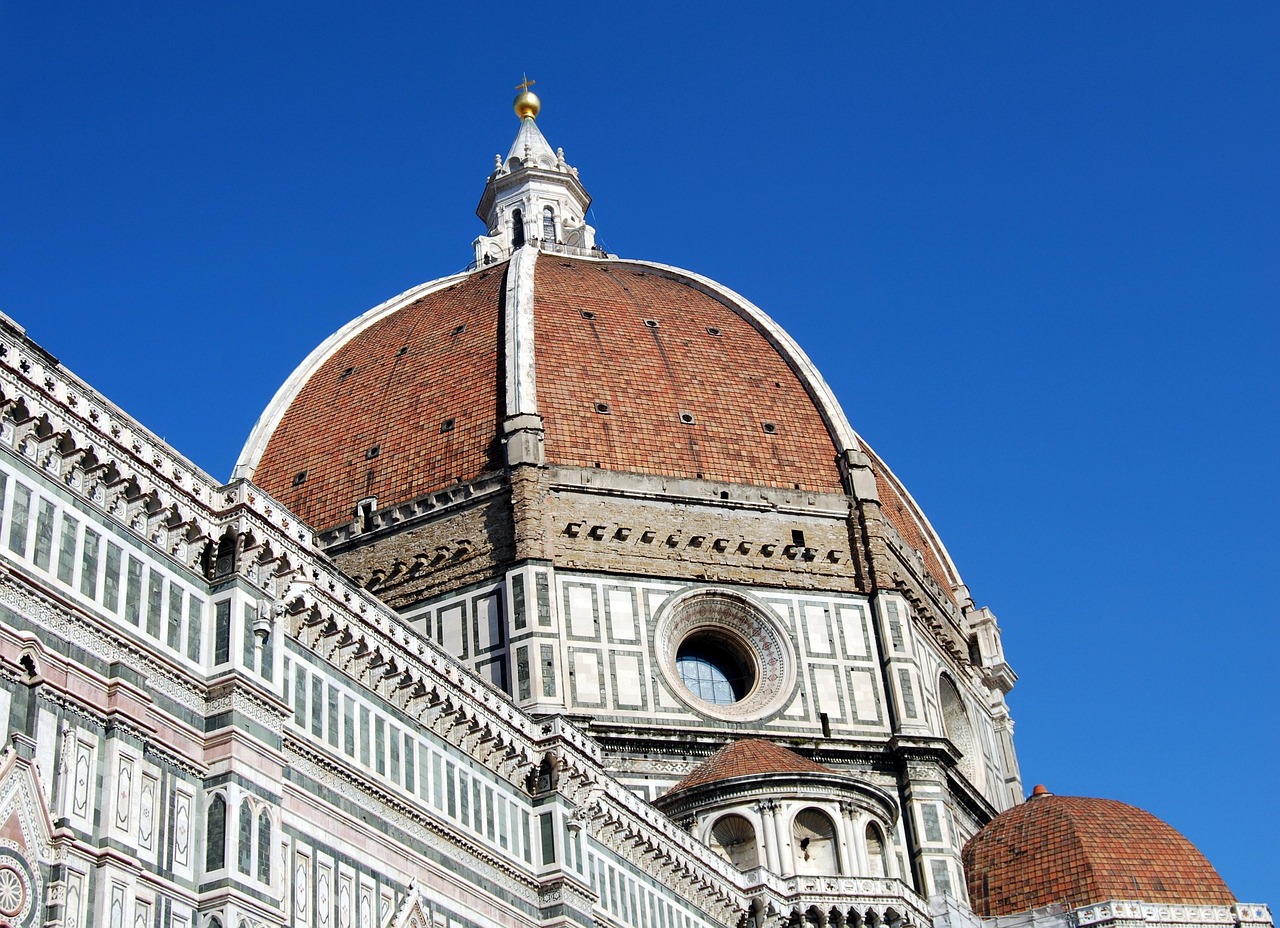
Brunelleschi’s triumph over the Duomo’s immense challenge hinged upon an implicit understanding of fundamental structural principles. The core problem was the sheer scale: a span of over 42 meters (140 feet) at its base, requiring a dome that would not collapse under its own colossal weight. Prior Roman domes, like the Pantheon, relied on massive concrete pours and intricate centring (wooden scaffolds) built from the ground up. Such a structure was impossible for Florence due to material constraints, cost, and the sheer height of the octagonal drum. Brunelleschi effectively applied principles of static equilibrium and force distribution. He recognized that a dome, unlike an arch, experiences complex hoop stresses, pushing outwards at its base, and compressive forces directed downwards towards its foundations. His stroke of genius was the double-shell design: an inner structural dome that bore the primary load and an outer, lighter dome that provided weather protection and aesthetic grandeur. This dual structure allowed for a significant reduction in overall weight while providing inherent stability.
Crucially, he understood the concept of a self-supporting structure during construction. Instead of continuous centring, he envisioned a system where each course of bricks, once laid, would lock into place and support the next, progressively closing the gap. This required a profound intuition for how forces would travel through the structure as it grew. The herringbone brick pattern (known as spinapesce) was central to this, acting like a series of embedded arches and counter-arches that redirected vertical loads inwards and locked horizontal courses together, preventing slippage and allowing the dome to stand without continuous support from below. This innovative bricklaying technique effectively internalized the structural logic that flying buttresses provided externally for Gothic cathedrals, making the Duomo a true marvel of integrated structural engineering.
Methods & Experiments
Brunelleschi's methodology was a masterclass in Renaissance engineering, combining practical experience with an iterative, experimental approach. Lacking advanced mathematics for stress analysis, he relied heavily on scale models and empirical observation. He constructed intricate wooden and brick models, some large enough for workers to climb inside, to test various structural hypotheses and demonstrate his concepts to skeptical patrons and rival architects. These models served as a form of analog computation, allowing him to visualize force distribution and structural behavior without abstract formulas.
His most significant innovation was the absence of a massive internal centering. Instead, he devised a sophisticated system of temporary wooden ribbing and scaffolding that grew with the dome, supported by the structure itself. This scaffolding was not load-bearing in the traditional sense but provided platforms for workers and guides for the curvature. The spinapesce or herringbone pattern of brickwork was not merely decorative; it was a crucial structural element. By alternating horizontal courses with vertically oriented bricks, Brunelleschi created a system of interlocking segments that resisted horizontal thrust and prevented the dome from splaying outwards during construction. These vertical bricks acted like tension ties within the masonry, essentially creating internal "arches" that allowed each section to be self-supporting as it was built.
Beyond the dome itself, Brunelleschi revolutionized construction logistics. He invented specialized hoisting machinery, including ox-powered reversible hoists and a unique three-speed gear system, to lift heavy materials hundreds of feet into the air with unprecedented efficiency. These mechanical innovations were critical to the rapid pace of construction and showcased his multifaceted engineering brilliance, extending beyond pure architectural design to the practicalities of execution. His ingenious lifting mechanisms were themselves marvels of applied mechanics, transforming the workflow on such a monumental site.
Data & Results
The most compelling "data" from Brunelleschi's project is the physical reality of the Florence Dome itself, standing steadfast for nearly six centuries. With an inner diameter of 45.5 meters (149 feet) and an outer diameter of 54.8 meters (180 feet) at its widest point, it remains the largest masonry dome ever built. The estimated weight of the dome is around 37,000 metric tons (over 80 million pounds). The structural integrity achieved through the double-shell design and the herringbone brickwork has proven remarkably resilient. While there have been minor cracks and displacements over the centuries, meticulously monitored and repaired, the fundamental stability of Brunelleschi’s design has held.
The success of the project was not merely structural but also temporal and economic. Completed in 1436, the dome took approximately 16 years of intensive labor. The innovative construction methods significantly reduced the cost and time that a traditional centering method would have demanded. The final result was a dome of unparalleled elegance and monumental scale, becoming an iconic symbol of Florence’s wealth, power, and cultural prowess during the Renaissance. It demonstrated that seemingly impossible engineering feats could be achieved through a blend of audacious vision, empirical experimentation, and an intuitive grasp of structural mechanics – a practical "computational geometry" applied to a grand scale.
Applications & Innovations
Brunelleschi's innovations at the Duomo extended far beyond the immediate context of cathedral construction. His approach marked a paradigm shift in engineering, moving from purely empirical craft traditions towards a more analytical and scientific methodology. The concept of the self-supporting dome, built without full centring, influenced later dome designs, though none quite replicated the specific challenges or ingenious solutions of Florence. His development of advanced lifting machinery demonstrated the potential for mechanical engineering to solve large-scale construction problems, paving the way for future industrial innovations.
More broadly, Brunelleschi's meticulous planning, use of scale models, and systematic problem-solving foreshadowed modern project management and engineering design processes. He fostered a culture where practical construction merged with theoretical understanding, a hallmark of the burgeoning scientific revolution. His understanding of perspective, developed concurrently, also revolutionized art and architecture, offering tools for precise representation and design that profoundly impacted the visual language of the Renaissance. The Duomo became a tangible expression of human mastery over material and form, inspiring generations of architects, engineers, and artists.
Key Figures
At the heart of this colossal undertaking was Filippo Brunelleschi (1377–1446), a goldsmith by trade who became one of the foremost architects and engineers of the early Renaissance. His genius was multifaceted, encompassing art, mathematics, and mechanical invention. He famously won the competition for the dome's design in 1418, outmaneuvering other prominent figures like Lorenzo Ghiberti (1378–1455), who was initially appointed co-superintendent but eventually sidelined as Brunelleschi's vision proved dominant. The Opera del Duomo, the governing body responsible for the cathedral's construction, played a critical role in commissioning and overseeing the project, providing the resources and political will necessary for its completion. This patronage system allowed Brunelleschi the autonomy and support needed to execute his revolutionary plans.
Ethical & Societal Impact
The construction of the Florence Dome was an endeavor with profound ethical and societal implications. It symbolized Florentine identity, civic pride, and economic power, demonstrating the republic's ability to command vast resources and skilled labor. The project provided employment for thousands of workers – stonemasons, carpenters, bricklayers, laborers – for decades, significantly impacting the local economy. However, it also came at a human cost, with dangerous working conditions and the inherent risks of such large-scale construction. Brunelleschi himself was known for his demanding nature and fierce protection of his intellectual property, sometimes to the point of secrecy, reflecting the competitive nature of Renaissance craftsmanship and patronage. The dome stands as a testament to human ambition and collective effort, but also to the power dynamics and social structures of its time. Its aesthetic and monumental presence continues to shape Florence's cultural landscape and tourist economy, reinforcing its enduring role as a global icon.
Current Challenges
Despite its centuries-long endurance, the Florence Dome faces ongoing challenges. The primary concern is preservation. Over time, factors such as earthquakes, weathering, and internal stresses have caused micro-fissures and settling, requiring continuous monitoring and careful restoration efforts. Understanding the precise details of Brunelleschi's construction methods, particularly the internal geometry of the herringbone pattern and the exact composition of the mortar, remains an area of active research. Modern material science and structural analysis techniques are employed to diagnose issues and propose non-invasive solutions. The delicate balance between preserving the historical integrity of the structure and ensuring its long-term stability for future generations is a constant challenge, requiring interdisciplinary expertise.
Future Directions
The study of Brunelleschi's Dome continues to evolve with technological advancements. Future directions involve leveraging advanced computational modeling and simulation to gain deeper insights into its structural behavior. Laser scanning, photogrammetry, and drone technology are creating highly accurate digital twins of the dome, allowing researchers to analyze its geometry, material degradation, and structural movements with unprecedented precision. These digital models can be used for "reverse engineering" Brunelleschi's intuitive computational geometry, simulating construction sequences, and testing hypothetical scenarios that were impossible in the past. Virtual reality and augmented reality applications could offer immersive experiences for architectural historians and the public, allowing them to "walk through" the dome's construction in real-time. This blend of historical inquiry with cutting-edge technology promises to unlock further secrets of this engineering marvel, ensuring its legacy inspires new generations of builders and innovators.
Conclusion
Brunelleschi's Dome is more than just a magnificent edifice; it is a profound testament to human ingenuity at the dawn of the scientific era. It stands as a physical manifestation of an intuitive, empirically driven "computational geometry," where complex structural problems were solved through observation, experimentation, and audacious mechanical innovation. From its double-shell design to the revolutionary herringbone brickwork and ingenious lifting machines, every aspect of its construction speaks to a mind that pushed the boundaries of what was thought possible. The Duomo is not merely a monument to Renaissance art but an enduring symbol of scientific inquiry, engineering prowess, and the timeless human drive to build the impossible. Its legacy continues to echo in modern construction, reminding us that the greatest innovations often arise from a deep understanding of fundamental principles, coupled with fearless creativity.