The Unfinished Giant: Florence's Architectural Dilemma
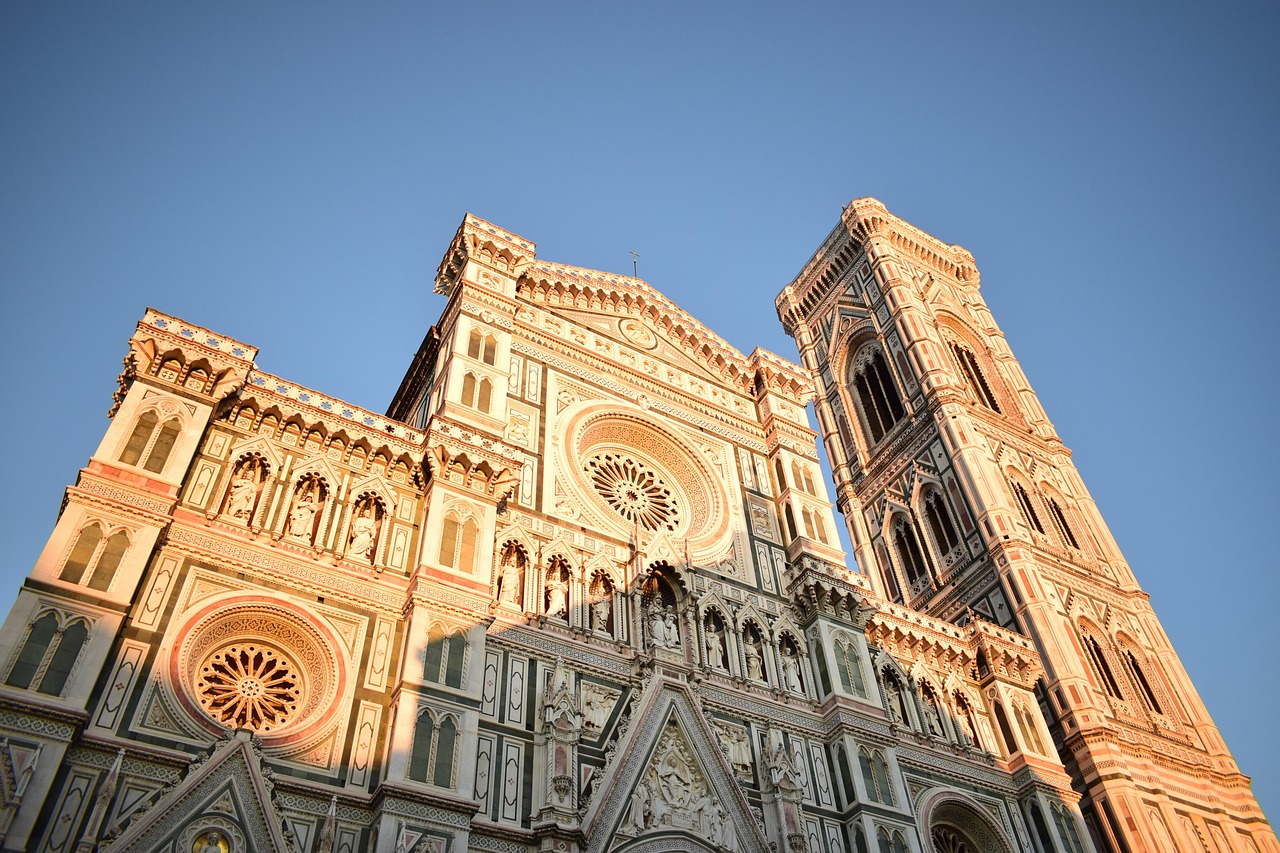
In the early 15th century, the city of Florence stood at the precipice of a new age, a burgeoning center of art, commerce, and humanism. Yet, its most ambitious architectural project, the Cathedral of Santa Maria del Fiore, remained conspicuously unfinished. For decades, a gaping octagonal hole, nearly 45 meters (147 feet) in diameter, crowned the immense structure. This void was not merely an aesthetic flaw; it was a profound technical challenge that baffled the era's most brilliant minds. No existing building technique or material could span such a vast space without the aid of massive wooden centering – a scaffold so large and costly that it was deemed impossible to construct, let alone support.

Filippo Brunelleschi: The Goldsmith Turned Architect
Into this seemingly insurmountable problem stepped Filippo Brunelleschi, a master goldsmith with a keen interest in mechanics, mathematics, and ancient Roman architecture. Initially dismissed as a madman by many of his contemporaries, Brunelleschi possessed a unique blend of practical ingenuity and theoretical understanding. He had studied the ruins of Rome, meticulously measuring and sketching ancient domes and arches, absorbing the forgotten wisdom of antiquity. His vision for the Duomo was not merely to cap the cathedral but to create a structure that would embody the innovative spirit of the nascent Renaissance.
A Double-Shell Revolution
Brunelleschi's most radical departure from conventional wisdom was his proposal for a double-shell dome. Instead of a single, massive dome requiring immense internal support, he envisioned two concentric domes: a lighter inner shell and a stronger, heavier outer shell. This design distributed the weight more effectively and allowed for internal access and maintenance. The space between the shells would also reduce the overall weight and provide structural rigidity.
Ingenious Construction Techniques
The Herringbone Pattern and Self-Supporting Structure
The true genius of Brunelleschi lay in his ability to devise a construction method that required no temporary wooden centering. He achieved this through several groundbreaking innovations:
- Herringbone Brickwork: Instead of laying bricks purely horizontally, Brunelleschi incorporated a herringbone pattern (spina di pesce). This technique locked the bricks together vertically, preventing them from sliding inwards as the dome rose, effectively making each course self-supporting.
- Horizontal Stone Chains: At various levels, massive stone and timber chains were embedded within the dome, acting like hoops to counteract the outward thrust, similar to the iron bands on a barrel.
- Gradual Curvature: The dome was designed with a pointed arch profile, which inherently generates less outward thrust than a semicircular dome. The curvature was carefully controlled as the dome rose, guided by a system of ropes and measuring devices radiating from a central point.
Brunelleschi's Machines: Powering the Renaissance
To lift the enormous quantities of stone, brick, and timber to unprecedented heights, Brunelleschi invented a series of revolutionary hoisting machines. His most famous contraptions included:
- The Castello: A three-speed hoist capable of lifting heavy loads and reversing direction without unhitching the oxen.
- The Gattaiola (Catapult): A smaller, more agile hoist used for precise positioning of materials.
These machines were marvels of mechanical engineering, demonstrating Brunelleschi's profound understanding of gears, levers, and counterweights. They significantly improved efficiency and safety, allowing construction to proceed at a steady pace.
A Symbol of Florentine Ambition and Renaissance Spirit
The construction of Brunelleschi's Dome spanned 16 years (1420-1436), a testament to the perseverance and skill of the Florentine people and their visionary architect. Upon its completion, it was the largest dome ever built, a record it held for centuries. More than just a magnificent architectural achievement, the Duomo became a powerful symbol of Florence's wealth, ingenuity, and cultural ascendancy. It embodied the Renaissance spirit of human potential, rational inquiry, and the revival of classical knowledge combined with innovative modern solutions.
Brunelleschi's Dome not only redefined what was possible in architecture but also laid foundational principles for future engineering and construction. It stands today as a timeless monument to human ambition, a beacon of the Florentine Renaissance that continues to inspire awe and wonder.