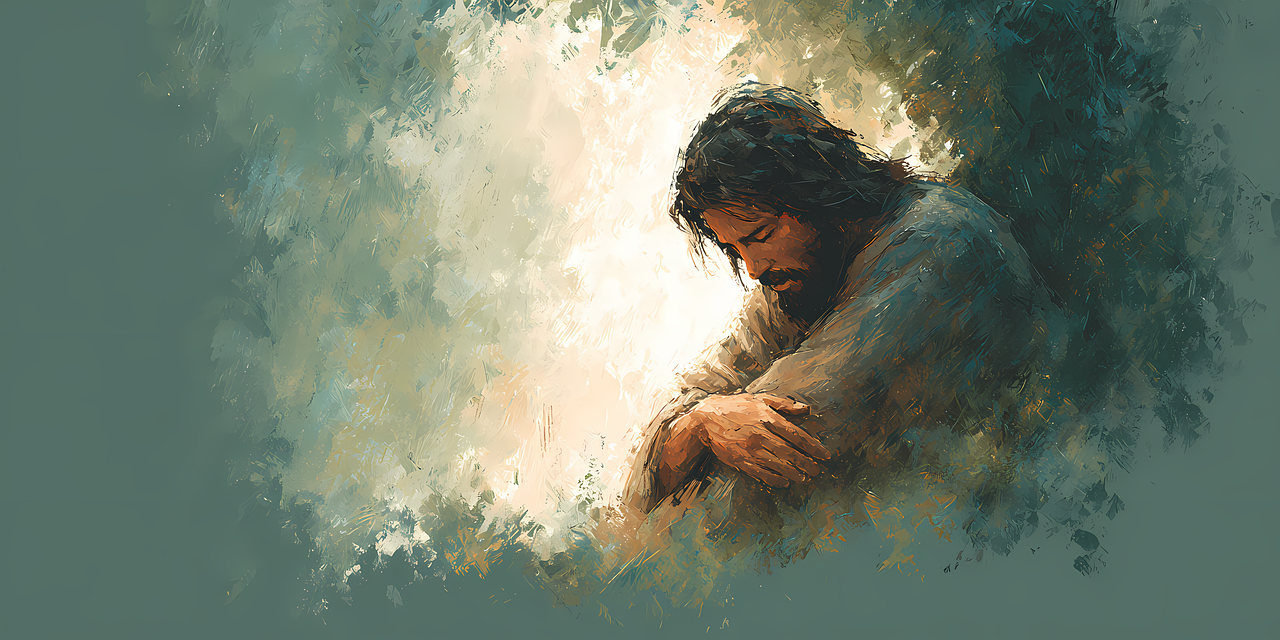
Throughout history, symbols have served as powerful visual and conceptual anchors within various spiritual traditions. They encapsulate complex beliefs, evoke collective memory, and facilitate communal identity. In contemporary practices, symbols continue to adapt, reflecting changing cultural landscapes while maintaining their core spiritual meanings.

Background
Religious symbolism has been a cornerstone of faith traditions since antiquity, serving as a bridge between the tangible and intangible aspects of spirituality. Symbols—be they visual, auditory, or embodied—operate as powerful tools that convey complex theological concepts, ethical principles, and communal identities. Throughout history, rituals infused with symbolism have reinforced shared beliefs, reinforced social cohesion, and facilitated spiritual experiences.
In the modern era, however, the role and perception of religious symbols are undergoing significant transformation. Factors such as globalization, technological advances, societal secularization, and intercultural exchanges challenge traditional notions, prompting reinterpretations and novel applications of symbolism within faith practices.
Geography
The geographical context greatly influences how religious symbolism manifests. In regions with strong historical ties to specific faiths, traditional symbols often dominate local practices—such as the Islamic crescent, Christian cross, or Hindu Om. Contrastingly, in multicultural societies, symbols sometimes blend or evolve, creating hybrid or syncretic expressions of faith.
Examples include the adaptation of Christian symbols in Latin America, indigenous motifs incorporated into new religious movements, or the resurgence of ancient symbols in spiritual revivalist communities across Europe and North America. Geography also impacts access and visibility, with urban centers often serving as melting pots for diverse symbols and practices, fostering a dynamic landscape of religious expression.
Society & Culture
Within societal contexts, religious symbols act as markers of identity, grounding individuals in shared values amidst pluralistic environments. They forge a sense of belonging and serve as symbols of cultural heritage, often intertwined with national or ethnic identity.
Contemporary cultural shifts influence the way symbols are employed. The commodification of religious symbols—seen in fashion, branding, and entertainment—raises debates about commercialization and authenticity. Furthermore, new generations may reinterpret or distance themselves from traditional symbols, favoring minimalist, abstract, or personalized expressions of spirituality.
Rituals and Personal Expression
Modern rituals often incorporate symbols in innovative ways—such as virtual commemorations or bio-rituals—highlighting adaptability. Personal spiritual practices may involve symbolic objects like jewelry, tattoos, or digital avatars, reflecting individual faith journeys.
Economy & Trade
The economy influences how religious symbols are produced, marketed, and consumed. Sacred art, jewelry, attire, and souvenirs generate significant markets, especially when international demand for spiritual goods rises.
Trade fairs, online marketplaces, and artisanal enterprises facilitate the dissemination of symbols across borders. However, commercialization sometimes leads to cultural appropriation or dilution of original meanings, igniting ethical debates within faith communities.

Military & Technology
Symbols have historically played roles in rallying troops, representing divine mandates, or signifying allegiance. In modern contexts, military emblems interconnect with religious symbols, affecting identities and loyalties.
Technological advancements have revolutionized the dissemination and visualization of symbols. Augmented reality (AR), virtual reality (VR), and social media enable religious communities to project symbols globally—creating virtual sacred spaces or interactive rituals that transcend physical limitations.
Governance & Law
Legal frameworks and policies impact the use and protection of religious symbols. Freedom of religion laws often safeguard symbolic expressions, while regulations may restrict certain uses deemed provocative or offensive.
Controversies over the display of symbols in public institutions, workplace attire, or military settings exemplify ongoing tensions where religious symbolism intersects with secular governance and societal norms.
Archaeology & Sources
Archaeological discoveries continue to illuminate the origins and evolutions of religious symbols, shedding light on early ritualistic practices. Artifacts such as religious icons, inscriptions, and ritual objects provide insight into ancient spiritual life, influencing contemporary interpretations.
Sources like ancient manuscripts, iconography, and ethnographic studies serve as vital references for understanding how symbolism has historically been intertwined with faith practices.
Timeline
- Prehistoric Era: Early symbolic markings and ritual objects emerge in archaeological record.
- Ancient Civilizations: Development of complex symbols—e.g., Egyptian hieroglyphs, Mesopotamian iconography.
- Classical Period: Formalization of religious symbols in Greek, Roman, Hindu, and Buddhist traditions.
- Medieval Era: Reinforcement of symbols through cathedral art, illuminated manuscripts, and religious relics.
- 19th-20th Century: Rise of spiritual movements, revivalism, and reinterpretations of old symbols.
- Contemporary Era: Digital representation, globalized exchange, and personalization of symbols in diverse faith contexts.
Debates & Controversies
Debates surrounding religious symbolism often focus on issues such as cultural appropriation, secularization, and the commercialization of sacred objects. Questions arise about authenticity versus innovation, and the boundaries of acceptable usage in diverse societal settings.
Controversies also stem from the clash of symbols with secular laws—such as bans on religious attire or symbols in public schools or government spaces—and from conflicts over sacred sites contaminated by commercial or political interests.
Conclusion
The role of symbolism in modern religious practices is both dynamic and complex, reflecting an ongoing dialogue between tradition and innovation. As faith communities navigate globalization, technological shifts, and social change, symbols serve as vital anchors and creative expressions of spiritual identity. Understanding this evolution deepens appreciation for how rituals continue to shape human experience in an ever-changing world, ensuring that the language of symbols remains a foundational element of faith across generations.