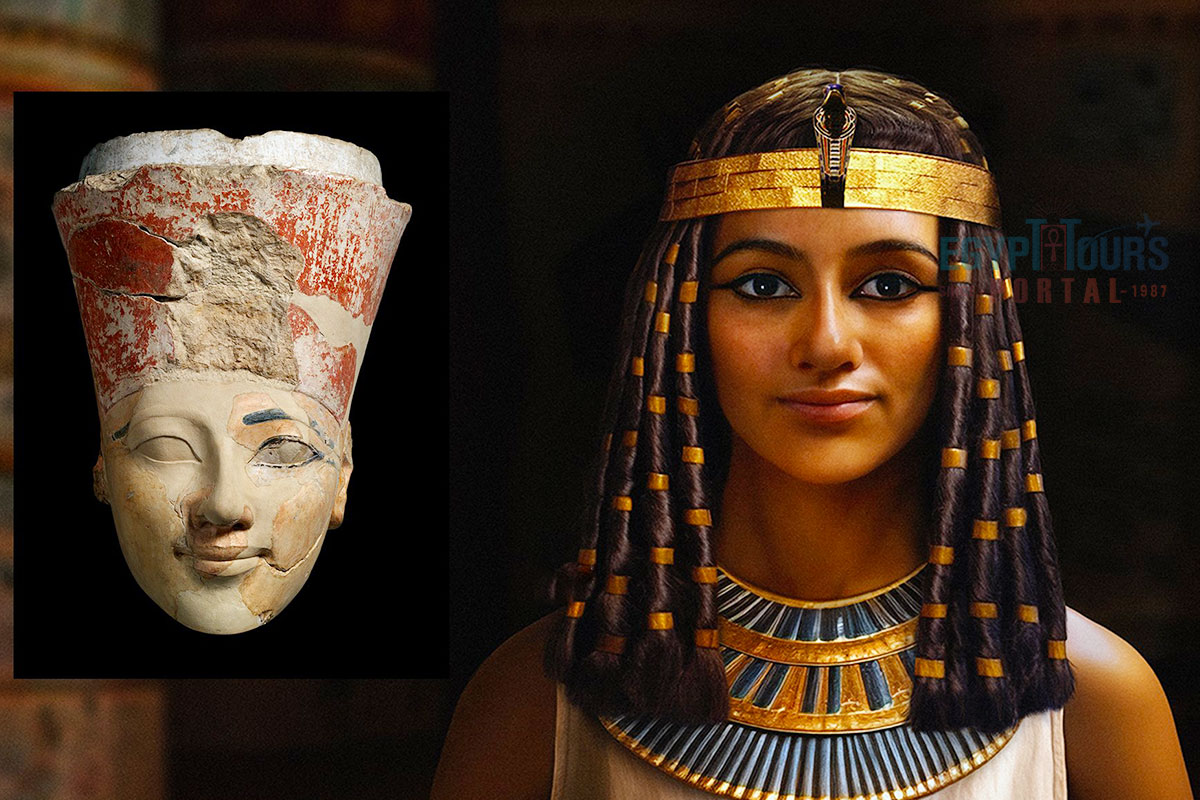
Hatshepsut reigned as one of Egypt’s most influential and enigmatic pharaohs during the New Kingdom period, approximately from 1479 to 1458 BCE. Her ascent to power challenged the conventional gender roles of ancient Egypt, where queens and female rulers were rare and often subordinate. Yet, Hatshepsut’s leadership was marked by strategic brilliance, innovative construction projects, and a legacy that would echo through millennia.
Background
Hatshepsut, whose name means "Foremost of Noble Ladies," ascended to the throne during the 18th Dynasty of Ancient Egypt around 1479 BCE. Her rise to power as a female pharaoh was extraordinary in a deeply patriarchal society, yet her reign was marked by stability, prosperity, and innovative architectural achievements. She initially served as regent for her stepson Tuthmosis III, but ultimately declared herself Pharaoh, a move that signifies a complex interplay of gender, authority, and tradition in ancient Egyptian politics.
Geography
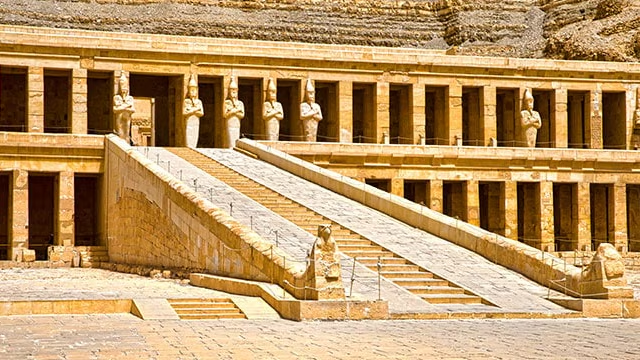
The core of Hatshepsut's influence was centered in Thebes, now modern-day Luxor, where her mortuary temple stands as a testament to her reign. Thebes was a religious and political hub, situated along the Nile River, facilitating trade, culture, and military logistics. Her extensive construction projects stretched along Egypt's Nile Valley, integrating the sacred landscape with her political narrative, and cementing her presence across the kingdom.
Society & Culture
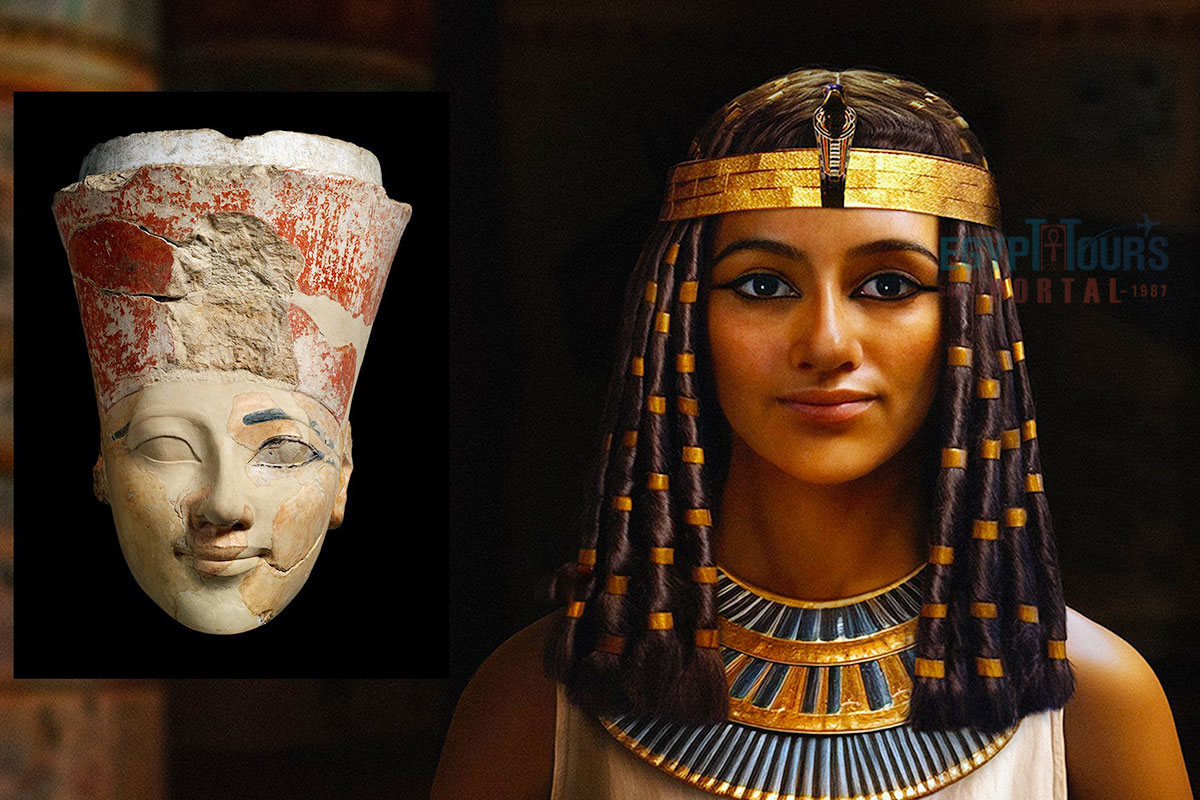
Ancient Egyptian society was intricately structured, with a divine king at the apex, considered a god on earth. Women could hold significant roles in religion and administration, although it was rare for women to ascend to the throne. Hatshepsut’s legitimacy was reinforced through her divine right, divine childbirth concepts, and her carefully crafted image as both a woman and a divine ruler. Her portrayal in statues and reliefs often emphasizes her divine status and adherence to traditional Egyptian religious values.
Economy & Trade
The reign of Hatshepsut was marked by an expansion of Egypt’s trade networks, notably her famous expedition to Punt, a region in the Horn of Africa. This mission brought wealth in exotic goods such as myrrh, frankincense, gold, and exotic animals, fueling both the economy and her grand architectural projects. Her economic policies fostered stability and increased the reach of Egypt’s influence beyond its natural borders, contributing significantly to her legacy.
Military & Technology
Unlike her predecessors and successors, Hatshepsut's rule was less militarily expansionist, instead emphasizing trade and internal stability. However, she maintained a capable military force to protect Egypt’s borders and trade routes. Egyptian technological advances during her reign included refined construction techniques, improved quarrying methods, and innovations in shipbuilding that facilitated her maritime expeditions.
Governance & Law
Hatshepsut’s governance was characterized by a stable bureaucracy, with her appointed officials overseeing various aspects of administration, finance, and religious duties. Her legitimacy was reinforced through religious syncretism, public ceremonies, and monumental inscriptions. She subtly incorporated traditional Egyptian religious and legal principles, while also leaving her mark through coins and legal decrees that emphasized stability, divine right, and prosperity.
Archaeology & Sources
The primary sources of Hatshepsut’s reign include inscriptions, temple reliefs, statues, and her mortuary temple, Deir el-Bahri. The temple is a masterpiece of Egyptian architecture, depicting her divine authority and accomplishments. Archaeological discoveries, including fragments of her inscriptions and artifacts, have illuminated her life and rulership, although some efforts to erase her from the historical record—possibly by her successor, Tuthmosis III—add complexity to her legacy.
Notable excavations include:
- The Temple of Hatshepsut at Deir el-Bahri
- Her stepped Bab el-Gasus tomb cache
- Recent discoveries of her statues and reliefs in situ
Timeline
- c. 1507 BCE – Hatshepsut is born into the Egyptian royal family
- c. 1492 BCE – Becomes regent for Tuthmosis III after her father’s death
- c. 1479 BCE – Declares herself Pharaoh, beginning her reign
- Early 1460s BCE – Initiates major construction projects, including her mortuary temple and associated structures
- 1458–1452 BCE – Her trade expedition to Punt reaches its zenith
- c. 1458 BCE – Tuthmosis III begins his reign after her death, with some attempts to diminish her legacy
- Post-1450 BCE – Her monuments are increasingly defaced or vandalized, possibly under Tuthmosis III's orders
Debates & Controversies
Scholars have long debated the true nature of Hatshepsut’s reign. Was she a pragmatic ruler seeking stability, or did she intentionally craft an image of divinity to consolidate power? Some argue her self-promotion was a strategic necessity to legitimize her authority as a woman in a predominantly male political environment. Others question the extent to which her rule was truly autonomous, suggesting that her advisors and religious institutions played significant roles in her governance. Additionally, her erasure from the records—perhaps by her throne successor—reflects ongoing debates about gender, power, and historical memory in ancient Egypt.
Conclusion
Hatshepsut remains a figure of intrigue and admiration—an emblem of silent yet formidable power in ancient Egypt. Her ability to maintain stability, forge economic riches through trade, and leave a lasting architectural legacy amidst a society that often prioritized male dominance exemplifies her exceptional leadership. Her story is a testament to the complex dynamics of gender, authority, and cultural identity in ancient civilizations, ensuring her place in history as one of the most influential and enigmatic female leaders of antiquity.