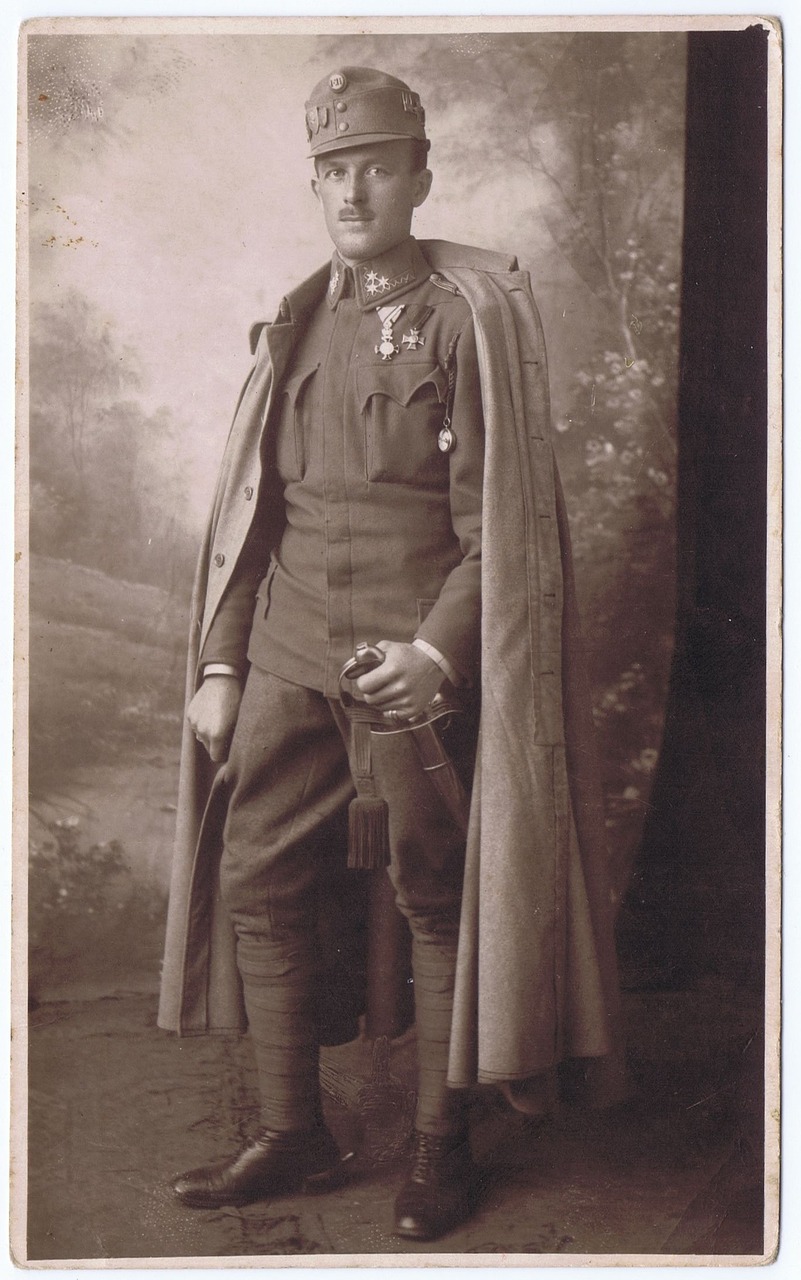
The Battle of Stalingrad, fought from August 23, 1942, to February 2, 1943, marks a turning point in World War II and, more profoundly, in the collective consciousness of the Soviet Union. This brutal confrontation not only halted the Nazi advance into the heart of the Soviet territory but also became a symbol of resilience, sacrifice, and unwavering patriotism that redefined Soviet national identity for generations.
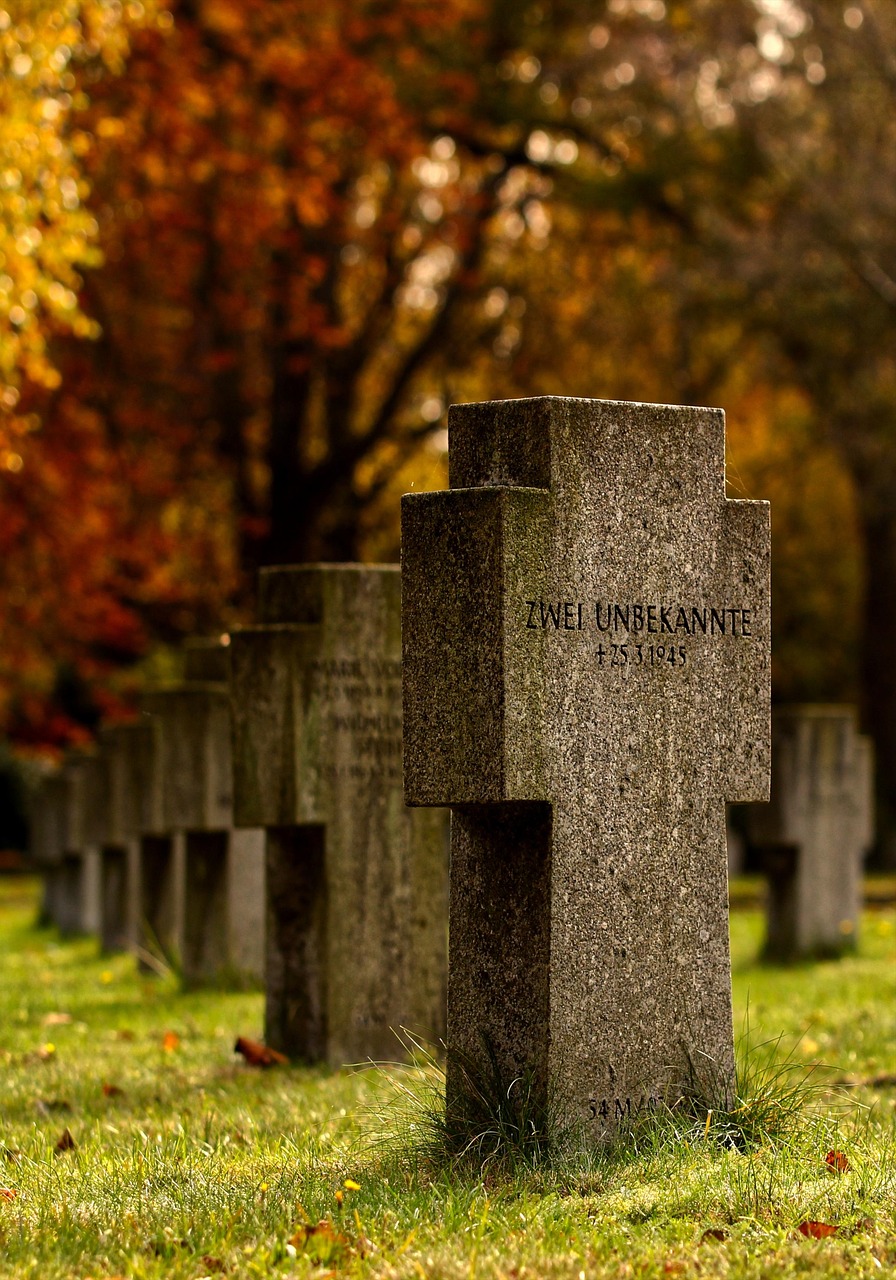
Background
The Battle of Stalingrad, fought from August 23, 1942, to February 2, 1943, remains one of the deadliest and most symbolic confrontations in the history of World War II. It marked a decisive turning point on the Eastern Front, halting the German advance into the Soviet Union and initiating a relentless Soviet counteroffensive. The strategic importance of Stalingrad was underscored by its location on the Volga River, a vital artery for logistics, transportation, and communication within the Soviet Union.
Geography
Stalingrad’s geography contributed significantly to the battle’s intensity. Situated along the voluminous and heavily industrialized Volga River, the city’s terrain featured a mixture of industrial zones, residential neighborhoods, and riverfronts, which created a complex urban battlefield. The proximity of natural features such as the ridge lines and marshlands made maneuvering difficult, turning the city into a labyrinth that favored staunch defenders. The geographical importance was not merely military but symbolic, representing the heartland of Soviet industrial capacity and resilience.
Society & Culture
The battle profoundly impacted Soviet society and culture, fostering a sense of collective purpose. Propaganda emphasized themes of sacrifice, heroism, and defending the motherland, which permeated everyday life. The fighters and civilians alike were mobilized into a relentless war effort, cementing an identity rooted in patriotism and resilience. Literature, art, and film during this period centered on heroism and sacrifice, reinforcing the narrative of a united Soviet front against fascist aggression.
Economy & Trade
Stalingrad’s strategic significance extended to the Soviet economy, as its industrial facilities played a critical role in wartime production. Factories in the city produced tanks, airplanes, and weapons essential to the Soviet war effort. The city’s ability to adapt and continue production despite intense bombardment became a symbol of Soviet resilience. Post-battle, the rebuilding process further galvanized the collective identity tied to economic self-sufficiency and patriotism, fueling efforts to revitalize war-torn regions and maintain industrial output.
Military & Technology
The battle showcased innovation and ferocity in military tactics and technology. The Red Army employed strategic encirclement, urban warfare tactics, and relentless counterattacks. The use of Soviet-made tanks such as the T-34 and innovative artillery tactics played crucial roles. The German Wehrmacht faced logistical nightmares, compounded by Soviet countermeasures like scorched earth policies and guerrilla warfare. The battle’s technological and tactical lessons contributed substantially to Soviet military doctrine, emphasizing the importance of resilience, innovation, and patriotism in warfare.

Governance & Law
Within the Soviet Union, the victory at Stalingrad reinforced the authority of the Communist Party and elevated Joseph Stalin’s leadership. The state harnessed the victory to bolster ideological unity and consolidate power. Propaganda positioned the battle as a testament to the efficacy of Soviet governance, emphasizing the unity between the Party, the military, and civilians. Legal measures and mobilization policies facilitated strict discipline, resource allocation, and the total war effort that became integral to Soviet governance during this period.
Archaeology & Sources
Archaeological excavations in and around Stalingrad have unearthed weapons, personal belongings, and structural remnants that illuminate the battle’s brutal reality. Primary sources such as battlefield reports, survivor testimonies, and Soviet propaganda materials provide invaluable insights into how the event was constructed and remembered. Historiography continues to evolve, with modern scholars analyzing these sources to understand how victory was mythologized to forge a resilient national identity.
Timeline
- August 23, 1942: German forces launch Operation Blue to capture Stalingrad.
- September 14, 1942: Intense urban combat begins as Soviet defenders establish a fierce hold on the city.
- November 19, 1942: Soviet Operation Uranus encircles the German Sixth Army.
- January 10, 1943: Encircled German forces face starvation and brutal winter conditions.
- February 2, 1943: German surrender is officially announced, marking a turning point.
Debates & Controversies
Debates persist regarding the *strategic necessity* of Stalingrad, the human cost, and the political use of victory in Soviet propaganda. Some scholars argue that the battle’s mythologization served to bolster Stalin’s authority, glossing over the massive loss of life and tactical mistakes. Others highlight the controversial civilian casualties and the destruction wrought upon the city. The battle’s portrayal as a patriotic sacrifice continues to be scrutinized within different historical and cultural contexts.
Conclusion
The Battle of Stalingrad was more than a military engagement; it was a crucible that forged a new Soviet identity rooted in patriotism, resilience, and ideological unity. Its legacy endures today as a symbol of endurance in the face of overwhelming adversity and as a testament to how war can redefine a nation’s collective consciousness. Analyzing its multifaceted impacts reveals the profound ways in which a single battle can reshape history, society, and a nation’s sense of self.