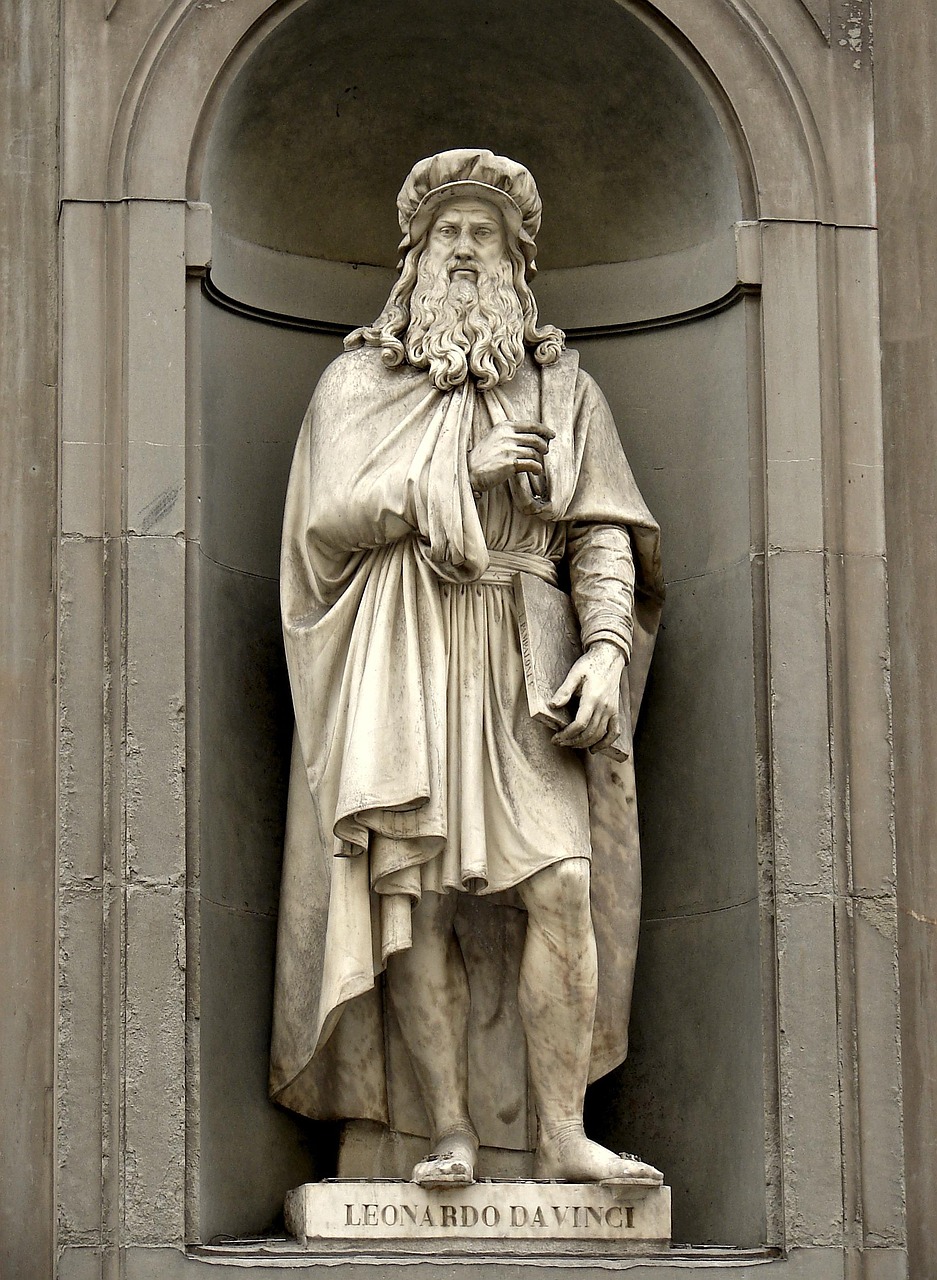
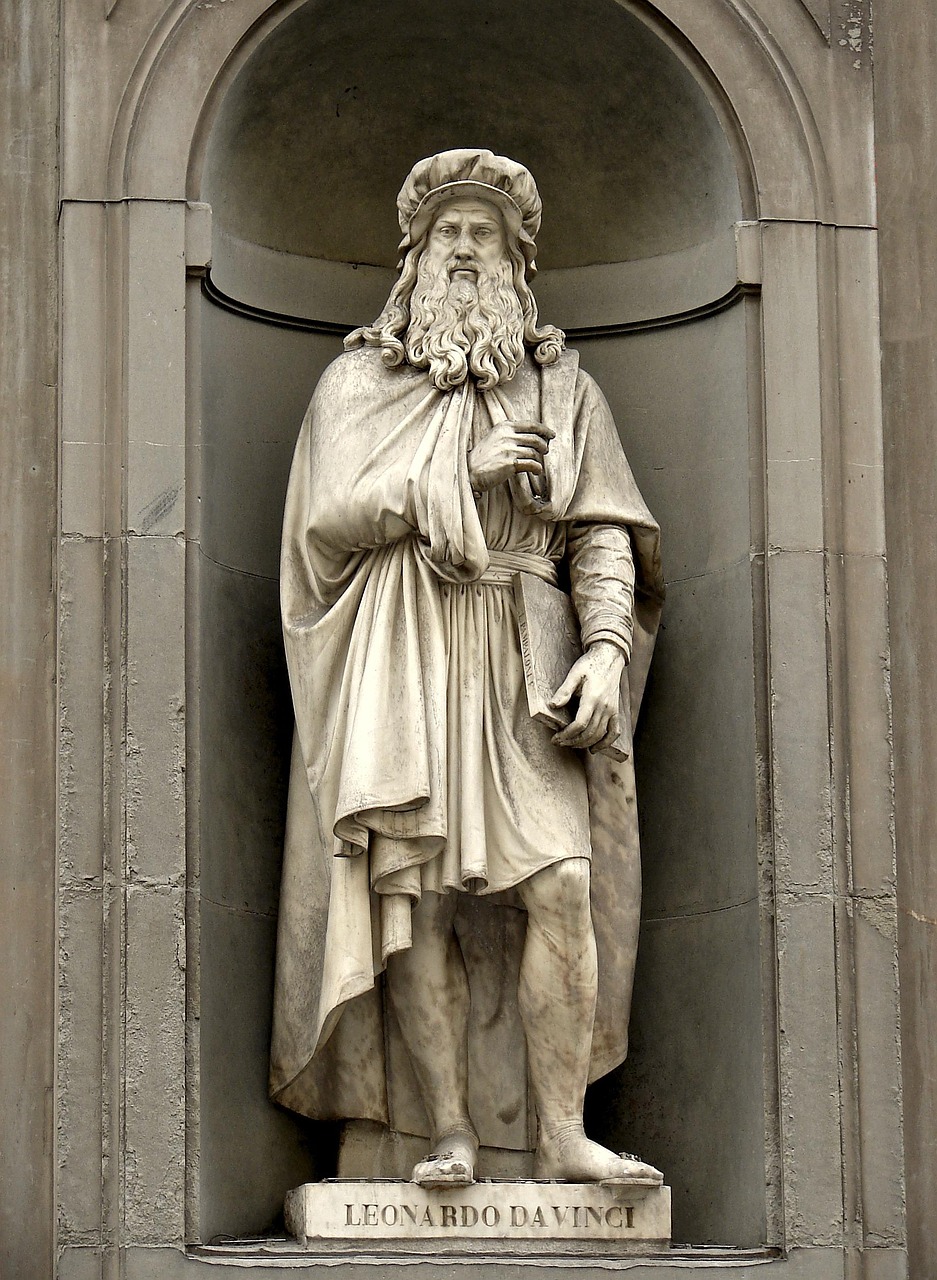
Leonardo da Vinci (1452–1519), a towering figure of the Renaissance, is renowned for his masterful paintings like the Mona Lisa and The Last Supper. Yet, beyond his artistic genius, da Vinci’s insatiable curiosity extended deeply into the realms of anatomy and science. His anatomical drawings represent a symbiosis of art and rigorous scientific inquiry, capturing the intricate details of the human body with unprecedented accuracy.
Background
Leonardo da Vinci (1452–1519) remains one of history’s most iconic figures, renowned not only for his artistic mastery but also for his extraordinary scientific curiosity. Among his myriad pursuits, his detailed anatomical drawings stand as a testament to his relentless quest to understand the human body. During a time when medical knowledge was often based on superstition, Aristotle, Galen, and other ancients dominated Western understandings of anatomy. Da Vinci’s work, therefore, marked a revolutionary departure by combining meticulous observation with artistic skill, providing unprecedented insights into human structure.
Historical Context and Birth of Anatomical Inquiry
The Renaissance era, characterized by a revival of classical knowledge and a renewed emphasis on empirical observation, created fertile ground for innovation. In the 15th and early 16th centuries, the rediscovery of ancient texts intersected with Da Vinci’s own explorations. His anatomical studies coincided with a broader shift from reliance on classical authorities to direct observation and experimentation. This shift was pivotal in transitioning medicine from dogma to a science based on evidence.
Geography
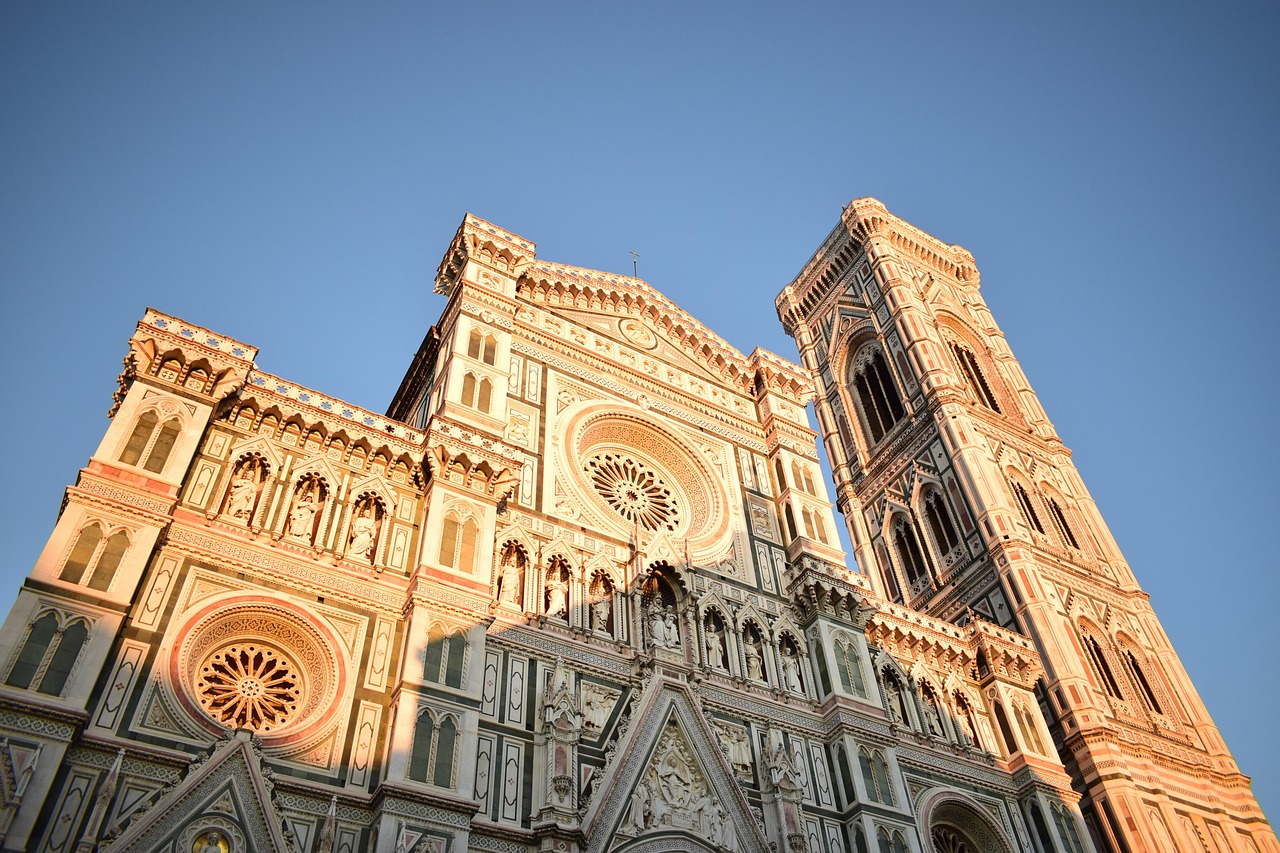
Leonardo’s investigations occurred predominantly in Italy, specifically within Florence and Milan—centers of Renaissance art, culture, and scientific inquiry. These regional hubs fostered an environment where interdisciplinary work flourished, allowing Leonardo to merge anatomy, engineering, and art seamlessly. His travels across Italy also afforded access to anatomical specimens and the collaboration with anatomists and physicians of the period.
Society & Culture
The societal attitudes toward dissection and anatomical study during the Renaissance were complex. The Church’s influence often constrained human dissection, viewed warily or outright banned in certain regions. Nonetheless, Leonardo’s clandestine dissections and anatomical sketches demonstrated a daring challenge to orthodox views. His work gained respect among scholars, gradually shifting societal perspectives toward acceptance of direct anatomical investigation as a scientific imperative.
Economy & Trade
The economic backdrop of Renaissance Italy bolstered arts and sciences through the patronage of wealthy merchants, guilds, and aristocrats. Leonardo’s patrons, such as Ludovico Sforza and Lorenzo de’ Medici, funded his artistic and scientific pursuits. This financial support enabled him to dedicate years to anatomical studies, procure specimens, and develop a vast collection of detailed drawings, which in turn influenced the economy of knowledge dissemination.
Military & Technology
While primarily known for art and anatomy, Leonardo’s innovations in engineering and military technology showcase his versatile intellect. The precision and understanding needed for anatomical drawings paralleled his designs for machinery and military devices. The meticulous observation skills cultivated in anatomy drew from a similar methodology used in designing war machines, bridges, and waterworks—highlighting a cross-disciplinary approach that fueled technological progress.
Governance & Law
Renaissance Italy was fragmented into city-states often governed by republican or monarchical powers. Patronage from ruling authorities facilitated scientific work. Leonardo’s freedom to explore anatomy was subtly protected by such structures, although his often clandestine dissections hint at the legal ambiguities surrounding human dissection. His ability to publish or share his findings depended heavily on the political and social climate of Florence, Milan, and Venice.
Archaeology & Sources
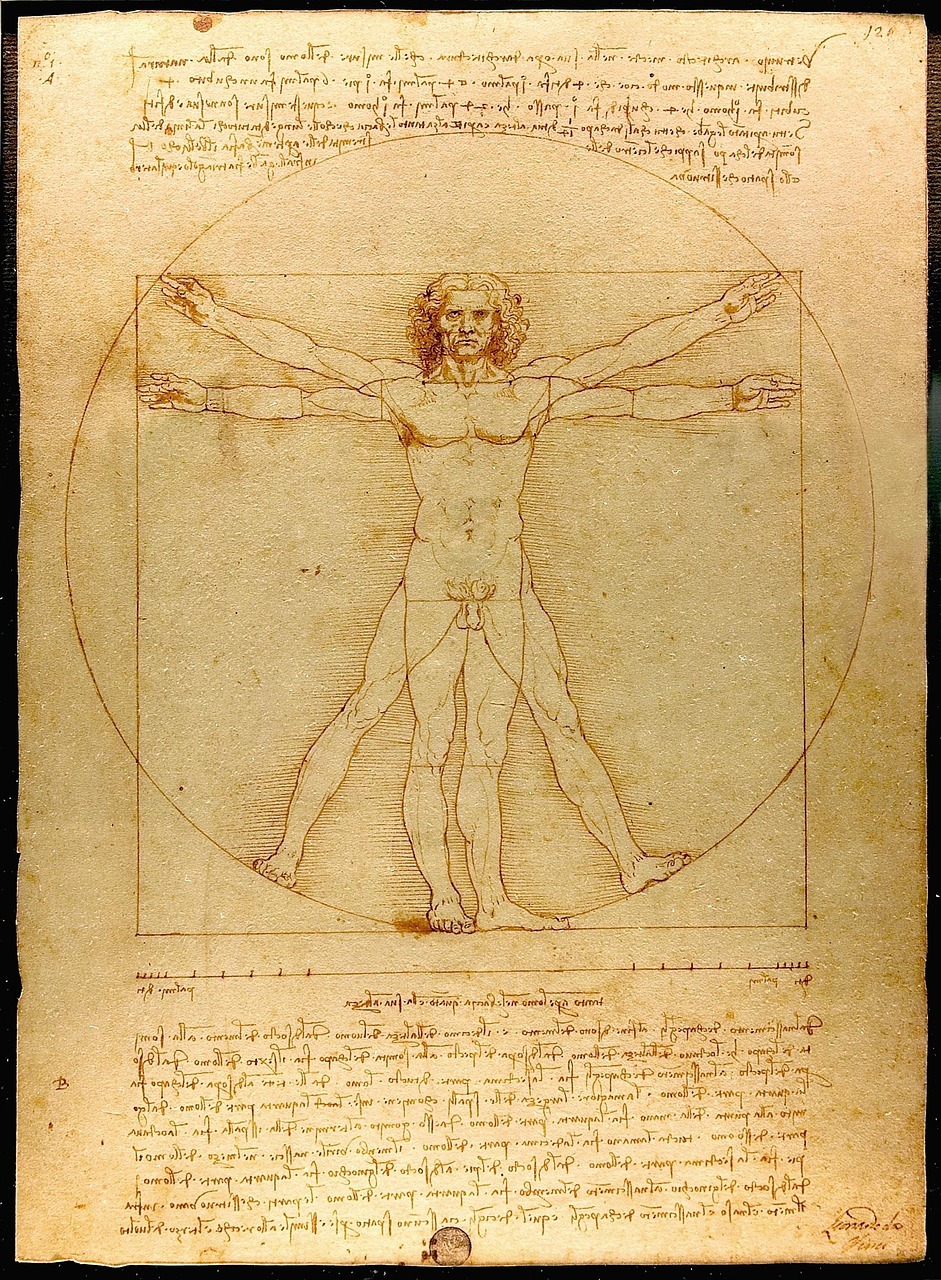
Leonardo’s anatomical drawings survive primarily through his notebooks, notably the Vitruvian Man sketches and detailed anatomical studies of muscles, bones, and organs. These sketches were rediscovered centuries after his death, revealing insights into early modern anatomy. His sources included dissections of human cadavers, animal studies, and classical texts which he critically analyzed and integrated into his work. His approach was inherently empirical, emphasizing direct observation over received wisdom.
Timeline
- 1452: Leonardo da Vinci born in Vinci, Italy
- 1470s: Begins anatomical studies and dissection experiments
- 1490s: Produces detailed anatomical drawings and sketches, including musculature and skeletal structures
- 1508: Sketches the renowned Vitruvian Man, illustrating proportions and symmetry
- 1513: Continues refining anatomical illustrations and notes
- 1519: Dies in Amboise, France; his anatomical work remains incomplete but influential
Debates & Controversies
Leonardo’s dissections often flouted legal restrictions, leading to debates about the ethics and legality of his methods. Some scholars question the authenticity and accuracy of his sketches, though modern analysis affirms their scientific rigor. Additionally, the extent to which his anatomical work was disseminated during his lifetime remains a topic of scholarly debate, with some arguing it delayed widespread impact due to the limited publication and circulation of his notebooks.
Artistic Contributions and Scientific Impact
His art and anatomical studies are inseparably linked; anatomical accuracy improved his paintings’ realism, exemplified in works like the Mona Lisa and The Last Supper. His sketches inspired future anatomists such as Andreas Vesalius, whose groundbreaking work “De humani corporis fabrica” built upon Da Vinci’s foundational observations.
Modern Medicine and Medical Illustration
Today, Leonardo’s detailed anatomical drawings serve as early prototypes for medical textbooks and visualization tools. The precision and clarity of his sketches continue to inform educational materials, illustrating the enduring marriage of artistic skill and scientific inquiry. His work is regarded as a Renaissance paradigm—integrating observation, artistic talent, and scientific rigor.
Conclusion
Leonardo da Vinci’s anatomical drawings stand as a monumental achievement that bridges art, science, and medicine. They exemplify a Renaissance ideal—curiosity unbounded by tradition and driven by empirical investigation. His legacy persists not only through his paintings but also through his visionary approach to understanding the human body, inspiring generations of scientists, artists, and medical professionals to pursue knowledge with meticulous rigor and creative curiosity.