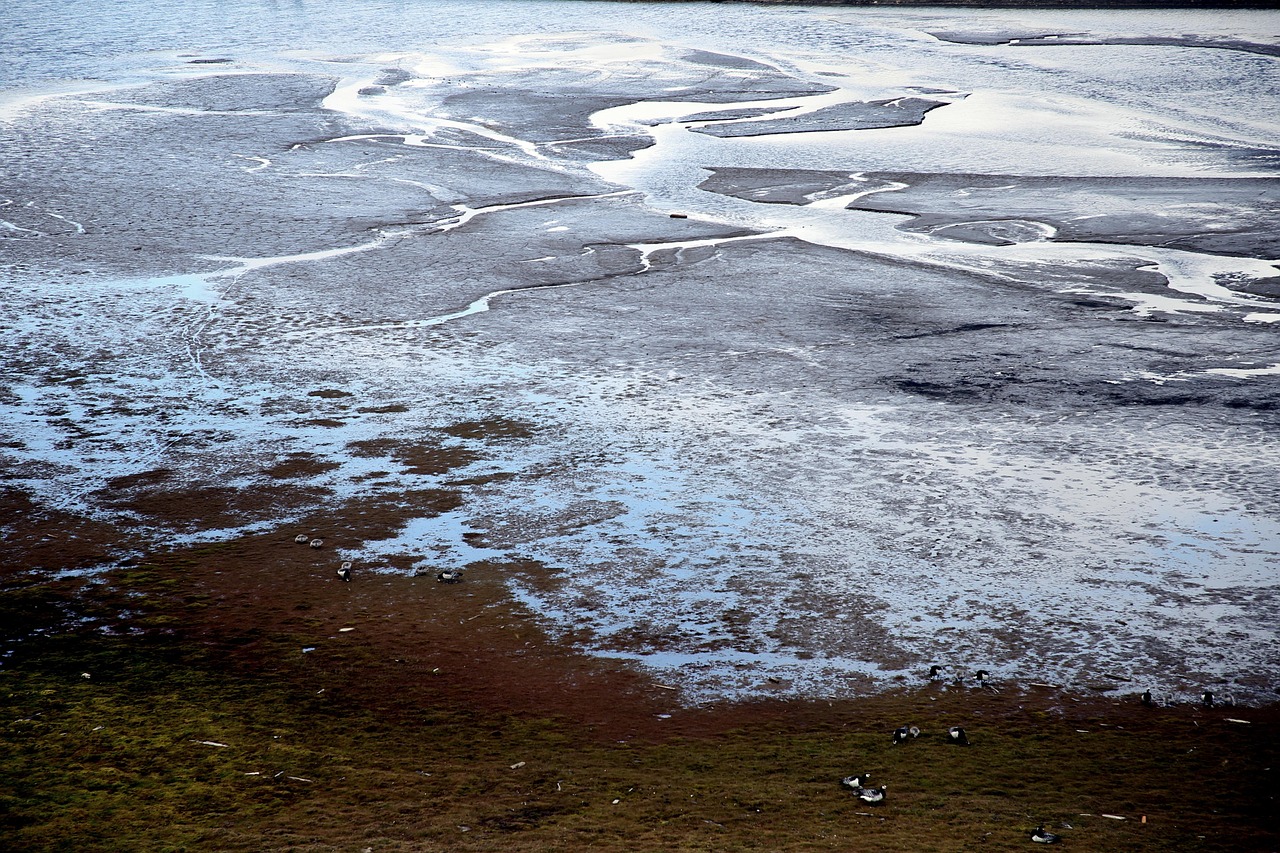
Throughout history, coastal areas have played a pivotal role in shaping the economic and cultural fabric of societies. The proximity to the sea has facilitated trade, enabled cultural exchanges, and prompted technological advances that have reverberated through generations.

Background
Throughout human history, coastal regions have been focal points of interaction, innovation, and societal evolution. The presence of the sea has not merely been a geographic feature but a catalyst for cultural exchange, economic prosperity, strategic power, and technological advancement. From ancient ports along the Mediterranean to bustling Asian harbor cities, the maritime sphere has served as an arena for dynamic human activity that shapes regional identities and global networks.
Geography
Physical Characteristics and Accessibility
The geography of coastal regions— including natural harbors, river deltas, and strategic straits— determines their potential for maritime activity. Favorable conditions such as sheltered bays and navigable waterways foster the development of ports, which in turn become centers of trade and cultural interchange. Conversely, rugged coastlines may limit access but create unique local identities and vulnerabilities.
Climate and Ocean Currents
Climate zones influence maritime trade routes and settlement patterns. Warm currents facilitate navigation and resource exploitation, while harsh weather conditions can hinder maritime endeavors. Oceanic phenomena, such as monsoons or trade winds, have historically dictated sailing seasons and maritime calendars, shaping regional trade cycles and societal rhythms.
Society & Culture
Sea-Based Societies and Maritime Identity
Coastal communities often develop distinct cultural identities centered around the sea— evident in their mythology, art, and social organization. Maritime societies such as the Vikings, Polynesians, and Phoenicians reflect adapted lifestyles, navigational expertise, and resource management tailored to their oceanic context.
Cultural Exchange and Innovation
The sea has served as a conduit for cultural exchange, spreading ideas, technologies, and religious beliefs. The Islamic maritime world, for instance, facilitated exchanges between Africa, Asia, and Europe, enriching diverse traditions. Similarly, the exchange between East Asia and Southeast Asia fostered technological innovations in navigation and shipbuilding.
Economy & Trade
Trade Routes and Commercial Networks
Maritime trade routes— from the Silk Road maritime variants to the Trans-Atlantic route— connected continents and facilitated the exchange of goods, people, and ideas. Strategic locations flourished as trading hubs, promoting regional prosperity and the accumulation of wealth and power.
Sea Resources and Economic Development
Fishery, salt production, and later, oil and mineral extraction, have sustained coastal economies. Over centuries, the exploitation of marine resources has driven social organization, technology, and even conflict, highlighting the integral role of the sea in economic development.

Military & Technology
Navigational and Maritime Technology
Advancements in shipbuilding—from the Egyptian reed boats to the caravel and steamship—have expanded exploration and warfare capabilities. Innovations such as the compass, astrolabe, and understanding of ocean currents revolutionized navigation and opened new maritime frontiers.
Naval Power and Regional Security
Control of sea lanes has often translated into political dominance. Naval warfare and fortifications along coastlines have played pivotal roles in regional security and empire-building efforts, exemplified by maritime nations such as Britain and Spain.
Governance & Law
Maritime Laws and Sovereignty
Legal frameworks, including the Law of the Sea, have evolved to regulate navigation rights, resource exploitation, and territorial claims. Maritime governance reflects competing interests over sovereignty, highlighting geopolitical tensions and cooperation in coastal regions.
Port Authority and Maritime Regulations
Effective port management and safety regulations are essential for facilitating trade and ensuring security. Regulatory bodies coordinate shipping lanes, environmental standards, and customs procedures, shaping regional stability and economic growth.
Archaeology & Sources
Underwater archaeology and maritime historical sources— including shipwrecks, port infrastructure, and ancient manuscripts— unlock the stories of seafaring peoples. These sources shed light on trade networks, technological innovations, and cultural exchanges that define the maritime influence over centuries.
Timeline
- Circa 3000 BCE: Early maritime trade begins in the Nile Delta and Mediterranean basin.
- Bronze Age (circa 2000 BCE): Development of seafaring vessels by the Minoans and Phoenicians fueling trade expansion.
- Ancient Greece and Rome (circa 800 BCE - 476 CE): Establishment of trade routes across the Mediterranean, naval dominance, and cultural exchange.
- Medieval Period (5th–15th centuries): Growth of Hanseatic League, Viking explorations, and Indian Ocean trade networks.
- Age of Discovery (15th–17th centuries): European expeditions expand global reach, colonization, and establishment of sea power.
- Industrial Revolution (18th–19th centuries): Technological advancements revolutionize shipping, leading to the rise of empire-building and global trade dominance.
Debates & Controversies
Key debates involve the environmental impact of maritime activities, territorial disputes over maritime boundaries, and the legacy of colonization. The ethics of resource exploitation and the preservation of underwater archaeological sites also provoke discussion among scholars and policymakers.
Conclusion
The influence of the sea on coastal regions is profound and multifaceted, shaping societies culturally, economically, and geopolitically over centuries. Understanding this maritime legacy enriches our appreciation of regional development and highlights the ongoing importance of oceans in global affairs.