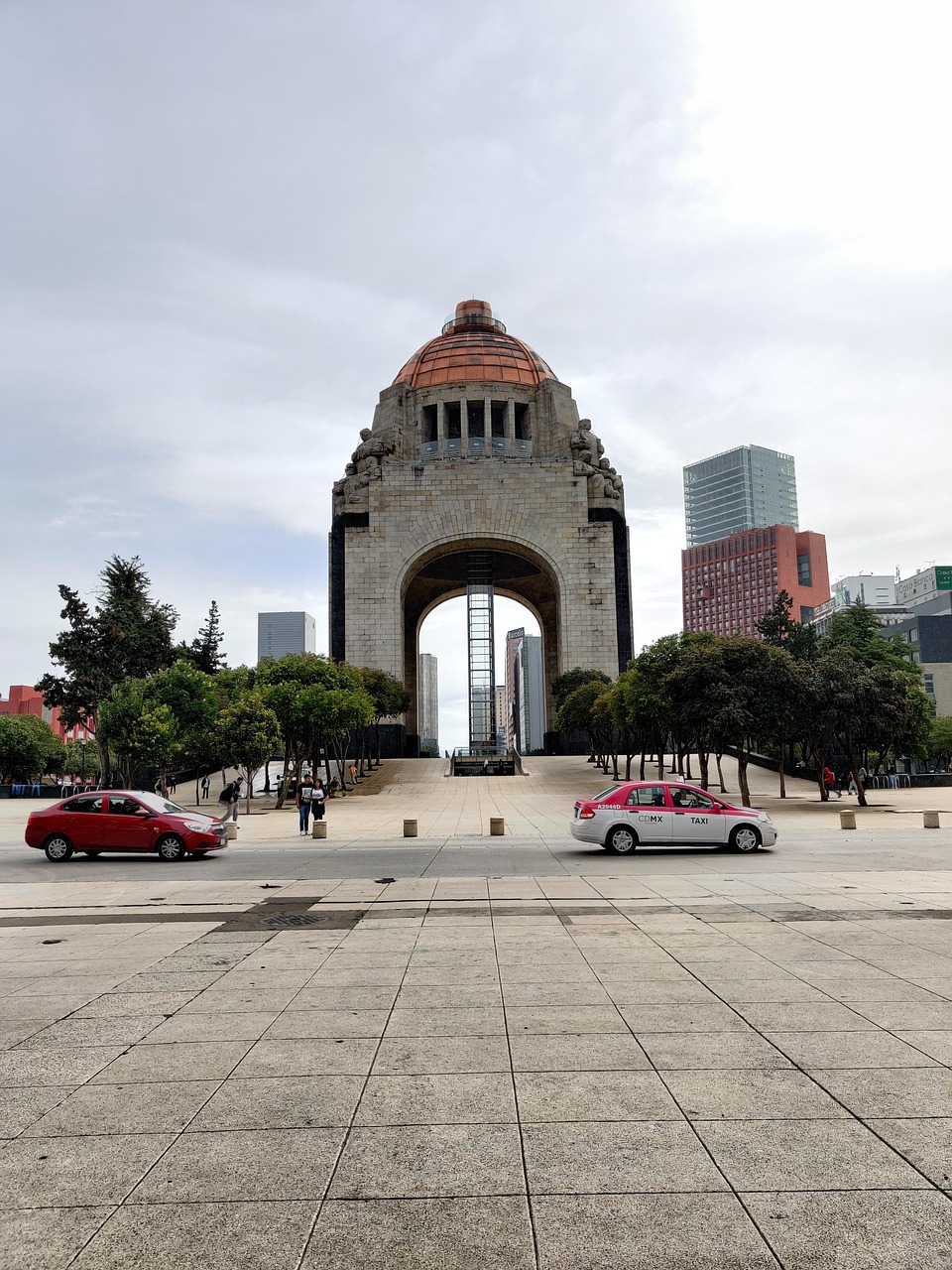
The Industrial Revolution marked a pivotal period not only in manufacturing and technology but also in the realm of architecture and urban planning. As factories, bridges, and public buildings evolved, innovative structural solutions emerged, reflecting the ingenuity of the era.

Background
The Industrial Revolution marked a pivotal turn in human history, characterized by sweeping technological, economic, and social transformations. Central to this upheaval was the evolution of architectural practices that facilitated large-scale industrial production, urbanization, and infrastructure development. The need for efficient factories, transport hubs, and supportive urban frameworks pushed architects and engineers to innovate in ways never seen before.
Geography
The geographical context of the Industrial Revolution primarily centered in Britain, where abundant coal and iron resources, navigable waterways, and proximity to colonies fostered rapid industrial growth. Urban centers like Manchester, Birmingham, and Sheffield expanded exponentially, owing in part to the groundbreaking architectural designs that accommodated sprawling factories, warehouses, and transportation networks.
Society & Culture
The societal shifts driven by industrial architecture included urban migration, changes in labor systems, and the emergence of new social classes. Architectural innovation supported these shifts by enabling the mass housing of workers, creating centralized industrial hubs, and fostering communal spaces that reflected a changing cultural landscape. These developments also prompted debates on living conditions, workers' rights, and urban planning.
Economy & Trade
Industrial architecture played an instrumental role in boosting economic productivity and trade. The construction of extensive factories, storage facilities, and transportation infrastructure reduced costs and increased efficiency. The design of warehouses, ports, and rail stations exemplified architectural ingenuity that facilitated global trade, helping transform local economies into interconnected industrial powerhouses.
Factory Design Innovations
Factories evolved from simple workshops to complex structures with advanced structural techniques, including large iron frameworks and expansive windows to maximize natural light, improving worker productivity and safety. These buildings employed novel materials such as steel and reinforced concrete, pioneering modern construction methods.
Transportation Infrastructure
Railroads, bridges, and tunnels became emblematic of architectural innovation, utilizing advanced engineering principles. The Iron Bridge (1779) and the proliferation of rail terminals exemplify how structural engineering redefined mobility and urban reach.

Military & Technology
Military needs spurred architectural advancements, including fortified factories and strategic transport routes. Technological innovations like prefabrication and modular construction emerged, influencing broader architectural practices. These developments not only supported military logistics but also contributed to civilian industrial infrastructure.
Governance & Law
Regulatory frameworks began to adapt to unprecedented construction scales and industrial capacities. Building codes, safety standards, and patent laws influenced architectural innovation, ensuring structural integrity and fostering competition among engineers and architects.
Archaeology & Sources
Many industrial structures have become archaeological sites, offering insights into the technological and social fabric of the era. Sources include blueprints, factory records, and contemporary accounts, which illuminate the construction techniques and societal impacts of architectural projects during the Industrial Revolution.
Timeline
- 1769: Invention of the Spinning Jenny—leading to the need for specialized factory buildings.
- 1779: Iron Bridge in England—pioneering use of cast iron in structural engineering.
- 1825: Opening of the Stockton-Darlington Railway—necessitating new station architecture and track design.
- Mid-1800s: Widespread adoption of steel frames and glass in factory design.
- 1851: The Great Exhibition showcases innovations in architecture and engineering.
- Late 1800s: Expansion of urban infrastructure with subway systems and elevated railways.
Debates/Controversies
While industrial architecture spurred economic growth, it also raised concerns about environmental degradation, worker safety, and urban congestion. The proliferation of factory towns often led to poor living conditions, prompting early movements advocating for regulation and reform. Debates centered on balancing technological progress with social responsibility.
Conclusion
The revolutionary advances in industrial architecture during the Industrial Revolution transformed the modern landscape in profound ways. These developments not only facilitated unprecedented industrial productivity and urban expansion but also pushed the boundaries of engineering and design. Their legacy endures in today's skyline, infrastructure, and architectural philosophy, highlighting a period of remarkable innovation driven by necessity and imagination.