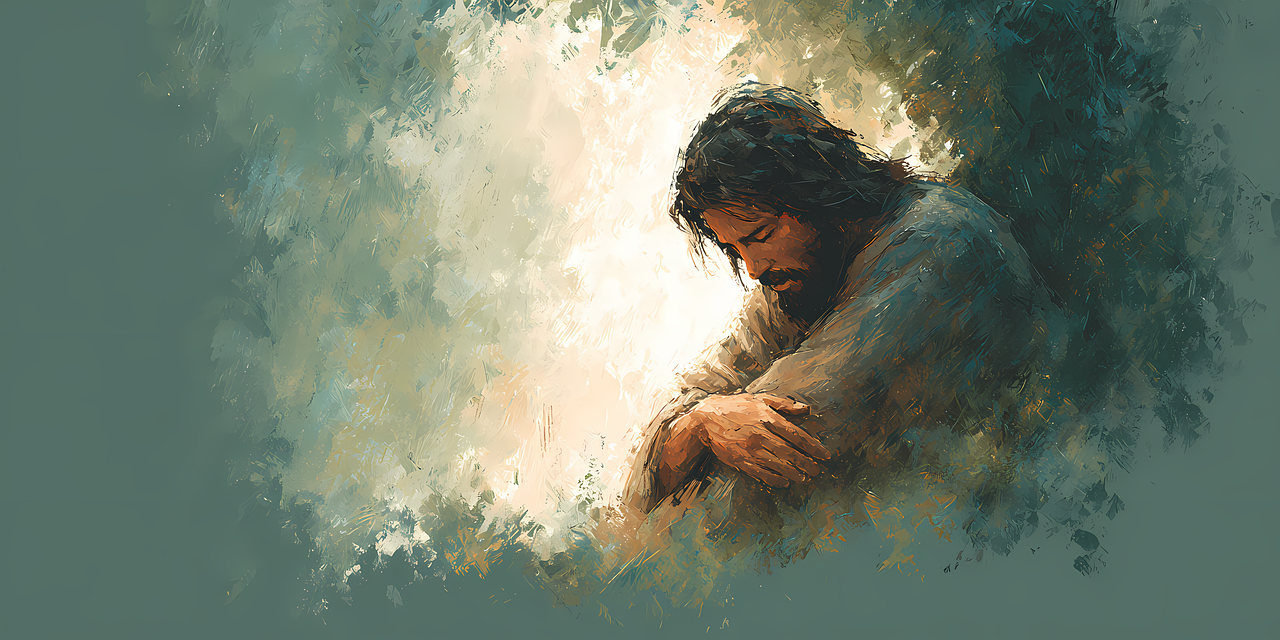
Throughout history, humans have used symbols to communicate complex spiritual concepts and to foster a sense of connection with the divine. These symbols serve as visual representations of beliefs, stories, and cosmic principles, transcending language barriers and uniting communities under shared sacred visions.

Background
Sacred symbols function as profound visual representations encapsulating complex spiritual truths and divine mysteries. Their roots stretch back to earliest human societies, where primal impulses toward understanding the divine often manifested through abstract forms, geometric patterns, and mythic imagery. These symbols transcend mere decoration; they are considered conduits to the divine voice, silent yet powerful messages passed through generations. From ancient cave paintings to today's religious iconography, sacred symbols act as a universal language connecting believers across time and space, fostering a sense of shared understanding and spiritual communion.
Geography
Global Distribution of Religious Imagery
Across the globe, sacred symbols vary wildly—yet many share common themes that hint at universal spiritual concerns. In Africa, symbols like the Adinkra motifs of Ghana communicate moral philosophies and spiritual values. In East Asia, the Yin-Yang and Taijitu represent balance and harmony, central to Taoist and Confucian thought. Indigenous American cultures employ symbols such as the Thunderbird and Sun Cross, encapsulating cosmological beliefs. In the Middle East, the crescent moon and star feature prominently in Islamic iconography, while Christian imagery often centers around the cross and sacred heart.
Regional Significance and Variations
Though certain symbols are widespread, regional variations express unique spiritual perspectives. For instance, the Om symbol in Hinduism and Buddhism signifies universal consciousness, yet its visual style varies across traditions and regions. Similarly, the Star of David serves as a Jewish emblem but is interpreted through different historical lenses. These variations reflect local cultural adaptations, preserving core meanings while fitting into distinctive artistic and spiritual frameworks.
Society & Culture
Role in Religious Rituals and Practices
Sacred symbols punctuate rituals, from the Christian cross at funerals to the lotus in Buddhist meditation. They serve as focal points that facilitate spiritual focus, sanctify spaces, and reinforce community identity. Iconography also plays a role in rites of passage, such as baptismal fonts adorned with religious symbols or initiation ceremonies featuring particular amulets.
Cultural Significance and Identity
Beyond the spiritual realm, sacred symbols often embody cultural identity, serving as markers of belonging and tradition. For example, Native American totems encapsulate clan histories and spiritual guardianship, while Indian henna designs incorporate symbols of fertility and protection. These symbols forge links between personal, communal, and sacred histories, anchoring spiritual beliefs within living cultural practices.
Art, Literature, and Collective Memory
Sacred imagery permeates art and literature, shaping collective memory and societal values. Religious paintings, sculptures, and illuminated manuscripts vividly illustrate divine narratives, fostering moral and ethical reflections. Stories told through sacred symbols—such as the ancient Egyptian ankh or the Christian ichthys fish—serve as mnemonic devices, transmitting spiritual truths across generations.
Economy & Trade
Religious Artifacts and Commodities
The demand for sacred objects drives a vibrant economy centered around religious artifacts—icons, relics, amulets, and ritual implements. These items often hold sacred value and are traded within religious communities or through international markets. For instance, Vatican relics and Tibetan prayer beads are highly sought after, fueling a global market that intertwines faith and commerce.
Trade Routes and Cultural Exchange
Historically, pilgrimage routes and trade pathways facilitated the exchange of religious symbols, fostering cross-cultural influence. The Silk Road not only transported silk and spices but also artifacts and iconography, enriching spiritual traditions with new motifs and ideas. Such interactions contributed to the syncretism observed in many religious practices today.
Symbolic Commodification and Modern Faith
In contemporary society, sacred symbols have been commodified through fashion, jewelry, and digital media—transforming spiritual iconography into lifestyle statements. While this democratizes access to spiritual imagery, it also raises questions about commercialization and authenticity within religious contexts.
Military & Technology
Protective Symbols and Amulets
Many cultures have employed sacred symbols as protective talismans in warfare or personal security. The evil eye’s blue eye amulet, the hamsa hand, and the mystic sigils inscribed on armor are believed to ward off malign influences and bring divine favor in conflict situations.

Technological Adaptations of Sacred Imagery
Today, digital media and virtual platforms amplify the reach of spiritual iconography. Religious symbols are embedded in virtual spaces, augmented reality, and even fashion apps, creating new modes of divine connection. QR codes inscribed with sacred symbols and online altar spaces exemplify the convergence of technology and spirituality.
Religious Defense and Cultural Warfare
Symbols also serve as identifiers in conflicts, marking territories or groups and inspiring both unity and opposition. The use of religious iconography in military uniforms or banners underscores the deep-seated connection between sacred symbols and notions of divine authority in warfare.
Governance & Law
Sacred Symbols in Legitimacy and Authority
Many rulers historically employed sacred symbols to legitimize authority—crowns, scepters, or national emblems often incorporate religious imagery. Charters, laws, and treaties frequently bear the mark of divine endorsement, reinforced through symbols embedded in state insignia.
Legal Systems and Religious Iconography
In some societies, religious symbols underpin legal authority and moral codes—for example, the Ten Commandments and Islamic sharia law codes often cite divine mandates expressed through religious symbolism. This intertwining influences governance structures and societal norms.
Symbolic Representation in State and Religious Law
Modern secular states incorporate symbols to balance religious heritage and political inclusivity—flags, national seals, and public monuments often feature sacred iconography as symbols of collective identity and rootedness in shared spiritual values.
Archaeology & Sources
Discoveries of Sacred Symbols
Archaeological excavations reveal ancient shrines, carvings, and artifacts bearing sacred symbols, illuminating early spiritual practices. Notable finds include the Catalhoyuk murals, Mesopotamian cylinder seals, and the Nazca Lines, each offering insights into the symbolic languages of their respective cultures.
Primary Sources and Texts
Religious scriptures—Vedas, Bible, Quran, and sacred hymns—are repositories of symbolic language, often accompanied by visual motifs and ritual instructions. These texts serve as both doctrinal guides and sources of visual symbolism, many of which have inspired centuries of art and doctrine.
Interpretation and Challenges
Interpreting sacred symbols from archaeological contexts involves deciphering layered meanings, which can vary across cultures and time. Challenges include contextual ambiguity, potential syncretism, and the impact of modern interpretations on understanding ancient symbolism.
Timeline
- Prehistoric Era: Primitive cave paintings with abstract symbols
- circa 3000 BCE: Egyptian hieroglyphs and divine emblems emerge
- 1500 BCE: Use of sacred symbols in Greek and Roman mythology
- 7th century CE: Development of Islamic calligraphic symbols
- 13th-15th centuries: European religious iconography flourishes during Gothic era
- 19th-20th centuries: Revival and reinterpretation through spiritual movements
- Contemporary era: Digital proliferation of sacred imagery
Debates & Controversies
Discussions around sacred symbols often touch on issues of cultural appropriation, commercialization, and authenticity. The secularization of religious imagery raises questions about respecting sacredness versus artistic freedom. Additionally, conflicts over the use or misappropriation of sacred symbols can incite social tensions or cultural misunderstandings.
Conclusion
From ancient cave paintings to digital icons, sacred symbols embody humanity’s eternal search for divine connection. They serve as bridges—linking past and present, believers and outsiders, the material and spiritual worlds. Their enduring presence underscores their fundamental role as the hidden language through which the divine communicates across cultures and generations, reminding us that beneath the surface of our diverse traditions lies a shared desire to understand the sacred and forge a connection to the divine.