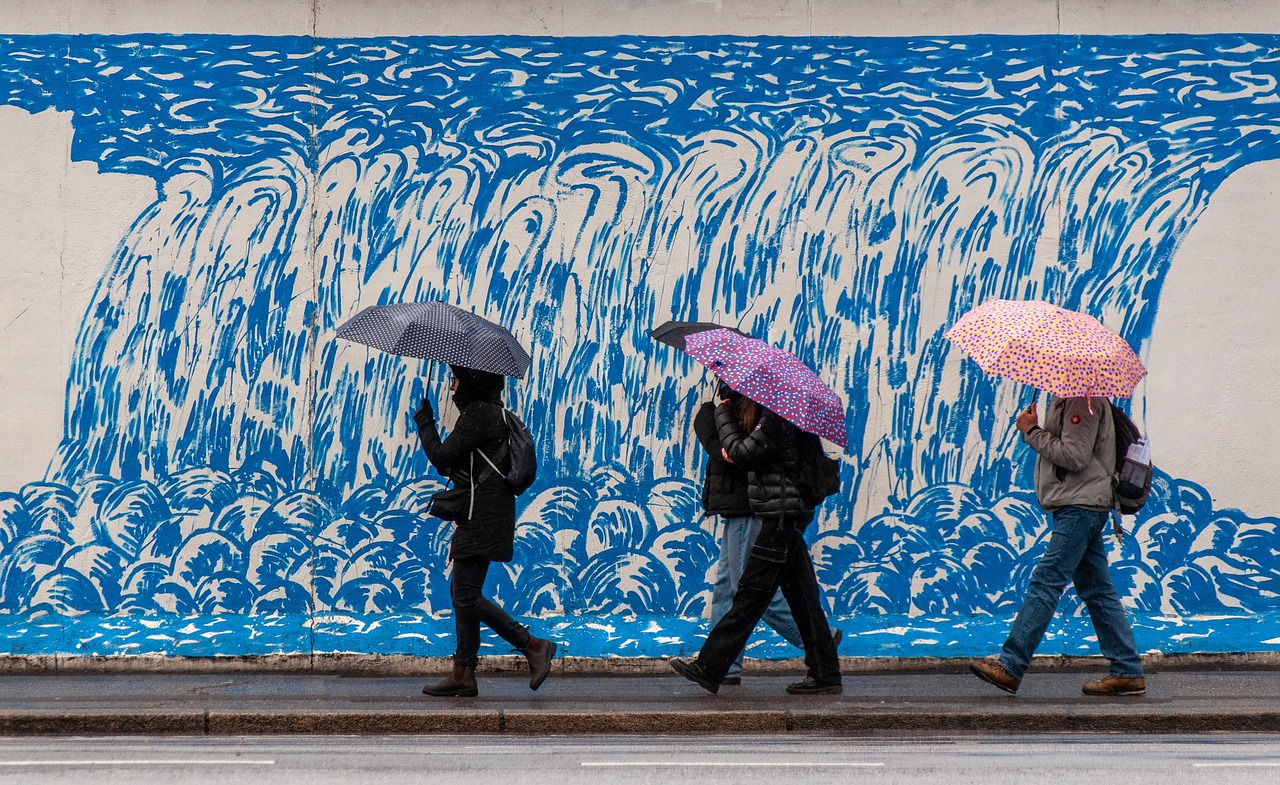
Street art has grown from simple markings to a global phenomenon that transforms cityscapes into dynamic visual narratives. This form of artistic activism challenges traditional notions of art ownership and accessibility, making it a democratic and provocative mode of cultural commentary.
Background
Street art, encompassing graffiti, urban murals, and other forms of public space art, originated as a grassroots movement rooted in the desire for self-expression, social commentary, and cultural identity. Its roots trace back to ancient civilizations where wall paintings and carvings served storytelling and ritual purposes, but the modern street art movement as we understand it today began in the late 20th century, primarily emerging from urban centers like New York City, Philadelphia, and later spreading globally.
Historically, marginalized communities used street art as a means of protest and identity affirmation, transforming neglected cityscapes into vibrant canvases. It challenged the traditional notions of art confined within galleries, demanding visibility and engagement in the public domain. This act of reclaiming space was inherently political, asserting presence in urban narratives often dominated by commercial and governmental interests.
Geography
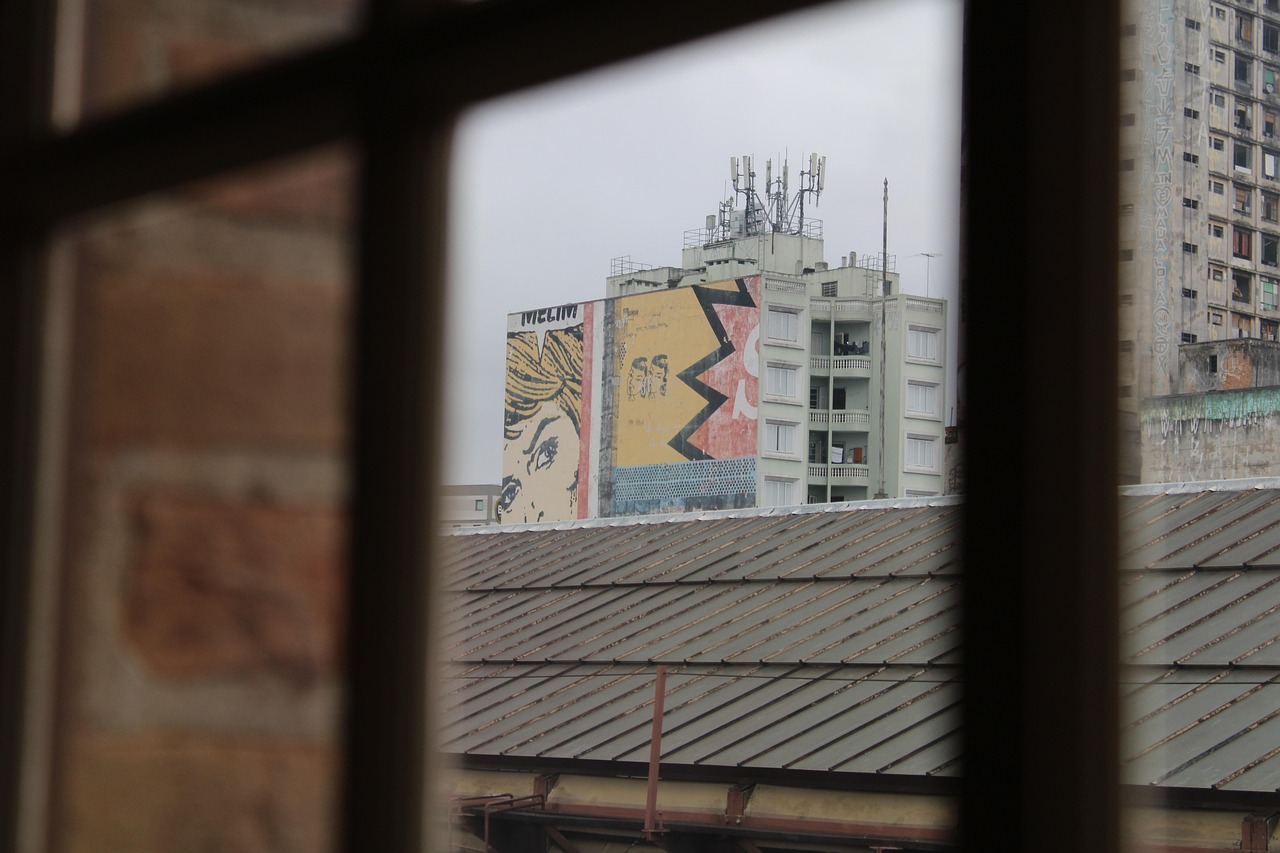
The geographic evolution of street art reflects its inception in densely populated urban environments with high foot traffic and socio-political tensions. Cities like New York became iconic for its graffiti scene in the 1970s and 80s, with neighborhoods like the Bronx serving as the birthplace of many influential artists. As techniques and styles evolved, street art proliferated across European metropolises such as Paris and Berlin, took hold in Latin American cities like São Paulo and Buenos Aires, and eventually expanded into Asian and African urban contexts.
Different regions adopted unique styles rooted in local cultures. For example, Central American murals often incorporate indigenous symbolism, while European city walls embraced more elaborate and politically charged motifs. Geographically, the distribution of street art correlates with socioeconomic factors, often flourishing in marginalized districts but also infiltrating affluent areas as a form of cultural commentary or rebellion.
Society & Culture
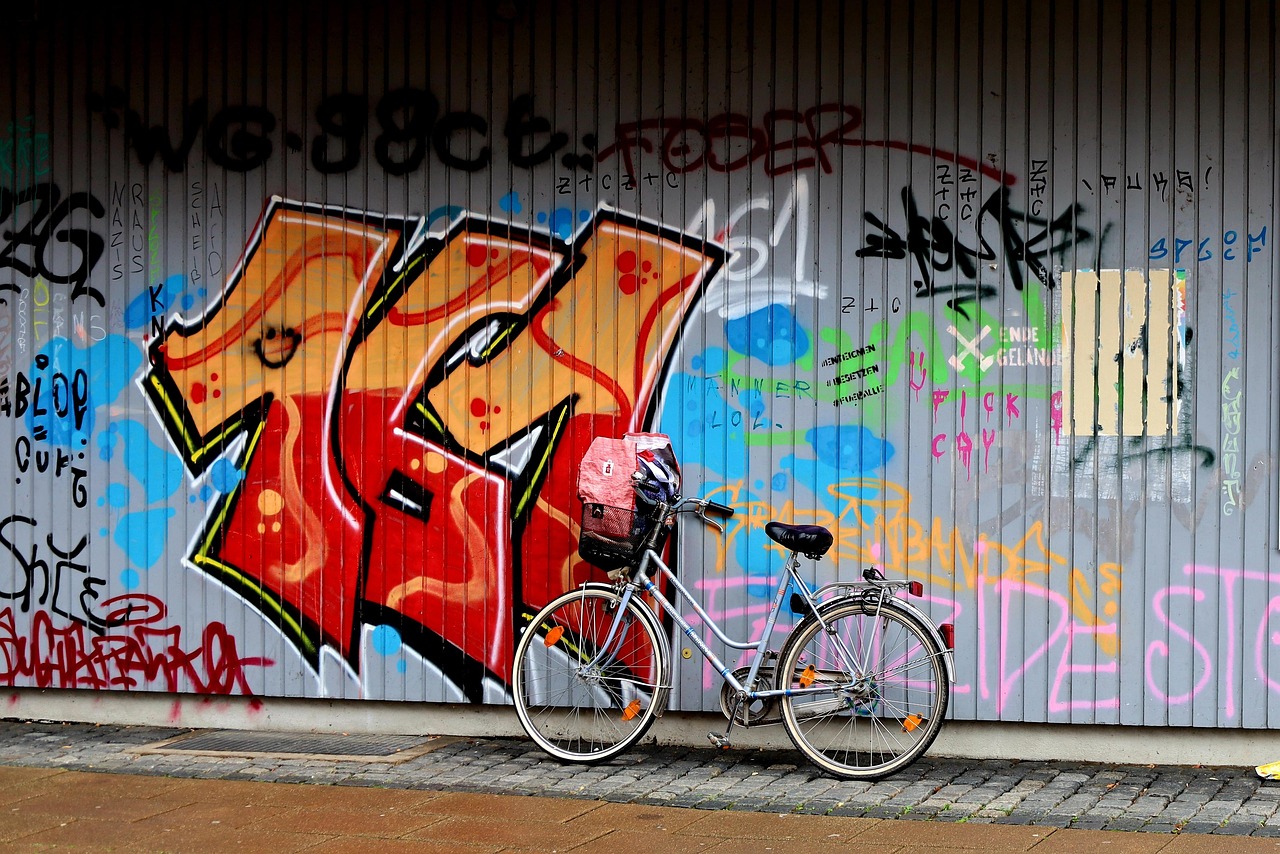
Street art functions as a dynamic mirror of societal issues, embodying cultural expression, resistance, and innovation. It has historically served as a voice for oppressed communities, expressing political dissent, social justice concerns, or cultural pride. Artistic styles vary—from the bold tags and throw-ups of early graffiti writers to intricate murals representing cultural narratives or political messages.
This movement challenges traditional art hierarchies, emphasizing community engagement and accessibility. Many street artists use public spaces to facilitate dialogue, provoke thought, or celebrate cultural heritage. The aesthetic diversity reflects a broader societal mosaic, capturing the complexities and conflicts of urban life.
Economy & Trade
Though often viewed outside the mainstream art economy, street art increasingly influences commercial sectors, from fashion collaborations to advertising campaigns. Artists monetize their work through commissioned murals, gallery shows, or merchandise, transforming urban art into profitable enterprise while still maintaining roots in activism.
Additionally, street art plays a role in tourism, with cities leveraging iconic murals to attract visitors. Urban renewal projects sometimes incorporate murals as part of cultural revitalization, recognizing their potential to boost local economies. However, this economic entanglement sparks debates about commodification and the loss of anti-establishment integrity.
Military & Technology
The development of tools and technology has shaped street art practices. From the simple spray paint cans of the early days to sophisticated stencils, digital design aids, and augmented reality, technology expands what artists can achieve publicly. Certain urban environments, especially in conflict zones or areas under military control, have seen street art as a form of resistance or communication—like murals in war-torn areas delivering messages of hope or warning.
Innovations such as drone-based painting or virtual murals are pushing the boundaries further. The synchronization of street art with social media platforms catapults local works into global visibility, transforming ephemeral graffiti into transient yet influential digital artifacts.
Governance & Law
The legal landscape surrounding street art is complex and often contentious. Many jurisdictions classify unauthorized graffiti as vandalism, leading to arrests and penalties. Conversely, some cities have established legal walls or designated areas where artists can work freely, recognizing the cultural value of such expressions.
Municipal policies vary widely—from zero-tolerance stances to embracing street art as part of urban identity. Enforcement challenges include differentiating art from vandalism and managing conflicts between property owners, artists, and authorities. Debates continue over property rights, censorship, and the preservation of street art as a cultural asset.
Archaeology & Sources
Historically, evidence of wall art appears in archaeological records, from ancient Egyptian hieroglyphs to Roman graffiti. The modern street art's lineage can be traced through documented movements like hip-hop culture and graffiti art schools of the 1970s and 80s. Key sources include individual artist autobiographies, urban studies, art history texts, and ethnographic accounts of subcultures.
Research often relies on visual archives, city permits, and interviews with pioneering artists. Online platforms and documentation projects also serve as repositories for street art images, fostering academic and public engagement with this dynamic cultural phenomenon.
Timeline
- 1960s-1970s: Origins of graffiti in New York City; tags and simple street markings
- 1980s: Rise of elaborate murals; graffiti becomes a global urban culture movement
- 1990s: Diversification of styles; street art enters galleries and mainstream media
- 2000s: Legislation challenges; legal walls and street art festivals emerge
- 2010s: Digital integration; augmented reality and social media amplify visibility
Debates & Controversies
Key issues revolve around legality, ownership, and cultural value. The tension between vandalism and art persists, with arguments about whether street art enhances or degrades urban environments. Some view it as a vital form of free expression, while others see it as a public nuisance or property damage.
Controversies also include how to preserve ephemeral works—many murals are intended to be temporary, yet they gain historical significance over time. Debates extend to commercialization, with concerns about street art losing its radical edge as it becomes commodified.
Conclusion
Street art’s journey from rebellious graffiti to a recognized form of cultural expression encapsulates a broader narrative of reclaiming space, challenging authority, and celebrating diversity. It embodies the tension between chaos and order, permanence and ephemerality, individual voice and collective identity.
As cities evolve, so will street art—persisting as a living, breathing reflection of urban cultures. Its power to provoke, inspire, and transform in the public sphere ensures its place in the ongoing story of cultural movements shaping our world.