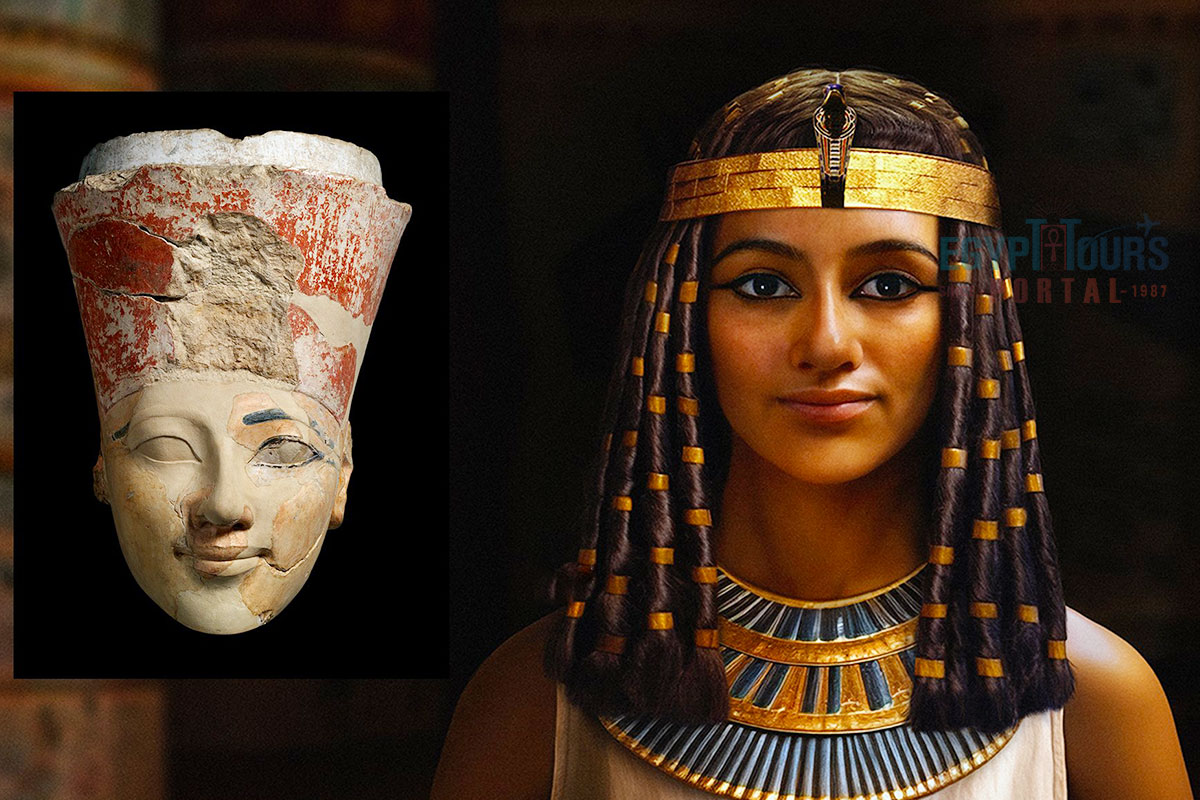
The transformation from dispersed villages to organized urban centers was a defining feature of early human societies. These burgeoning hubs became the backbone of political authority, economic activity, and cultural expression. Understanding their development sheds light on the roots of organized society.

Background
The concept of urban centers marks a pivotal moment in human history, transitioning societies from nomadic hunter-gatherers to settled, complex structures. This shift, which gained momentum around 4000 BCE, laid the groundwork for what would become the foundation of modern civilizations. Early urbanization was driven by factors such as environmental changes, technological innovations, and social organization, leading to the rise of dense populations, elaborate infrastructure, and specialized professions.
Geography
Geographical factors played a crucial role in the emergence of early cities. Fertile river valleys like the Nile, Tigris-Euphrates, Indus, and Yellow River provided fertile land and water sources essential for agriculture and sustenance. These regions also offered natural transportation routes, facilitating trade and communication. Elevated terrains and coastal regions further supported the development of port cities and trade hubs, enhancing their strategic and economic importance.
Society & Culture
Social Stratification
Early civilizations exhibited complex social hierarchies, often with a ruling elite, clergy, artisans, traders, and laborers. Social stratification fostered specialization, contributing to technological advances and cultural developments. Monumental architecture, such as ziggurats, pyramids, and temples, reflected religious, political, and social hierarchies, reinforcing societal structure.
Religious and Ideological Dimensions
Religion played a central role in early urban life, with cities serving as religious centers. Deities, mythologies, and sacred practices intertwined with political authority, reinforcing divine legitimacy of rulers and social cohesion. Religious festivals and rituals fostered a sense of collective identity and cultural continuity across generations.
Economy & Trade
Urban centers thrived on agriculture, craft production, and trade. Surpluses of food allowed populations to grow and diversify economic activities. Cities became hubs of commerce, exchanging goods like textiles, metals, pottery, and foodstuffs. Trade routes connected these centers to distant regions, facilitating cultural exchanges and technological diffusion. Markets and marketplaces evolved as focal points for economic activity, including barter and later, currency-based transactions.

Military & Technology
The stakes in growing urban centers often led to militarization and technological innovation. City walls, watchtowers, and fortifications protected inhabitants from invasions. Advancements in metallurgy, weaponry, and siege technology provided strategic advantages. The development of irrigation systems, plows, and other agricultural tools further supported urban populations and economic stability.
Governance & Law
Political structures evolved from clan-based leadership to centralized states and city-states with codified laws. Early rulers claimed divine authority, often supported by religious institutions. Legal codes, such as Hammurabi’s Code, established social order and justice, regulating trade, property rights, and social behavior. Governance often intertwined with religion, emphasizing divine right and moral order.
Archaeology & Sources
The study of early urban centers relies heavily on archaeological excavations, pottery, inscriptions, and architectural remains. Discoveries in Mesopotamia, Egypt, the Indus Valley, and China have provided invaluable insights. Cuneiform tablets, hieroglyphic inscriptions, and seals reveal administrative, religious, and commercial aspects of these societies. Cross-disciplinary research continues to refine our understanding of their development and complexity.
Timeline
- c. 4000 BCE: Emergence of Sumerian city-states in Mesopotamia
- c. 3100 BCE: Unification of Upper and Lower Egypt, establishment of Memphis as a capital
- c. 2500 BCE: The Indus Valley Civilization flourishes with cities like Harappa and Mohenjo-daro
- c. 2000 BCE: Rise of the Shang Dynasty in China, with sophisticated urban planning
- c. 1500 BCE: Minoan civilization on Crete demonstrates advanced urban culture in the Aegean
Debates & Controversies
Scholars debate the extent to which cities directly fostered social inequality versus community cohesion. Some argue that urbanization led to hierarchies and exploitation, while others see it as a catalyst for cultural innovation and social mobility. The origins of statehood and the transition from city-states to empires remain subjects of ongoing research, with new archaeological discoveries challenging traditional narratives.
Conclusion
The dawn of urban centers marks a significant milestone in human history, representing the transition from simple settlements to complex civilizations. Understanding their social, political, and technological innovations offers valuable insights into the evolution of society. These ancient cities, with their enduring legacies, exemplify humanity’s perennial drive for community, organization, and cultural expression, forming the backbone of our modern urban existence.