Introduction
Public spaces have traditionally served as vital hubs where communities converge, exchange ideas, and foster cultural bonds. Over centuries, the conception and design of these areas have transformed in response to social, political, and technological shifts. From bustling town squares to sprawling urban parks, the way societies craft their communal environments reflects broader developmental currents.

Historical Foundations of Public Spaces
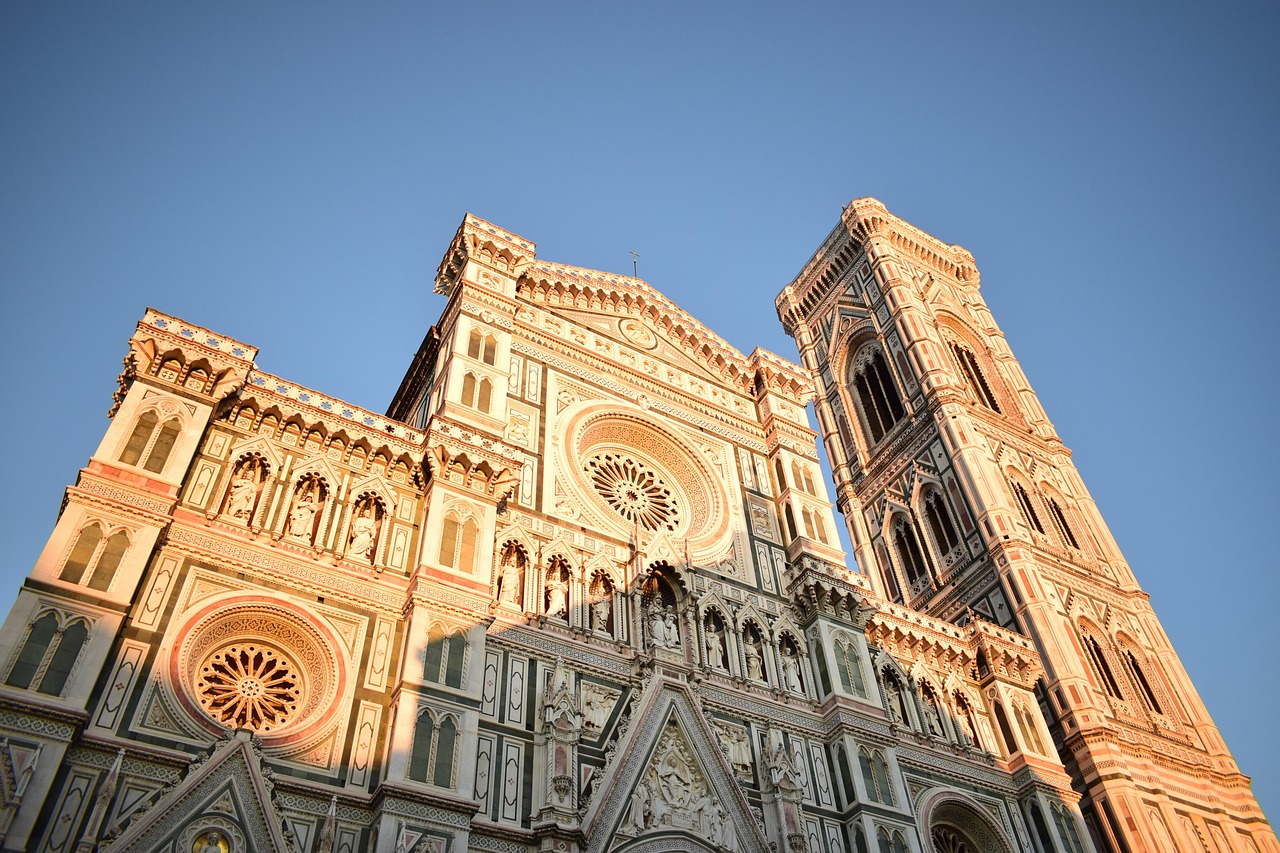
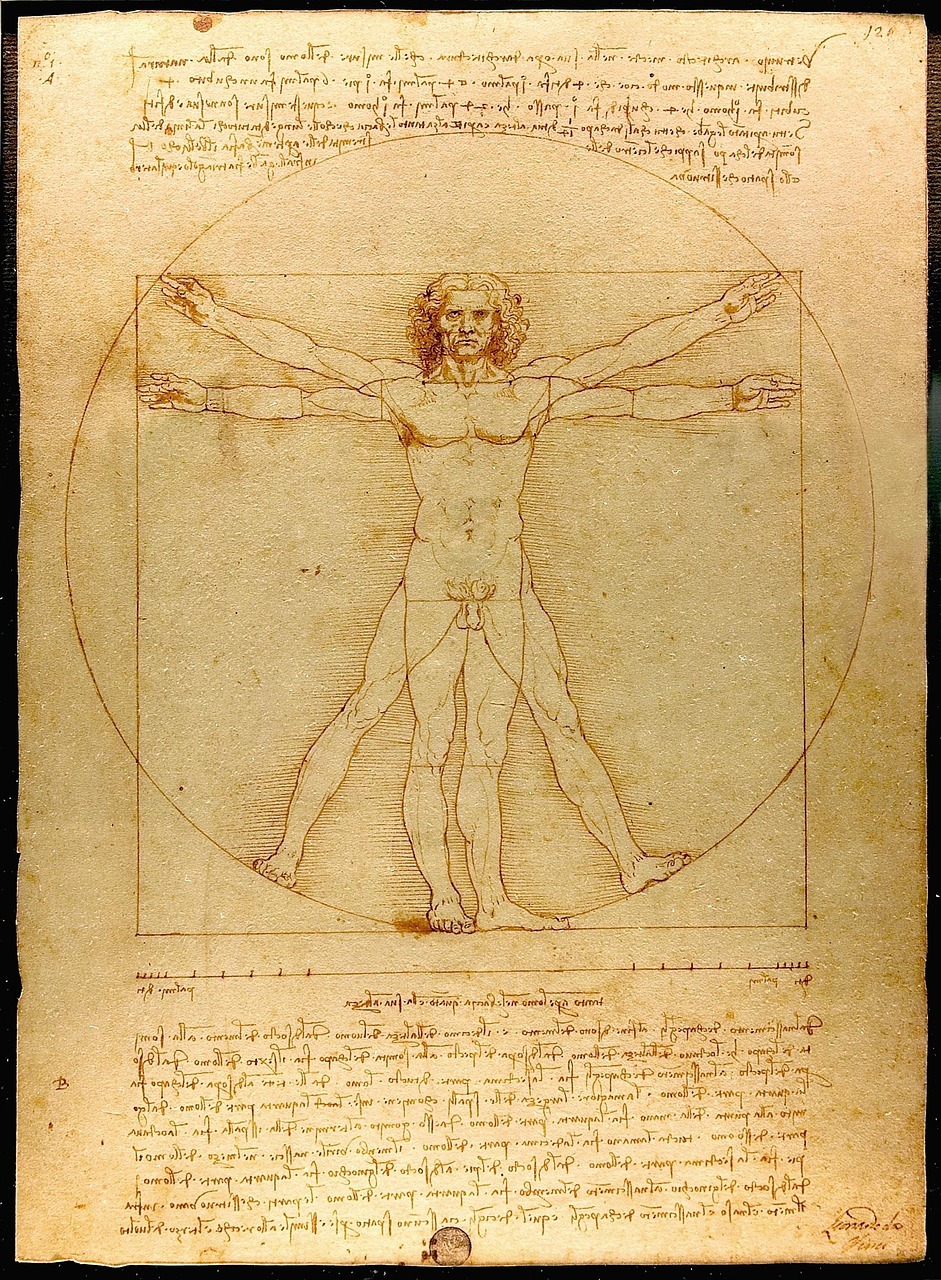
In earlier eras, central plazas and marketplaces functioned as focal points for civic life, often reflecting the power and aesthetic ideals of their eras. These spaces were not merely functional but symbolic, representing communal identity and shared values. The Renaissance period, for instance, saw a renewed emphasis on humanism and aesthetic harmony, influencing the design of public areas to embody beauty, order, and civic pride.
Modern Innovations in Design
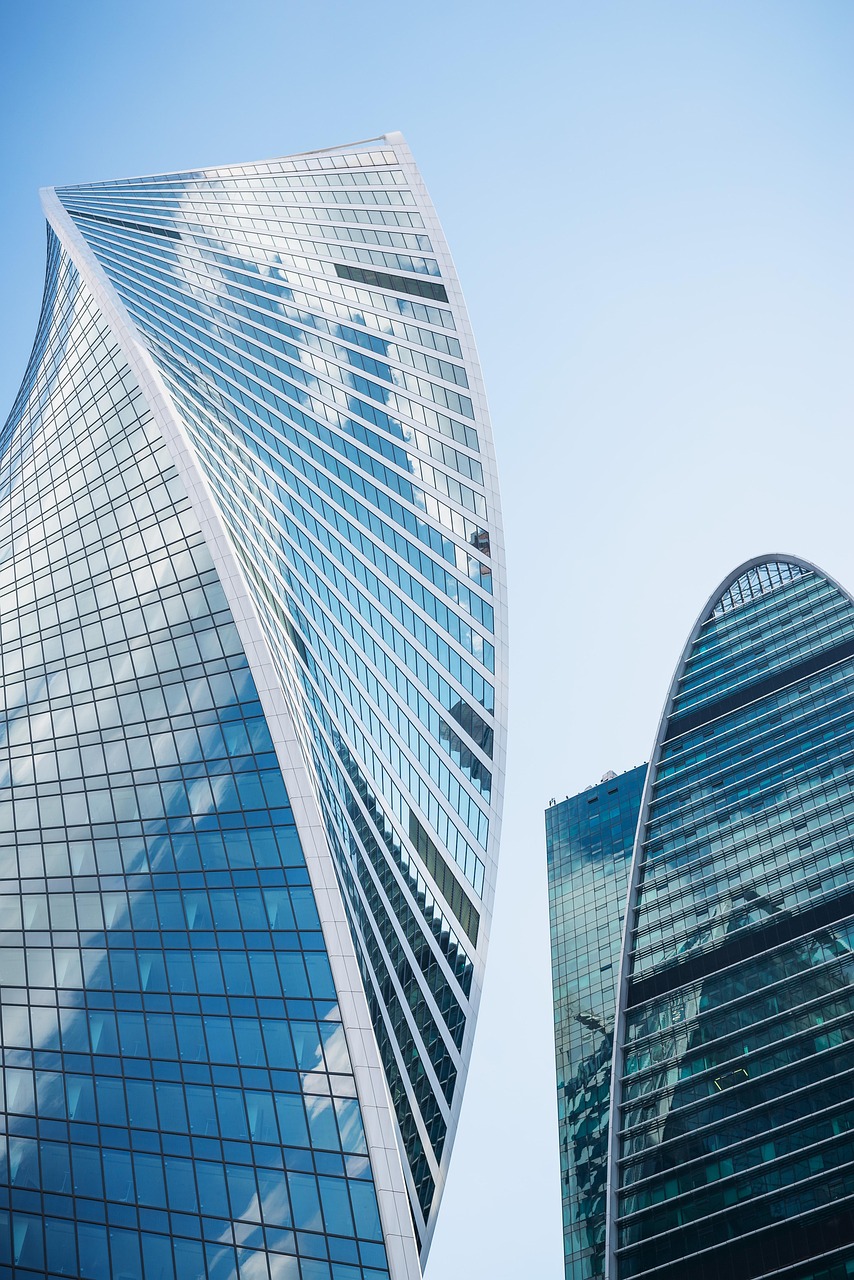
Today, the evolution continues with an emphasis on inclusivity and sustainability. Innovative techniques incorporate green technologies, flexible layouts, and interactive elements to encourage active participation across diverse populations. Urban planners embrace concepts like multi-use spaces, pedestrian-friendly zones, and artistic installations to create vibrant environments that foster social cohesion.

Impact of Spatial Design on Society
The layout and features of public spaces can significantly influence societal dynamics—promoting safety, accessibility, and community engagement. Thoughtful design reduces social barriers, facilitates cultural exchange, and supports economic vitality. Conversely, poorly planned environments can lead to segregation and social disconnection, underscoring the importance of intentional spatial planning.
Conclusion
The ongoing transformation of public spaces encapsulates a broader narrative about societal values and aspirations. As communities continue to innovate in urban design, these shared environments will remain essential for fostering connection, nurturing cultural expression, and shaping the collective identity of future generations.