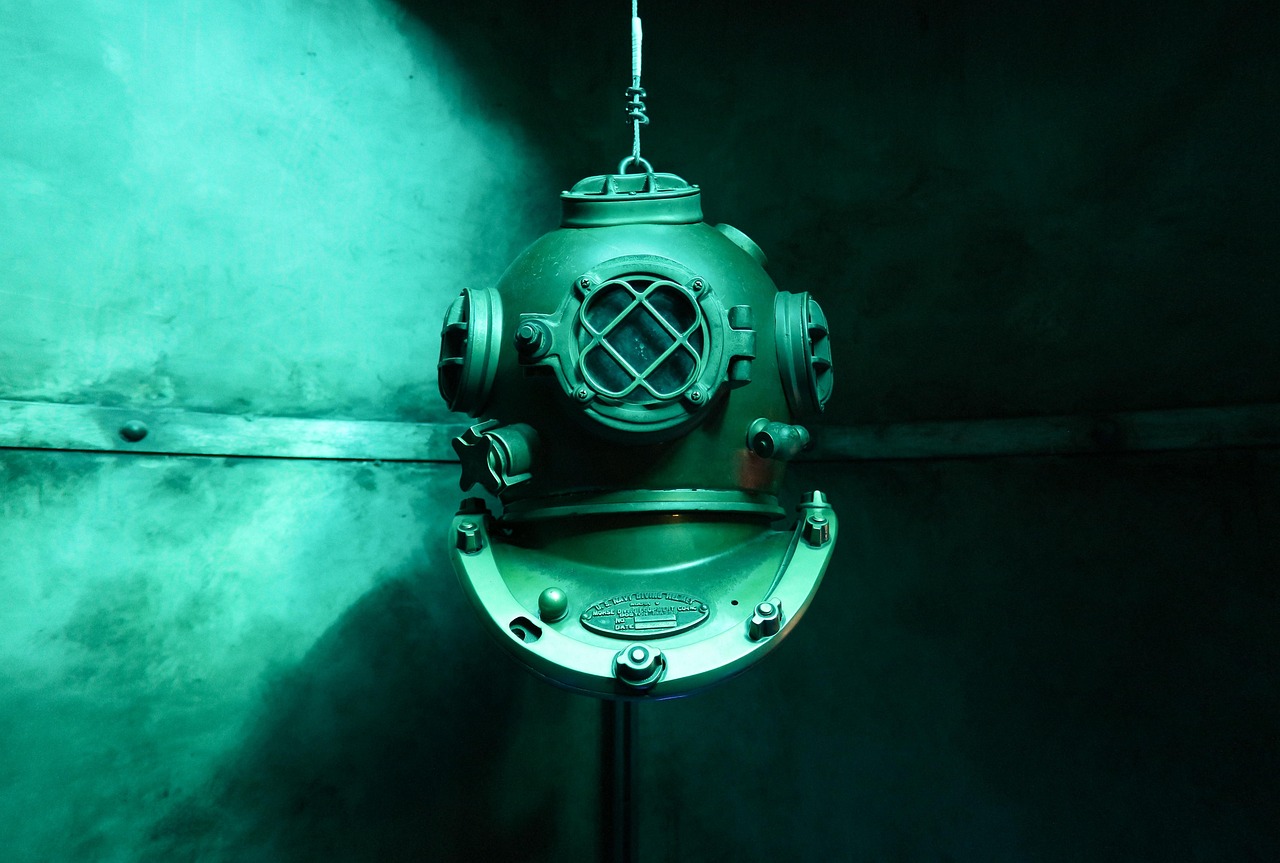
In the late 20th century, a peculiar device captured the imaginations of both scientists and mystics alike: the 'God Helmet.' Developed by neuroscientist Michael Persinger, this modified motorcycle helmet, equipped with solenoids emitting weak magnetic fields, promised to induce profound spiritual or mystical experiences by stimulating the temporal lobes of the brain. The claims were audacious – that subjective experiences of the divine could be engineered in a laboratory, suggesting a neurological basis for what many consider the realm of the sacred.
Introduction to Religions
Exploring Michael Persinger's Groundbreaking Work and the Neuroscience of Spiritual Experiences
The quest to understand the origins of religious and spiritual experiences has captivated humanity for millennia, spanning theology, philosophy, and psychology. In the late 20th century, a pioneering neuroscientist, Dr. Michael Persinger, introduced a radically empirical approach to this ancient question with a device famously dubbed the 'God Helmet'. This non-invasive brain stimulation apparatus, more formally known as the Koren Helmet, was designed to apply weak, fluctuating magnetic fields to the temporal lobes of the brain, a region long implicated in the genesis of altered states of consciousness and profound subjective experiences. Persinger's audacious hypothesis suggested that many spiritual and mystical experiences, traditionally attributed to divine intervention or supernatural forces, could be explained as transient micro-seizures or neurocognitive anomalies within the temporal lobes, influenced even by subtle environmental magnetic shifts. This article delves deeply into the scientific underpinnings, experimental evolution, contentious results, and enduring legacy of the God Helmet, exploring its profound implications for our understanding of consciousness, spirituality, and the human brain.
Overview: The Genesis of the God Helmet
The 'God Helmet' emerged from decades of research by Michael Persinger at Laurentian University in Sudbury, Ontario, Canada. His work was rooted in a broad theory of consciousness and the brain's interaction with geomagnetic fields. Persinger hypothesized that the human brain, particularly the temporal lobes, is exquisitely sensitive to fluctuating magnetic fields, even those as weak as the Earth's natural geomagnetic pulsations. He proposed that transient electrical anomalies in the temporal lobes, whether naturally occurring or experimentally induced, could manifest as deeply personal, often mystical, experiences.
Early Concepts and Michael Persinger's Hypothesis
Persinger's journey began with observations linking increased reports of paranormal experiences to periods of enhanced geomagnetic activity. He posited that the temporal lobes, rich in limbic structures crucial for emotion, memory, and self-awareness, are particularly susceptible to electrical lability. When these regions are subtly stimulated or perturbed, they can generate an array of subjective phenomena, from feelings of 'presence' (an unseen entity) to out-of-body experiences, profound emotional shifts, and even full-blown mystical states. The God Helmet was conceived as a tool to test this hypothesis, by replicating the presumed effects of natural magnetic fields in a controlled laboratory setting.
Principles & Laws: The Neurological Foundations
Understanding the God Helmet requires a grasp of several key neurological principles and theories concerning brain function and stimulation.
Temporal Lobe Lability and Altered States of Consciousness
The temporal lobes are complex structures critical for processing auditory information, encoding memories, language comprehension, and modulating emotions. They contain the amygdala and hippocampus, key components of the limbic system, which is deeply involved in emotional regulation and memory consolidation. Clinically, individuals with temporal lobe epilepsy often report highly vivid, emotionally charged, and sometimes spiritual or mystical auras prior to or during seizures. These experiences can include intense feelings of déjà vu, depersonalization, euphoria, fear, or the sensation of a divine presence. Persinger extrapolated from these clinical observations, suggesting that sub-threshold stimulation (not enough to induce a seizure, but sufficient to perturb neural activity) of these regions could induce similar, albeit milder, experiences in healthy individuals.
Transcranial Magnetic Stimulation (TMS) and Transcranial Direct Current Stimulation (tDCS)
The God Helmet predated the widespread adoption of modern non-invasive brain stimulation techniques like high-frequency Transcranial Magnetic Stimulation (TMS) and Transcranial Direct Current Stimulation (tDCS). However, it operates on similar fundamental principles: altering neural activity by applying external energy fields. Unlike TMS, which uses powerful, rapidly changing magnetic fields to induce electrical currents in the brain, or tDCS, which uses weak direct electrical currents, the God Helmet employed extremely weak, complex magnetic fields. Its solenoids generated fields with flux densities typically in the microtesla range, operating at low frequencies (e.g., 7-8 Hz, reminiscent of theta brain waves) and often with complex, chaotic waveforms designed to mimic natural environmental magnetic fluctuations. The intended effect was not to trigger action potentials directly, but rather to subtly modulate the excitability of neuronal membranes in targeted regions, particularly the deep temporal lobes.
Geomagnetic Activity and Brain Activity
A more controversial aspect of Persinger's broader theory was the proposed influence of geomagnetic activity on human cognition and experience. He amassed a significant body of correlational data, suggesting links between periods of increased solar flare activity (which can perturb Earth's magnetic field) and elevated reports of paranormal phenomena, UFO sightings, and even increases in psychiatric admissions. While this correlational work remains highly debated and often lacks robust mechanistic explanations, it formed a crucial part of the intellectual framework that led to the God Helmet's development, attempting to simulate these proposed natural environmental influences in a controlled laboratory setting.
Methods & Experiments: Constructing and Utilizing the God Helmet
The 'God Helmet' experiments were characterized by a unique design and carefully controlled protocols, intended to isolate the effects of the magnetic stimulation.
Design and Mechanism of the Koren Helmet
The core of the God Helmet, technically known as the Koren Helmet (named after its designer, Stanley Koren), was a modified motorcycle helmet fitted with multiple solenoids. These solenoids were strategically positioned over the temporal lobes of the participant's brain. A computer program controlled the output of these solenoids, generating specific patterns of weak, complex magnetic fields. A common protocol involved sending rapid, sequential bursts of varying frequencies (e.g., 7 Hz 'burst-fire' patterns) through the solenoids, designed to specifically target and subtly perturb the activity of neuronal ensembles within the hippocampus and amygdala. The magnetic fields were designed to be incredibly weak, significantly below the thresholds used in therapeutic TMS, aiming for a modulatory rather than excitatory effect on neural activity.
Experimental Protocols and Subject Selection
Participants, typically healthy volunteers, were placed in a sound-attenuated, electromagnetically shielded chamber to minimize external sensory input and confounding environmental magnetic fields. They were blindfolded or instructed to close their eyes to reduce visual distractions. The helmet was then fitted, and the magnetic stimulation was applied for durations typically ranging from 20 to 45 minutes. Control conditions often involved the helmet being worn without any magnetic stimulation (sham condition) or with different stimulation patterns. Participants were usually naive to the specific hypothesis being tested, and in some iterations, double-blind protocols were attempted. Subject selection generally involved individuals without a history of neurological or severe psychiatric disorders, though Persinger often explored personality traits like temporal lobe lability or absorption, which he believed might predict responsiveness.
Subjective Reporting and Phenomenological Assessment
Crucial to Persinger's methodology was the meticulous collection of subjective reports. After the stimulation period, participants were asked to verbally describe any experiences they had during the session. These reports were often analyzed for themes related to 'presence,' religious content, out-of-body experiences, altered self-perception, emotional shifts, or unusual bodily sensations. Persinger and his team developed specific scales and categories to quantify these qualitative experiences, attempting to link specific stimulation patterns to particular types of reported phenomena.
Data & Results: Unpacking the Subjective Experience
Persinger's lab reported significant and often profound results, though these have been the subject of intense debate and replication challenges.
Reported Phenomena: From Presence to Transcendence
Persinger's own studies consistently reported that a significant percentage of participants (often 80% or higher in certain cohorts) experienced some form of subjective phenomenon during the God Helmet sessions. These experiences varied widely: some reported a vague sense of 'presence' in the room, an unseen entity alongside them; others described more intense feelings of impending doom, euphoria, or a profound sense of connection to the universe. Individuals sometimes reported out-of-body experiences, vivid hallucinations, or even direct communication with divine beings or deceased relatives. The specificity of the experience often seemed to depend on the participant's cultural background, personal beliefs, and prior expectations, suggesting a complex interaction between brain state and psychological predispositions.
Statistical Significance and Replicability Challenges
While Persinger's team published numerous papers detailing their findings, external replication efforts have yielded mixed results. Some researchers, such as Todd Murphy (a former student of Persinger), reported successful replications using similar protocols. However, highly publicized attempts by prominent skeptics and scientists, including Richard Dawkins and a team at Uppsala University, largely failed to replicate the reported effects, or found that placebo effects (expectancy bias) accounted for a significant portion of the experiences. These failures often cited methodological discrepancies, differences in magnetic field parameters, lack of proper shielding, or insufficient control for expectancy effects. This ongoing 'replication crisis' has been central to the controversy surrounding the God Helmet, highlighting the difficulties in objectively measuring and replicating complex subjective experiences induced by subtle brain stimulation.
Neuroimaging Correlates: Beyond Subjective Reports
Later studies, often by other research groups, attempted to move beyond purely subjective reports by incorporating neuroimaging techniques such as functional magnetic resonance imaging (fMRI) or electroencephalography (EEG) alongside brain stimulation. The goal was to identify specific neural correlates of the induced experiences. While these studies are still nascent and highly complex, they represent a move towards a more objective understanding of how brain activity patterns might give rise to spiritual or transcendent feelings, regardless of whether they are induced by the God Helmet or other means.
Applications & Innovations: Beyond the Lab
Beyond its initial controversial purpose, the God Helmet research has sparked broader discussions about brain stimulation and consciousness.
Therapeutic Potential: Mood Disorders and Pain Management
Although not its primary focus, the God Helmet's exploration of modulating brain states through weak magnetic fields has tangential relevance to the therapeutic applications of brain stimulation. More powerful techniques like TMS are now FDA-approved for treating severe depression and obsessive-compulsive disorder. The insight that specific brain regions, particularly the limbic system, can be influenced to alter emotional states, even if through subtle means, contributes to the larger field of neuromodulation research for mood disorders, anxiety, and even chronic pain management. While the God Helmet itself isn't a therapeutic device, its underlying premise—that specific brain regions can be targeted to alter subjective experience—is foundational to modern neurotherapeutics.
Exploring Consciousness and Self-Perception
The God Helmet provides a unique lens through which to explore fundamental questions about consciousness, self-perception, and the nature of reality. If profound experiences of 'presence' or spiritual connection can be reliably induced by manipulating brain activity, it raises critical questions about the source and interpretation of such experiences, whether naturally occurring or induced. It pushes the boundaries of understanding how the brain constructs our sense of self, our awareness of others, and our interpretation of the external world, including the perceived presence of non-physical entities.

Artistic and Cultural Impact
The concept of the God Helmet has permeated popular culture, appearing in documentaries, books, and even science fiction. It has become a symbol of the scientific attempt to demystify spiritual experiences and has fueled philosophical debates about the intersection of science, religion, and consciousness. Its provocative name alone ensured its place in the public imagination, often igniting strong reactions from both scientific materialists and spiritual proponents.
Key Figures: Pioneers in the Field
The history of the God Helmet is inextricably linked to a few pivotal individuals.
Dr. Michael Persinger (1940-2018)
Michael Persinger was the driving force behind the God Helmet research. A prolific and often iconoclastic neuroscientist, he published hundreds of papers across various fields, including neuroscience, cognitive psychology, and parapsychology. His theories, often ahead of their time or outside mainstream consensus, consistently challenged conventional thinking about the brain, consciousness, and the environment. His relentless pursuit of empirical explanations for complex subjective phenomena, including those typically considered spiritual, cemented his legacy as a courageous and controversial figure in neuroscience.
Stanley Koren
Stanley Koren was Persinger's engineering associate who played a critical role in the design and construction of the various iterations of the Koren Helmet. His technical expertise was essential in translating Persinger's theoretical requirements into a functional device capable of generating the precise magnetic fields needed for the experiments. Without Koren's contributions, the God Helmet would have remained a theoretical concept.
Notable Replicators/Critics
The work of Dr. Todd Murphy, a former student and collaborator of Persinger, is notable for his efforts to replicate and extend the God Helmet's findings, especially in exploring its potential for inducing specific types of spiritual experiences. Conversely, figures like Dr. Richard Dawkins and the Uppsala University research team, whose replication attempts yielded negative or inconclusive results, played a significant role in fostering scientific skepticism and emphasizing the challenges of subjective experience research.
Ethical & Societal Impact: Navigating the Sacred and the Scientific
The God Helmet's research raised profound ethical and societal questions, touching on the sensitive intersection of science and faith.
The "God" Controversy and Religious Responses
The very name 'God Helmet' ignited a fierce debate. For many, the idea that deeply personal and sacred religious experiences could be reduced to mere brain phenomena was offensive and sacrilegious. Critics argued that such research devalues spirituality and attempts to strip away the transcendent dimension of human existence. Proponents countered that understanding the neural basis of experience does not diminish its significance but rather deepens our appreciation for the brain's extraordinary capabilities. The debate highlighted the fundamental tension between a purely materialist scientific worldview and religious or spiritual frameworks.
Informed Consent and Psychological Well-being
Given the potential for inducing intense, sometimes unsettling, subjective experiences, the ethical considerations around informed consent were paramount. Researchers had a responsibility to fully inform participants of the nature of the study and the range of possible experiences, ensuring their psychological safety. While most experiences reported were not adverse, the potential for strong emotional or existential reactions necessitated careful participant screening and post-experiment debriefing.
Implications for Understanding Belief and Spirituality
Regardless of the replication controversies, the God Helmet research stimulated crucial discussions about the neural underpinnings of belief itself. It prompted questions about how the brain constructs narratives, attributes meaning, and processes emotions that contribute to spiritual or religious conviction. This research, alongside studies of meditation, prayer, and psychedelic-induced states, contributes to a broader understanding of the diverse neurobiological pathways that can lead to profound subjective experiences across the spectrum of human consciousness.
Current Challenges: Methodological Rigor and Broader Acceptance
Despite its groundbreaking nature, the God Helmet research continues to face significant challenges.
Replication Crisis and Placebo Effects
The most persistent challenge remains the difficulty in consistently replicating Persinger's original findings in independent laboratories. This 'replication crisis' is exacerbated by the highly subjective nature of the reported experiences and the potential for strong expectancy (placebo) effects. It is notoriously difficult to conduct truly double-blind studies when the nature of the intervention (wearing a helmet in an isolated chamber) might inadvertently cue participants to expect unusual sensations.
Technological Limitations and Precision Targeting
The God Helmet, while innovative for its time, employed relatively broad and diffuse magnetic fields compared to modern, more sophisticated brain stimulation techniques. Achieving precise, focal stimulation of deep brain structures like the hippocampus or amygdala with external coils remains a significant technical hurdle for all non-invasive brain stimulation methods. This lack of anatomical precision makes it challenging to definitively link specific brain regions to specific induced experiences.
Integrating Diverse Methodologies
Future research in this area requires a multi-modal approach, integrating advanced neuroimaging (fMRI, MEG, high-density EEG) with targeted brain stimulation and robust psychological and phenomenological assessments. This would allow for a more comprehensive understanding of the neural networks involved in spiritual experiences, rather than relying solely on subjective reports or simplified brain region correlations.
Future Directions: The Next Generation of Brain Stimulation
The legacy of the God Helmet continues to inspire future investigations into the neural basis of transcendence, leveraging advancements in neuroscience and technology.
Advanced Non-Invasive Brain Stimulation (NIBS) Techniques
The field of NIBS has evolved significantly since the God Helmet's inception. Next-generation transcranial magnetic stimulation (TMS) devices offer more focal and deeper stimulation capabilities. Transcranial alternating current stimulation (tACS) can entrain specific brain rhythms, potentially modulating states of consciousness more precisely. These newer techniques, combined with real-time neuroimaging guidance, could offer unprecedented opportunities to stimulate specific neural circuits implicated in spiritual experiences with greater precision and control, potentially overcoming some of the limitations of the original God Helmet.
Personalized Neuromodulation and AI Integration
Future research might move towards personalized neuromodulation, tailoring stimulation parameters to an individual's unique brain anatomy, functional connectivity, and psychological profile. Integrating artificial intelligence and machine learning could enable researchers to identify specific brain signatures associated with different types of spiritual experiences and then develop adaptive stimulation protocols to modulate these patterns with greater efficacy. This approach could move beyond a 'one-size-fits-all' helmet to highly individualized brain interventions.
Cross-Cultural and Longitudinal Studies
To understand the universality and variability of these experiences, cross-cultural studies are essential. Exploring how different cultural and religious backgrounds shape the interpretation and phenomenological content of induced spiritual states would provide crucial insights. Furthermore, longitudinal studies tracking the long-term effects and integration of such experiences could shed light on their potential for personal growth, therapeutic benefit, or psychological impact over time.
Conclusion: Bridging Science and the Sacred
The God Helmet, a creation of Dr. Michael Persinger's visionary and often provocative mind, stands as a seminal, albeit contentious, artifact in the scientific exploration of consciousness and spirituality. It forced a critical dialogue at the intersection of neuroscience and religious studies, challenging deeply held beliefs and pushing the boundaries of empirical inquiry into the most profound human experiences. While its direct replication remains elusive for some, the underlying principles it sought to explore – the brain's exquisite sensitivity to electromagnetic fields, the temporal lobe's role in altered states, and the possibility of scientifically inducing transcendent experiences – continue to inspire research. The God Helmet's enduring legacy is not just in the specific results it generated, but in the questions it dared to ask and the pathways it opened for future neuroscientific investigations. As technology advances, the quest to map the neural correlates of transcendence will undoubtedly continue, further blurring the lines between the sacred and the scientific, and deepening our understanding of what it means to be human and to experience the divine within the intricate architecture of our own minds.