The Bronze Age, spanning roughly from 3300 to 1200 BCE, marks a pivotal period in human history characterized by groundbreaking advancements that significantly influenced subsequent civilizations. While often overshadowed by later historical epochs, this era was a crucible of innovation that set the stage for complex societal development.
Introduction
The Bronze Age, spanning roughly from 3300 BCE to 1200 BCE, marks a pivotal era in human history characterized by profound technological and cultural developments. While the era is often associated with metalwork and warfare, its true significance lies in the myriad innovations that catalyzed societal transformation across different regions. This detailed analysis ventures beyond the surface, uncovering the lesser-known technological, social, and economic breakthroughs that propelled early civilizations into new realms of complexity and sophistication.
Background
Origins and Definition
The Bronze Age is distinguished by the widespread use of bronze—an alloy of copper and tin—as the primary material for tools, weapons, and various artifacts. This technological leap replaced earlier stone tools, ushering in an era of enhanced durability, versatility, and sophistication. The era's start varied geographically, with the Fertile Crescent, Egypt, and parts of Asia developing independently yet sharing common technological traits.
Significance in Human History
This period signifies a critical transition from prehistory to history: a time when societies began to organize on larger scales, develop complex social hierarchies, and create enduring cultural legacies. The innovations of the Bronze Age laid the groundwork for subsequent civilizations, shaping political structures, urban development, and international trade.
Geography
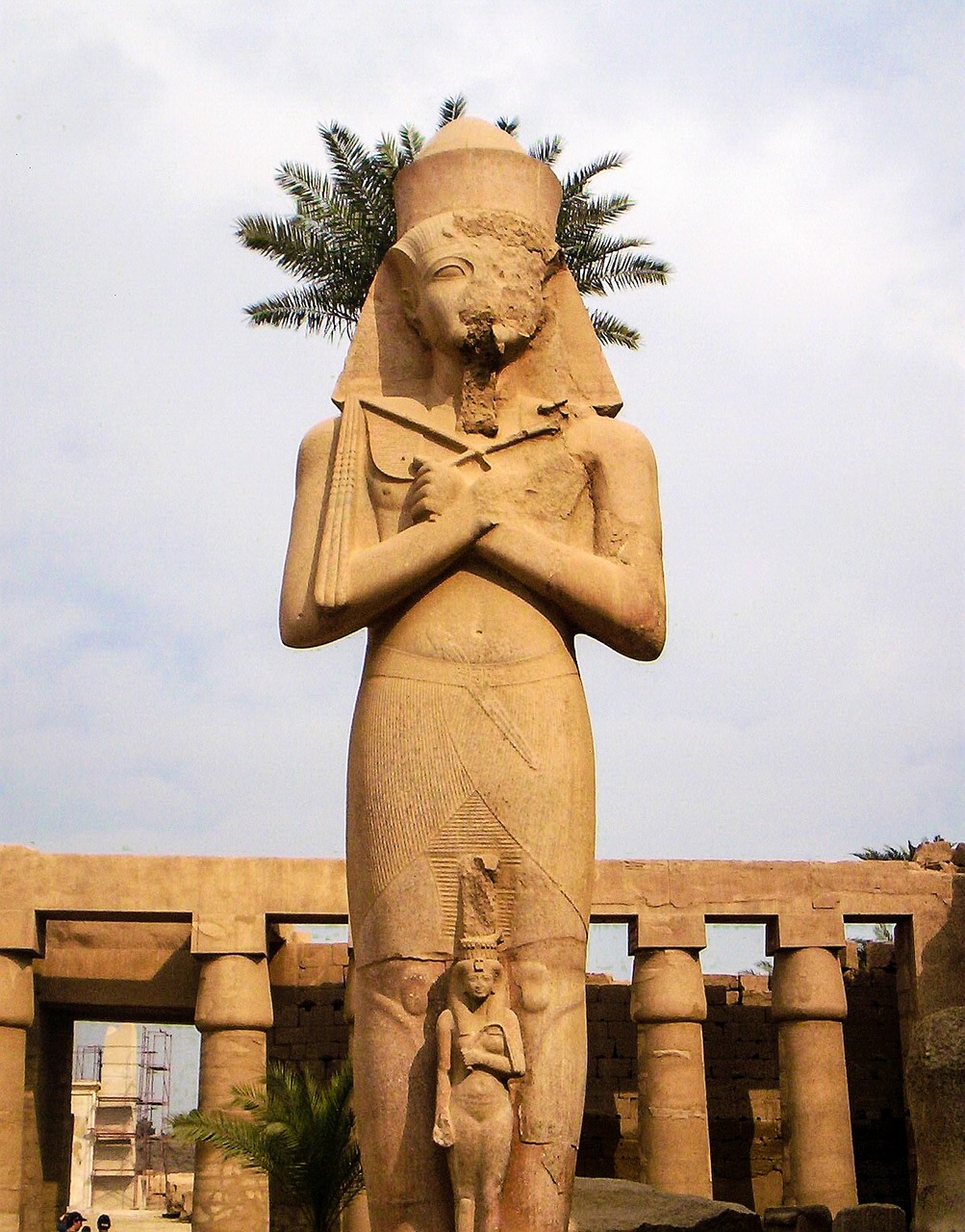
The spread of Bronze Age innovations was closely tied to specific geographical regions, each contributing uniquely to the era's progress. The Fertile Crescent remains the cradle of early metallurgy and writing, while Egypt focused on monumental architecture and centralized governance. Elsewhere, the Chinese Yellow River Valley and the Indus Valley saw advanced urban planning and trade networks flourish.
Society & Culture
Cultural Innovations and Religious Practices
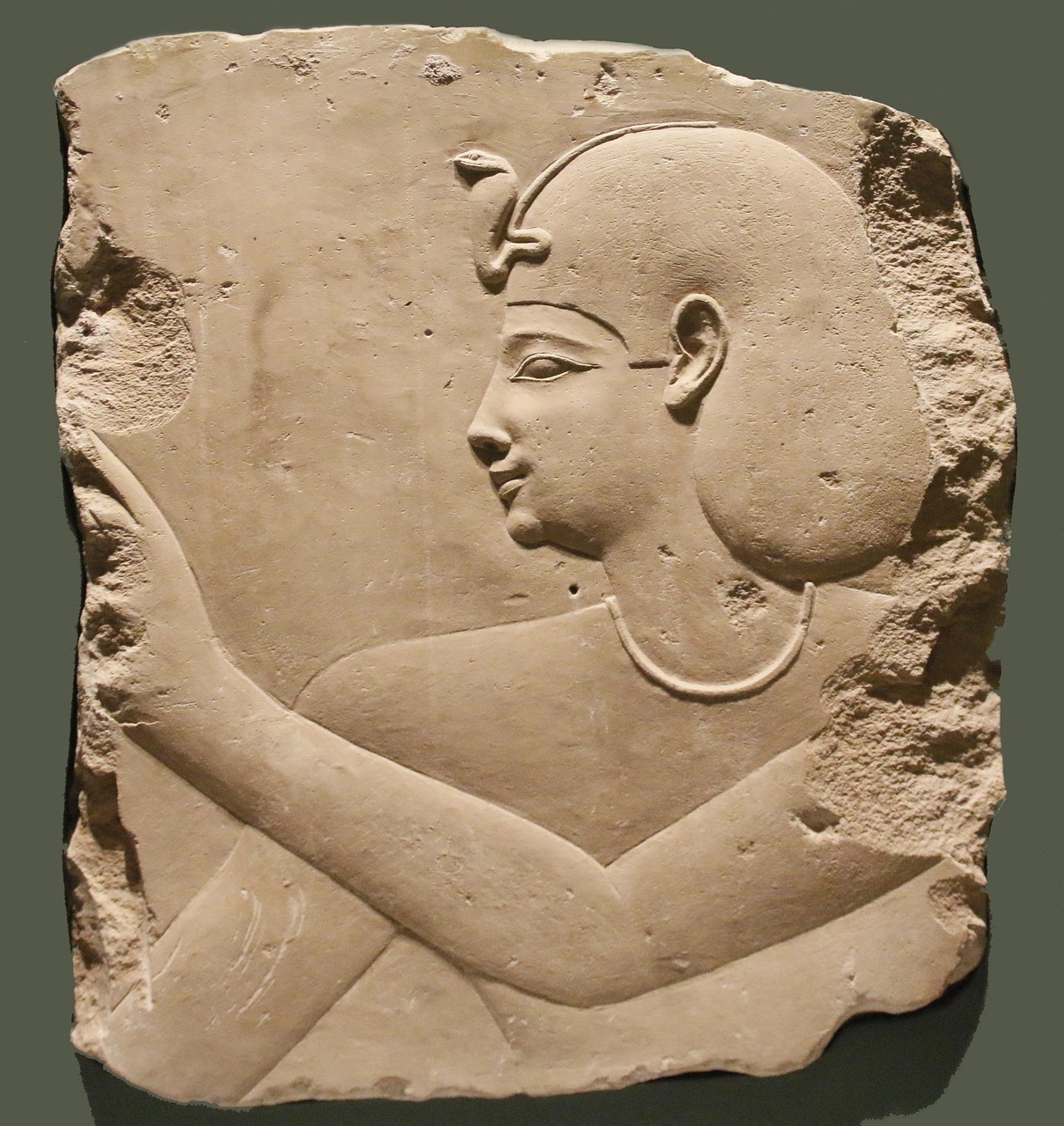
The Bronze Age witnessed the emergence of complex religious systems, ritual practices, and monumental architecture that reflected societal hierarchies and shared beliefs. Religious artifacts, such as amulets and sculptures, reveal a focus on divine authority and the afterlife, influencing societal cohesion.
Social Stratification and Urbanization
New social classes materialized, with elites controlling resources, trade, and religious institutions. Urban centers like Uruk in Mesopotamia and Knossos in Crete became thriving hubs of cultural expression, commerce, and political power, demonstrating advanced societal organization.
Economy & Trade
Technological Advancements in Metalwork
The production of bronze tools and weapons represented a significant technological leap, elevating craftsmanship and enabling new economic activities. Specialized artisans developed techniques such as lost-wax casting, which increased efficiency and product quality.
Trade Networks and Cultural Exchange
Bronze artifacts, raw materials like tin and copper, and luxury goods traded over long distances fostered extensive exchange networks. These interactions facilitated not only economic growth but also cultural diffusion, introducing new ideas, technologies, and artistic styles across regions.
Military & Technology
Innovations in Warfare
Bronze weaponry—swords, spears, and chariots—transformed warfare, prompting organized armies and strategic conflict. Fortifications and defensive structures advanced alongside weapon technology, reflecting rising militarization and societal concerns over security.
Engineering and Construction Techniques
Advances in hydraulic engineering, such as irrigation systems and city wall construction, underscored engineering prowess. Groundbreaking projects, including monumental temples and palaces, demonstrated mastery over large-scale construction and urban planning.
Governance & Law
Centralized Authority and Record-Keeping
Emerging states established centralized governance structures, codified laws, and record keeping—often in clay tablets. This administrative sophistication contributed to resource management, tax collection, and societal stability.
Legal and Ethical Codes
Legal codes, such as the Code of Hammurabi, codified social expectations and justice. These frameworks upheld social order, reinforced authority, and reflected evolving notions of law and morality.
Archaeology & Sources
Our understanding of the Bronze Age rests on archaeological discoveries: city ruins, burial sites, artifacts, and inscriptions. Notable excavations at sites like Ugarit, Mycenae, and Mohenjo-Daro have illuminated the technological and cultural landscape of the era. Literary sources, including the Epic of Gilgamesh and ancient inscriptions, provide contextual insights into societal values and innovations.
Timeline (Bulleted)
- 3300 BCE – Beginning of the Sumerian civilization in Mesopotamia
- 3200 BCE – Development of early writing systems (Cuneiform)
- 3100 BCE – Construction of monumental architecture in Egypt (Djoser’s Step Pyramid)
- 2500 BCE – Rise of the Minoan civilization in Crete
- 2200 BCE – Expansion of trade networks across Eurasia
- 2000 BCE – Introduction of improved metallurgical techniques
- 1600 BCE – Height of the Mycenaean civilization
- 1200 BCE – Transition into the subsequent Iron Age
Debates & Controversies
Scholars debate the origins of bronze metallurgy—whether independently developed or spread through diffusion. Additionally, discussions persist about the causes of the Bronze Age Collapse around 1200 BCE: climate change, invasions, or internal societal upheavals. The precise chronology of technological innovations and their diffusion also remains an ongoing subject of research.
Conclusion
The Bronze Age was a dynamic period marked by groundbreaking innovations that acted as catalysts for societal transformation. From technological advances in metallurgy to complex social and political organization, these changes collectively propelled humanity into a new epoch of cultural and technological achievement. Recognizing the intricacies of this era reveals not just the origins of ancient civilizations but also the enduring legacy of their ingenuity and adaptability.