Introduction to Medieval Period
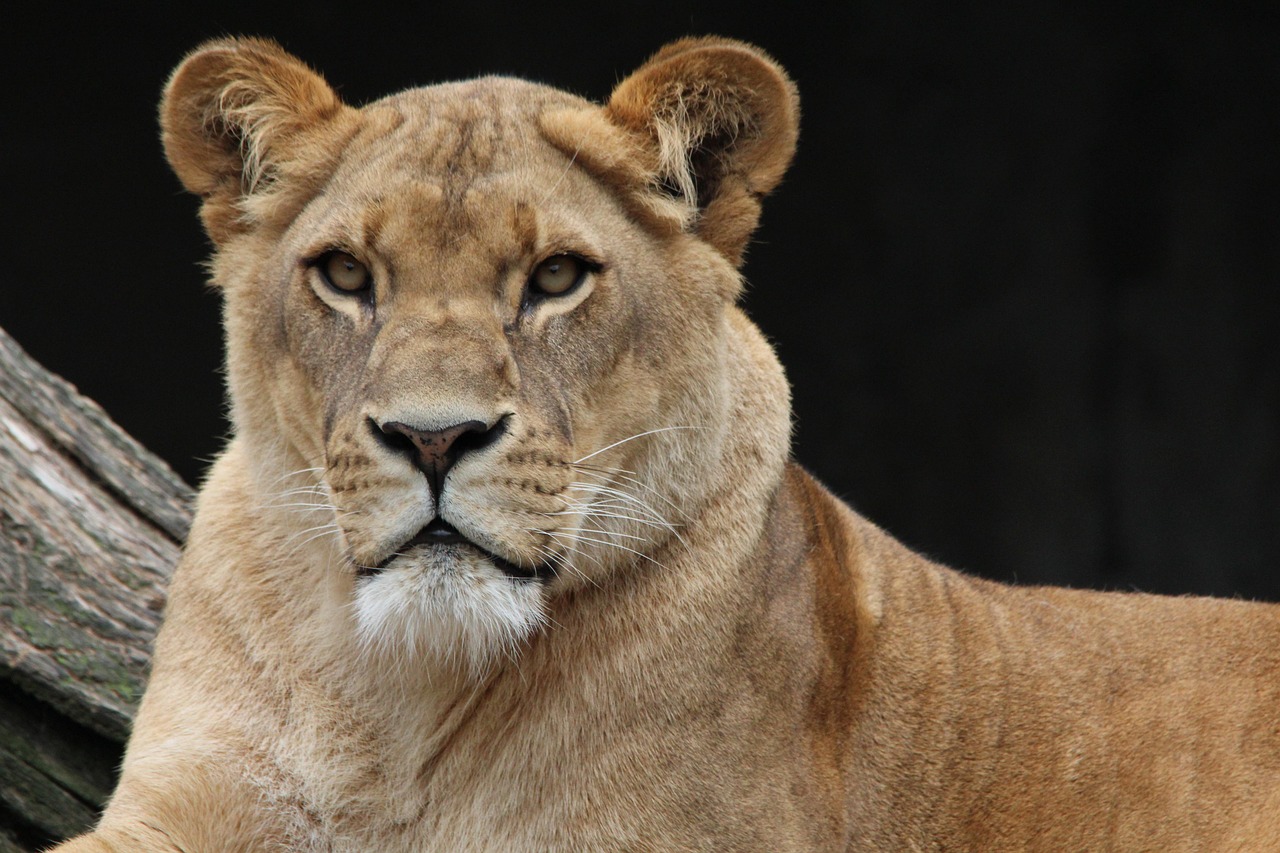
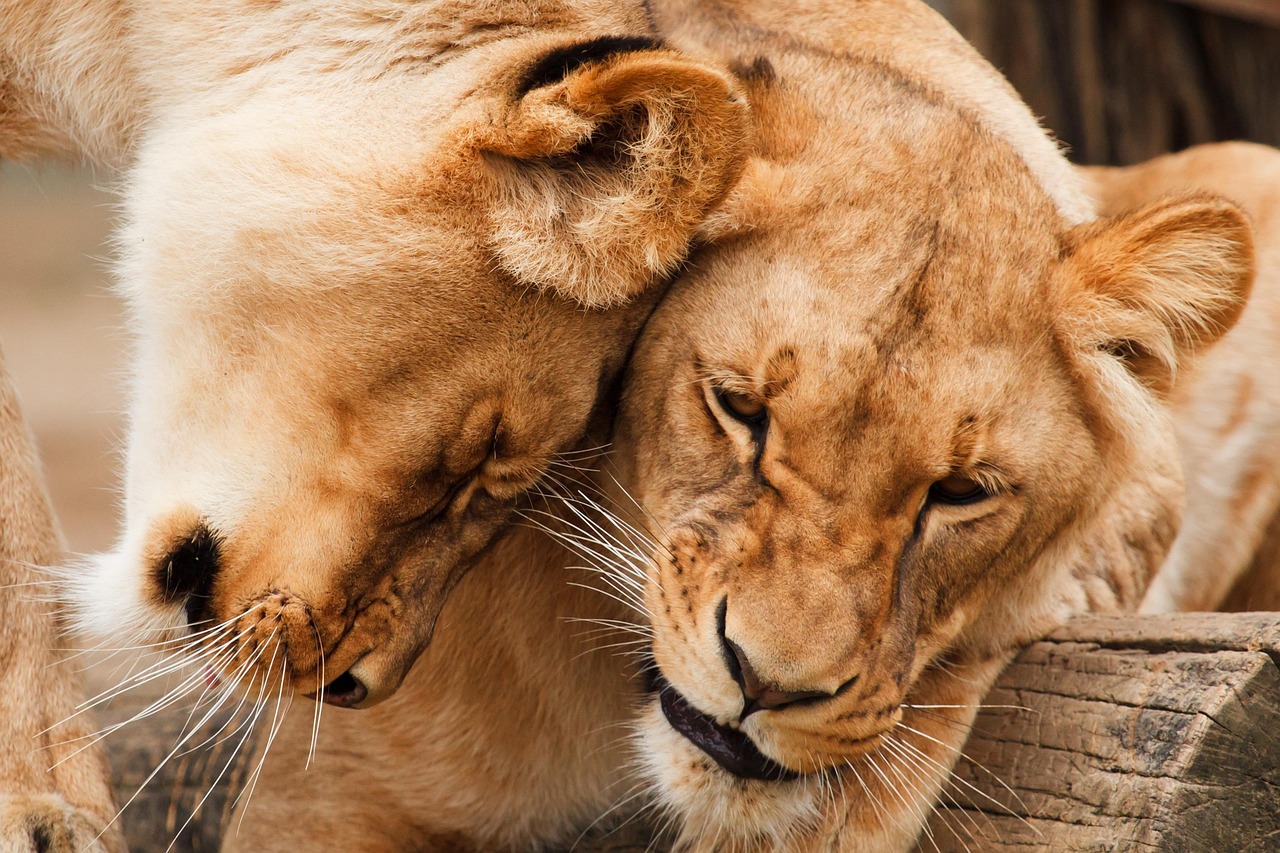
In the annals of medieval history, few figures shine with the brilliance and complexity of Eleanor of Aquitaine. Born into immense wealth and power in 1122, she was no mere consort but a formidable ruler in her own right, destined to wear two crowns and challenge the patriarchal conventions of her age. Her life, spanning nearly eight decades, was a whirlwind of political intrigue, personal drama, and unwavering influence, earning her the moniker 'The Lioness of Aquitaine'—a testament to her fierce spirit and enduring legacy.

The Inheritance of a Duchy and the French Crown
Eleanor's story began in the vibrant, culturally rich Duchy of Aquitaine, a vast territory in southwestern France. Upon the death of her father, William X, in 1137, the fifteen-year-old Eleanor inherited one of the most desirable lands in Europe. Her inheritance made her the most sought-after bride of her generation, and within months, she was married to Louis VII, the heir to the French throne. This union instantly transformed her into Queen of France, bringing Aquitaine under the French crown and dramatically expanding its territories.
As Queen of France, Eleanor brought a sophisticated, lively court culture from Aquitaine to the more austere Parisian court. Her independence and assertiveness, however, often clashed with Louis's monastic temperament. Her participation in the Second Crusade (1147-1149), where she famously rode alongside her husband, dressed in armor, further cemented her reputation as an unconventional monarch. The crusade was largely a failure, and the strains on their marriage became unbearable. In 1152, after fifteen years and two daughters, their marriage was annulled on grounds of consanguinity—a decision that shocked Europe and freed Eleanor to make her own destiny.
The Angevin Empire and the English Crown
Eleanor, still Duchess of Aquitaine and one of the wealthiest women in Europe, wasted no time. Just eight weeks after her annulment, she married Henry Plantagenet, Duke of Normandy and Count of Anjou, who was eleven years her junior. This audacious move was a calculated political stroke. When Henry ascended to the English throne as Henry II in 1154, Eleanor became Queen of England, solidifying an empire that stretched from the Scottish borders to the Pyrenees—the vast Angevin Empire.
This second marriage was initially a dynamic partnership, producing eight children, including the future kings Richard the Lionheart and John. Eleanor played an active role in governing the Angevin territories, particularly Aquitaine, where she maintained her own court and exercised considerable authority. However, Henry's numerous infidelities and increasingly autocratic rule eventually strained their relationship. Eleanor, ever the independent spirit, grew resentful of her diminishing influence and Henry's attempts to control her and her lands.
The Great Revolt and Imprisonment
The simmering tensions between Eleanor and Henry erupted into open conflict in 1173. Frustrated by their father's refusal to grant them independent rule, Eleanor's sons—Henry the Young King, Richard, and Geoffrey—launched a massive rebellion against Henry II. Eleanor, believing her husband had usurped her rightful authority over Aquitaine and seeking to empower her sons, actively encouraged and supported their revolt. She even rode through France, rallying support for her sons against their father.
The Great Revolt, as it became known, was a devastating conflict that threatened to tear apart the Angevin Empire. Ultimately, Henry II crushed the rebellion, and Eleanor, caught attempting to flee to France disguised as a man, was captured. For her role in inciting her sons, Henry imprisoned her, first in Chinon and then in various castles across England, for the next fifteen years. This period of captivity, a stark contrast to her earlier freedom, only served to highlight her indomitable spirit; even in confinement, her name resonated throughout Europe.
Regency, Power, and Legacy
Eleanor's fortunes turned with Henry II's death in 1189. Her favorite son, Richard the Lionheart, ascended to the throne and immediately released his mother. At 67, Eleanor emerged from captivity with her political acumen undimmed. She became a vital force in Richard's reign, acting as regent during his absence on the Third Crusade and skillfully managing the kingdom's affairs, including raising his ransom when he was captured. Her diplomatic prowess was instrumental in securing Richard's release and maintaining stability in England.
Even after Richard's death and the ascension of her youngest son, John, Eleanor continued to exert influence. She traveled extensively, negotiated treaties, and secured alliances, particularly in Aquitaine, where she remained a revered figure. Her final significant act was to ensure the succession of her grandson, Louis VIII of France, to the English throne, a strategic move that helped secure the future of her beloved Aquitaine.
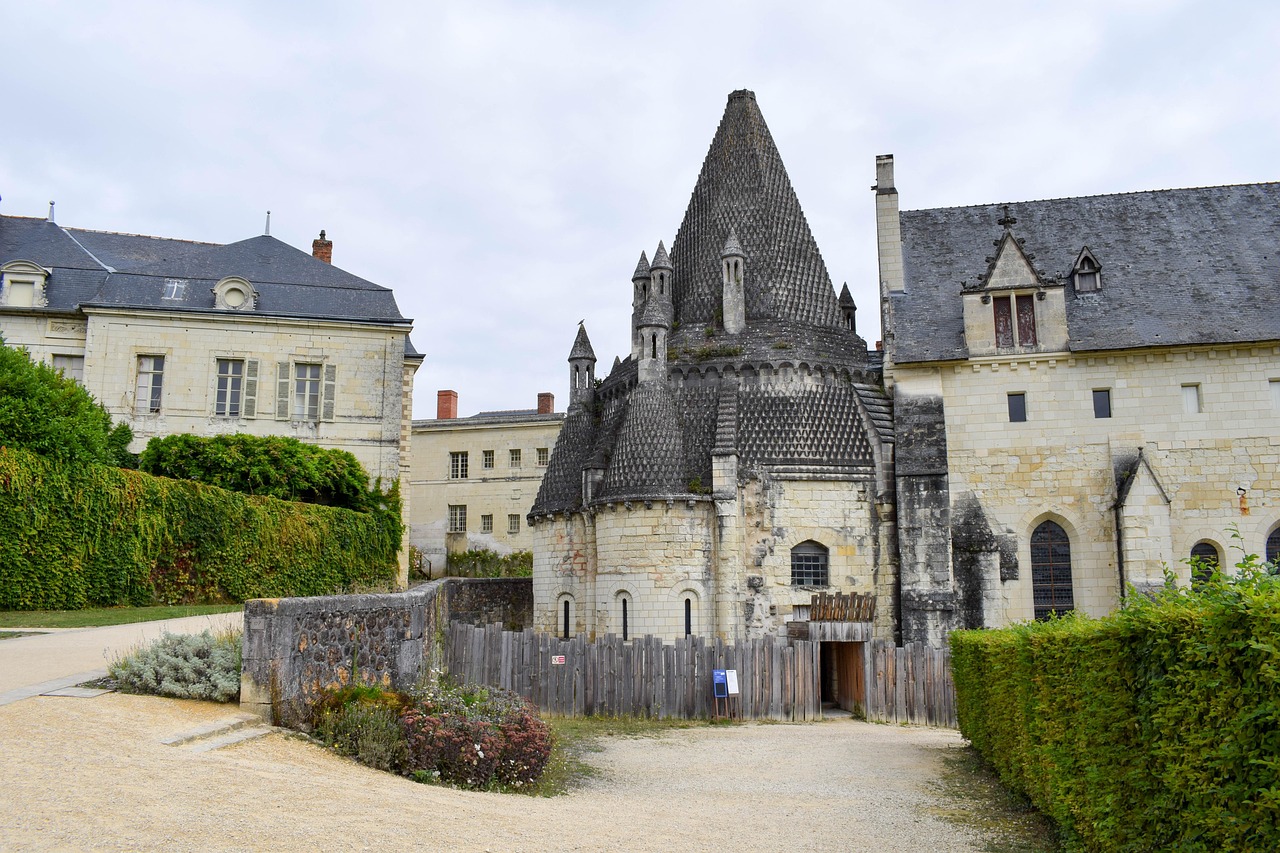
Eleanor of Aquitaine died in 1204 at the venerable age of 82, outliving nearly all her children and both her husbands. She was buried at Fontevraud Abbey alongside Henry II and Richard the Lionheart. Her life stands as a testament to female power and resilience in an age dominated by men. She was a patron of the arts, a political mastermind, a queen, a mother, and a rebel—a true 'Lioness' whose unruly reign across two kingdoms forever altered the course of European history and left an enduring legacy of strength, intellect, and defiance.