In the heart of Tuscany, a city of unparalleled beauty and intellectual fervor emerged during the 15th century, forever changing the course of Western civilization. Florence, the cradle of the Renaissance, owes much of its incandescent glow to a single, powerful family: the Medici. Far from being mere patrons, the Medici were shrewd bankers whose financial acumen laid the very foundation for an artistic explosion, demonstrating that sometimes, the greatest masterpieces are built not just with chisels and brushes, but with ledgers and gold.

The Rise of the Medici Bank: A Foundation of Fortune
The story of the Medici begins not in gilded palaces, but in the bustling marketplace. Starting as wool merchants, the family transitioned into banking in the late 14th century, quickly establishing themselves as formidable financiers. Under the astute leadership of Giovanni di Bicci de' Medici, and later his son Cosimo de' Medici (known as Cosimo the Elder), the Medici Bank grew into the most powerful financial institution in Europe. It boasted branches across major cities like Rome, Venice, London, and Bruges, handling the finances of popes, kings, and merchants alike.
Their success wasn't merely due to scale; it was built on innovation. The Medici perfected the use of bills of exchange, enabling safer and more efficient international transactions, and were pioneers in double-entry bookkeeping. Their vast network provided not only immense wealth but also unparalleled political influence. While Florence was nominally a republic, the Medici, through their financial leverage and popular support, effectively ruled the city from behind the scenes, ensuring stability and prosperity – crucial ingredients for cultural flourishing.
Patronage: The Art of Investment
With their coffers overflowing, the Medici family embarked on a systematic and strategic program of artistic patronage. This wasn't charity; it was a deliberate investment in their legacy, their power, and the glory of Florence itself. Cosimo de' Medici, a man of profound learning and taste, understood that art could elevate a city and immortalize a family name. He famously declared, "Fifty years from now, my name will be remembered for my buildings, not for my money."
Under Cosimo, and even more so under his grandson Lorenzo de' Medici, known as Lorenzo the Magnificent, Florence became a magnet for the greatest minds and talents of the age. Lorenzo, a poet, philosopher, and diplomat, personally fostered artists, writers, and scholars, creating an environment where genius could thrive. His court was a veritable academy, nurturing figures who would define the Renaissance:

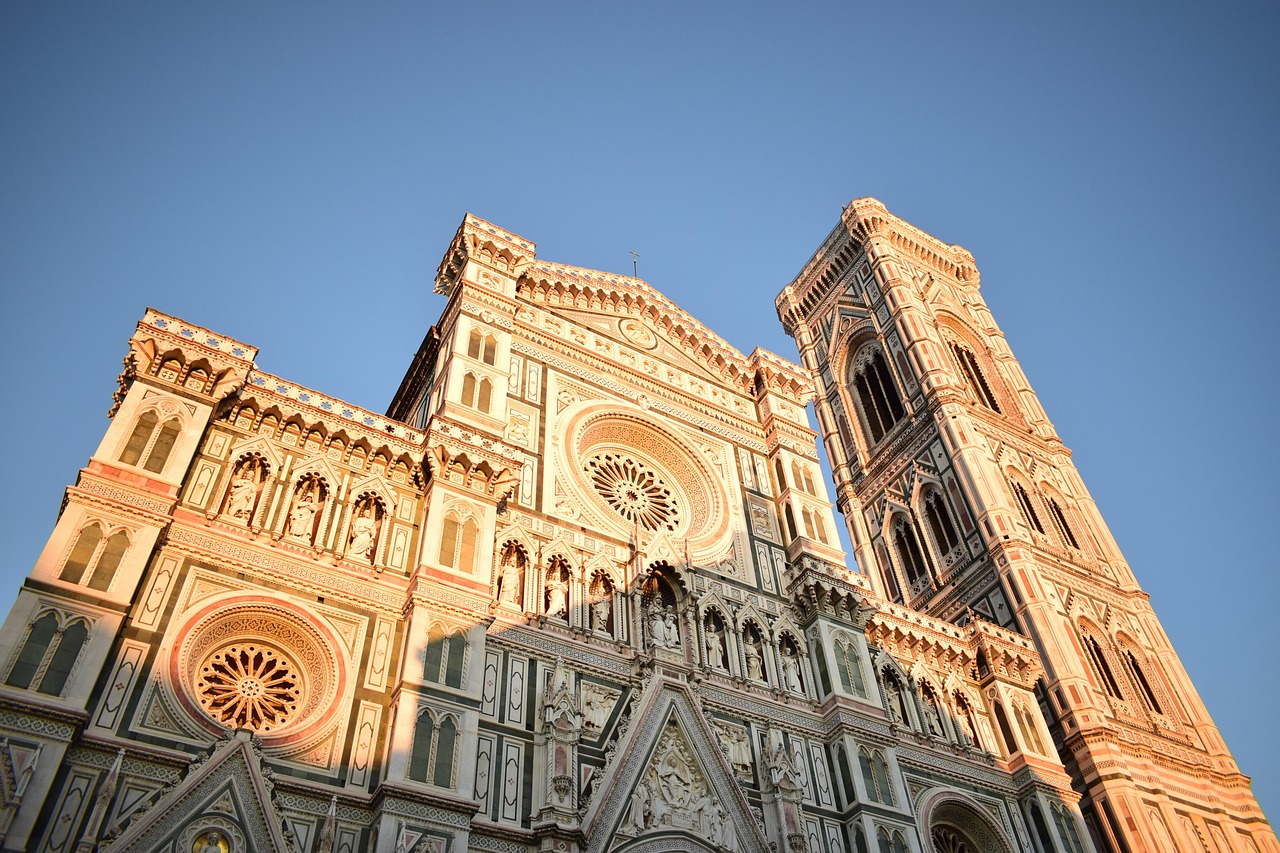
- Filippo Brunelleschi: It was a Medici-backed competition that led to Brunelleschi's revolutionary design for the dome of Florence Cathedral, a feat of engineering that defied gravity and inspired awe.
- Donatello: The Medici commissioned Donatello's bronze David, the first freestanding nude sculpture since antiquity, a powerful symbol of Florentine republicanism and classical revival.
- Sandro Botticelli: Lorenzo's patronage directly led to Botticelli's iconic masterpieces like The Birth of Venus and Primavera, works imbued with Neoplatonic philosophy favored by the Medici circle.
- Michelangelo Buonarroti: As a young prodigy, Michelangelo lived and studied in the Medici palace under Lorenzo's direct tutelage, gaining access to classical sculptures and receiving an education that would shape his monumental career.
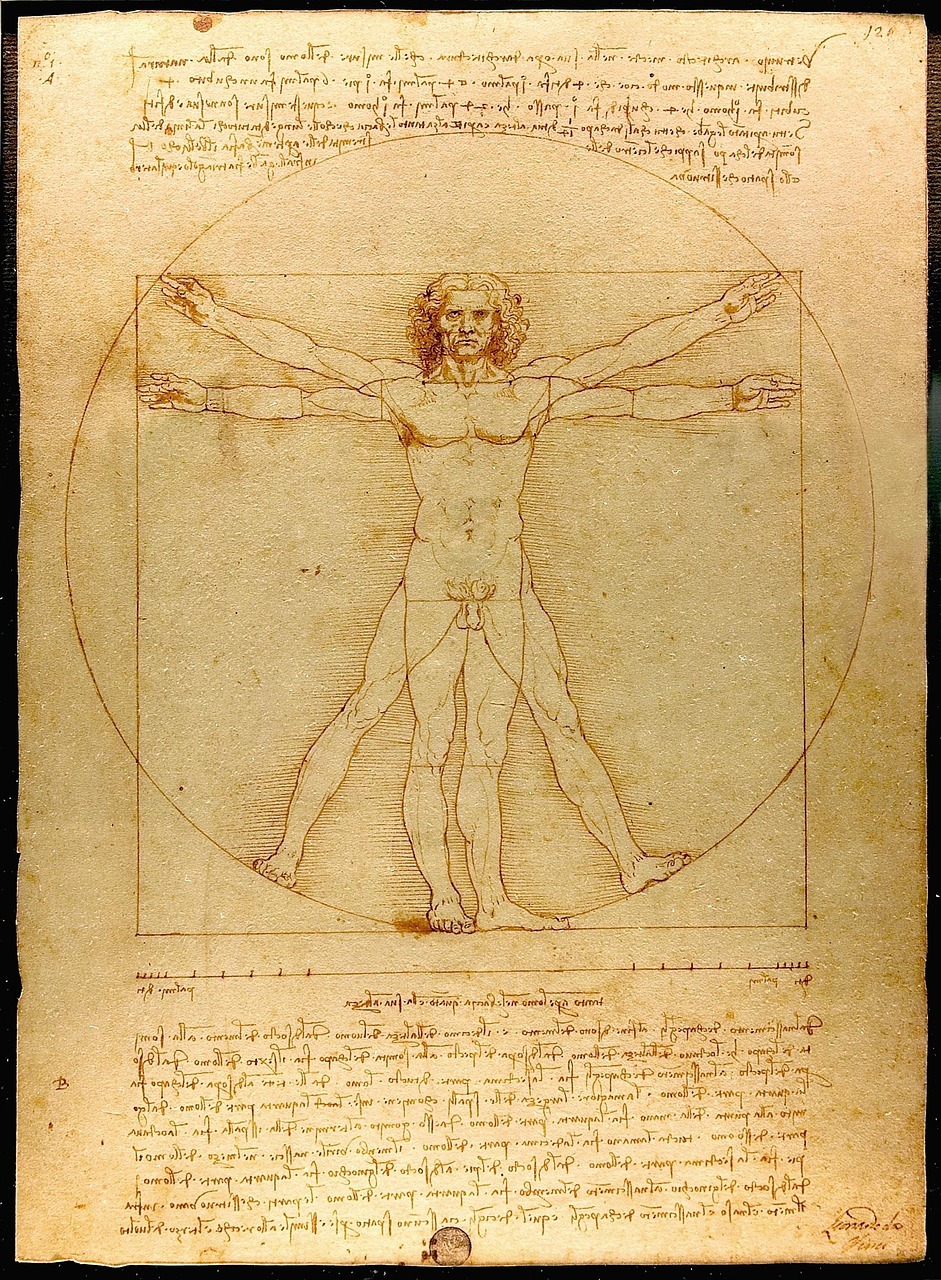
- Leonardo da Vinci: Though he would later seek patronage elsewhere, Leonardo's early career was deeply influenced by the artistic environment cultivated by the Medici in Florence.
Florence Transformed: A City of Beauty and Intellect
The impact of Medici patronage extended beyond individual masterpieces. They funded libraries, academies, and public works, transforming Florence into an architectural marvel and an intellectual powerhouse. The Palazzo Medici Riccardi, their family residence, became a blueprint for Renaissance palazzi, filled with art and serving as a hub for humanists and philosophers. The Medici gardens were adorned with classical sculptures, inspiring artists and fostering a renewed appreciation for antiquity.
This deliberate cultivation of culture created a virtuous cycle. The city's beauty attracted more talent, its intellectual vibrancy fostered new ideas, and its reputation drew visitors and wealth. Florence became the crucible where humanism, classical revival, and groundbreaking artistic techniques converged, giving birth to a new era of human achievement.
A Lasting Legacy: Beyond Gold and Canvas
The Medici's reign eventually waned, but their legacy endured. Their banking fortune, meticulously managed and strategically deployed, did more than just fund art; it fundamentally shaped the identity of Florence and, by extension, the entire Renaissance. They proved that economic power, when channeled with vision and taste, could be the ultimate catalyst for cultural revolution. The magnificent dome of Brunelleschi, the serene beauty of Botticelli's goddesses, and the raw power of Michelangelo's sculptures stand today not just as testaments to individual genius, but as enduring monuments to the Medici's masterpiece: a golden age built on the foundations of banking.