The Renaissance, spanning roughly from the 14th to the 17th century, was a remarkable period of renewed interest in art, science, and human achievement. It marked a departure from the medieval focus on sacred thoughts towards a more human-centered approach, fostering innovations that profoundly influenced Western civilization.

Artistic Breakthroughs and Iconic Works
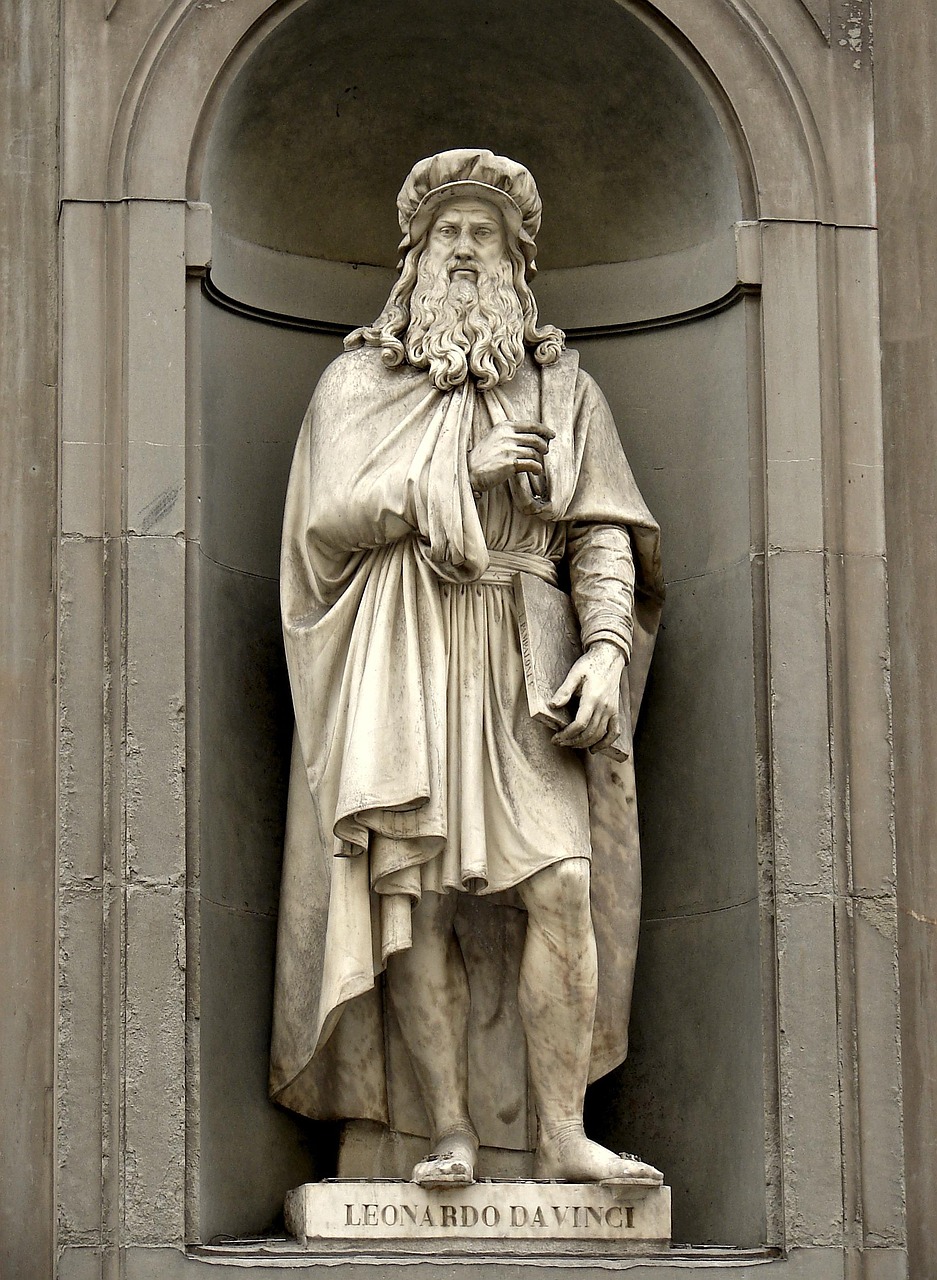
This era produced some of the most celebrated artworks in history, with artists like Leonardo da Vinci and Michelangelo pushing the boundaries of creativity. Their masterpieces, such as the Mona Lisa and the Sistine Chapel ceiling, exemplify a mastery of realism, perspective, and emotion that set new standards for artistic expression.
Scientific Inquiry and Discovery
Beyond art, the Renaissance sparked a scientific revolution. Thinkers like Copernicus and Galileo challenged long-held ideas, paving the way for modern astronomy and physics. This shift towards empirical observation and experimentation laid the groundwork for future scientific exploration.

Cultural and Societal Changes
The revival of classical texts and philosophies led to a blossoming of literature, philosophy, and education. Printing presses facilitated the dissemination of knowledge, making information more accessible and encouraging critical thinking across wider populations.
Legacy and Modern Influence
The influence of the Renaissance is evident in contemporary art, science, education, and even political thought. It remains a symbol of how curiosity, creativity, and resilience can transform societies and redefine what it means to be human.