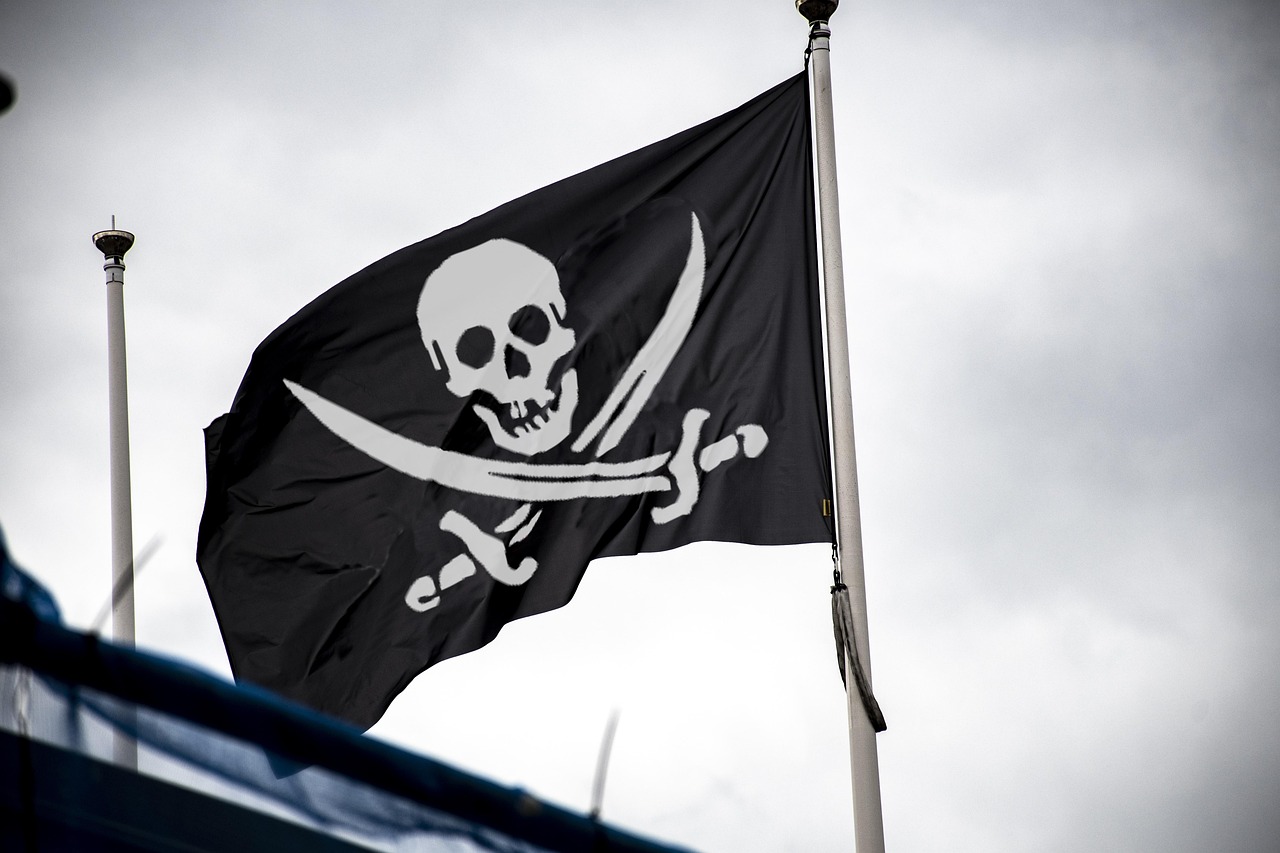
The Caribbean in the early 18th century was a hotbed of piracy, a perilous frontier where lawlessness and adventure intertwined. Amidst this chaos, two women defied societal expectations and traditional gender roles to become some of the most notorious pirates of their era: Anne Bonny and Mary Read. Their stories not only thrill but also challenge perceptions of gender and power during a tumultuous period in maritime history.

Background
Anne Bonny and Mary Read are among the most famous female figures in piracy history, often romanticized as symbols of rebellion and defiance against gender roles prevalent during the early 18th century. Their stories intertwine with the turbulent era of Caribbean piracy, a period marked by rampant lawlessness, maritime warfare, and the exploitation of colonial trade routes.
Anne Bonny was born around 1700 in Ireland, of noble descent, but her rebellious spirit led her to seek adventure on the high seas. Mary Read, born circa 1690 in England, was raised in military and pirate environments, often disguising herself as a man to survive and thrive in a male-dominated maritime world. Both women’s narratives challenge the typical maritime profile associated with pirates, who are predominantly depicted as male.
Geography
The Caribbean Sea served as the epicenter of piracy during the early 18th century, with notorious hubs spanning the Bahamas, Jamaica, Tortuga, and the eastern coast of Hispaniola. The region's numerous islands created a labyrinthine network of hideouts and bases, conducive to piracy activities.
Anne Bonny and Mary Read's exploits are primarily associated with Nassau, a notorious pirate haven in the Bahamas, and the waters surrounding modern-day Cuba and the Lesser Antilles. These areas provided strategic advantages such as shallow bays and hidden coves, facilitating the pirates’ swift escapes and secret meetings.
Society & Culture
Society aboard pirate ships was, paradoxically, more egalitarian than contemporary colonial societies. Pirates practiced a form of proto-democratic governance through articles of agreement, voting, and shared booty, which sometimes appealed to women seeking emancipation from traditional gender roles.
Anne Bonny’s assertion of her independence and participation in combat challenged societal expectations. Mary Read, often disguised as a man, embodied the fluidity of gender identity in a maritime context. Their stories reflect the complex intersections of gender, power, and resistance in pirate culture.
Economy & Trade
Pirate activity thrived on the disruption of Atlantic trade routes, especially during the War of Spanish Succession (1701–1714). Pirates targeted merchant vessels carrying valuable commodities like gold, silver, textiles, and spices. The loot was divided according to mutually agreed shares, providing wealth to pirates who often invested in other economic activities or simply enjoyed rebellious lifestyles.
Anne Bonny and Mary Read’s maritime exploits often focused on intercepting ships belonging to colonial powers or rival nations, which contributed to the destabilization of regional commerce and challenged the dominance of European mercantile interests in the Caribbean.
Military & Technology
Pirate ships were typically equipped with small, nimble vessels like sloops and brigantines, which allowed rapid maneuvering. The arms used ranged from cutlasses and pistols to cannons, with pirates often improvising with captured weapons.
Both Anne Bonny and Mary Read participated in combat, with some accounts suggesting Bonny wielded weapons in battles alongside her male counterparts. Their participation exemplifies how pirates harnessed military technology to overpower ships and engage in boarding actions, reflecting a fierce combat ethos uncommon among female figures in maritime history.
Governance & Law
During their piracy careers, figures like Anne Bonny and Mary Read operated outside formal legal systems. Pirates established their own codes, which included rules about sharing loot, discipline, and conduct.
However, once captured, pirates faced brutal punishments: hanging was a common fate. Their stories become especially poignant due to the contrast between the legal persecution of pirates and their celebrated status as rebels or anti-authoritarian figures in popular narratives.
Archaeology & Sources
Much of what is known about Anne Bonny and Mary Read derives from court transcripts, contemporary chronicles, and pirate lore. Physical archaeological evidence, such as shipwrecks and artifacts, provides tangible connections to piracy in the Caribbean, yet direct links to these women remain elusive.
Artifacts like weaponry, personal possessions, or ship remnants can illuminate aspects of the pirate lifestyle, but the legends surrounding Bonny and Read are primarily built upon written accounts and popular stories, which often romanticize or dramatize their exploits.
Timeline
- 1700s: Anne Bonny born in Ireland, Mary Read in England.
- 1720s: Both women become involved in piracy in the Caribbean.
- 1720: Their association with Calico Jack Rackham’s crew begins.
- 1720-1721: Captured and tried for piracy; their stories garner sensational attention.
- 1721: Anne Bonny's disappearance from public records; Mary Read dies in prison.
- Modern era: Stories of their exploits influence popular culture and historical debates.
Debates & Controversies
Scholars debate the accuracy of the narratives surrounding Anne Bonny and Mary Read, questioning whether their stories have been romanticized or exaggerated over centuries. Some argue their existence was largely mythologized, serving as symbols of female defiance in a male-dominated narrative of piracy.
Others suggest their stories reflect the complex realities of gender and identity during the early 18th century, highlighting how women navigated and manipulated societal constraints through piracy.
Conclusion
Anne Bonny and Mary Read are more than figures of legend; they embody the tumult, complexity, and defiance of their time. Through their daring acts and tumultuous lives, they challenged social conventions and crafted enduring stories that continue to captivate and inspire. Their place in Caribbean piracy lore underscores the broader narrative of rebellion, gender fluidity, and the pursuit of freedom on the high seas.