The name Cleopatra conjures images of power, beauty, and tragedy. As the last pharaoh of Egypt, her life was a whirlwind of political intrigue, passionate alliances, and ultimately, a dramatic fall from grace. Her death in 30 BCE, following the defeat of her forces and those of her Roman lover Mark Antony by Octavian (later Augustus), is one of history's most iconic suicides. Yet, the precise details of her final moments, particularly the famous story of the asp, remain steeped in a blend of historical accounts and enduring myth, shaping her legend for over two millennia.
The Fall of a Dynasty: Context of Cleopatra's End
Cleopatra VII Philopator ruled Egypt for over two decades, navigating the treacherous waters of Roman expansion. Her alliances with Julius Caesar and later Mark Antony were strategic attempts to preserve her kingdom's independence and the Ptolemaic dynasty's power. However, the decisive Battle of Actium in 31 BCE shattered these hopes. The naval defeat against Octavian's forces was a catastrophic blow, leading to Antony's subsequent suicide in Alexandria, believing Cleopatra had already perished.
With Antony dead and Octavian's legions at the gates of Alexandria, Cleopatra found herself cornered. She was captured but held in relative comfort, as Octavian hoped to parade her as a trophy in his triumphal procession in Rome. For a queen who had wielded immense power and captivated two of Rome's most influential men, such a humiliation was unthinkable. Her final act was not merely an escape from capture but a defiant assertion of her sovereignty, even in death.
The Asp's Embrace: The Traditional Narrative
The most widely accepted and romanticized account of Cleopatra's death comes primarily from the Greek historian Plutarch, writing over a century after the event. According to Plutarch, after Octavian denied her request to be buried with Antony, Cleopatra prepared for her end. She secured a basket of figs, within which, unbeknownst to her Roman guards, lay a deadly asp – a venomous Egyptian cobra.
Dressed in her royal regalia, she allowed the serpent to bite her, either on her arm or breast. Her two loyal handmaidens, Iras and Charmion, reportedly died by her side. When Octavian's men finally burst into her chambers, they found her lifeless, still adorned in her queenly attire, with Charmion adjusting her diadem in her final moments. This narrative paints a picture of a queen choosing her own destiny, embracing a symbolic death that connected her to the divine serpents of Egyptian mythology.
Historical Scrutiny: Was it Really an Asp?
While Plutarch's account is compelling, modern historians and toxicologists have raised questions about its absolute accuracy. The asp, or Egyptian cobra (Naja haje), delivers a neurotoxic venom that typically causes paralysis and respiratory failure, a slow and agonizing death that could take several hours. This contradicts the swift and serene passing often depicted in art and literature, and implied by Plutarch's narrative.
Furthermore, it's questioned how a deadly snake could be smuggled in a basket of figs without harming anyone else or being discovered. Some theories suggest Cleopatra might have used a potent, fast-acting poison, perhaps one she had experimented with on prisoners. Other possibilities include a different, smaller, and more easily concealed venomous snake, or even a self-inflicted wound with a poisoned implement. The asp, however, offered a powerful symbolic resonance: it was associated with royalty and divinity in ancient Egypt, often depicted on pharaohs' crowns (the uraeus). Dying by its bite would have been a profoundly Egyptian, rather than Roman, end.
The Power of Myth: Cleopatra in Art and Literature
Regardless of the precise biological mechanism, the image of Cleopatra dying by the asp's bite has become indelibly etched into the collective consciousness. This narrative provided fertile ground for artists, writers, and playwrights across centuries. William Shakespeare's Antony and Cleopatra immortalized the scene, depicting her death as a noble, almost erotic union with the serpent, transforming her into a tragic heroine rather than a defeated enemy.
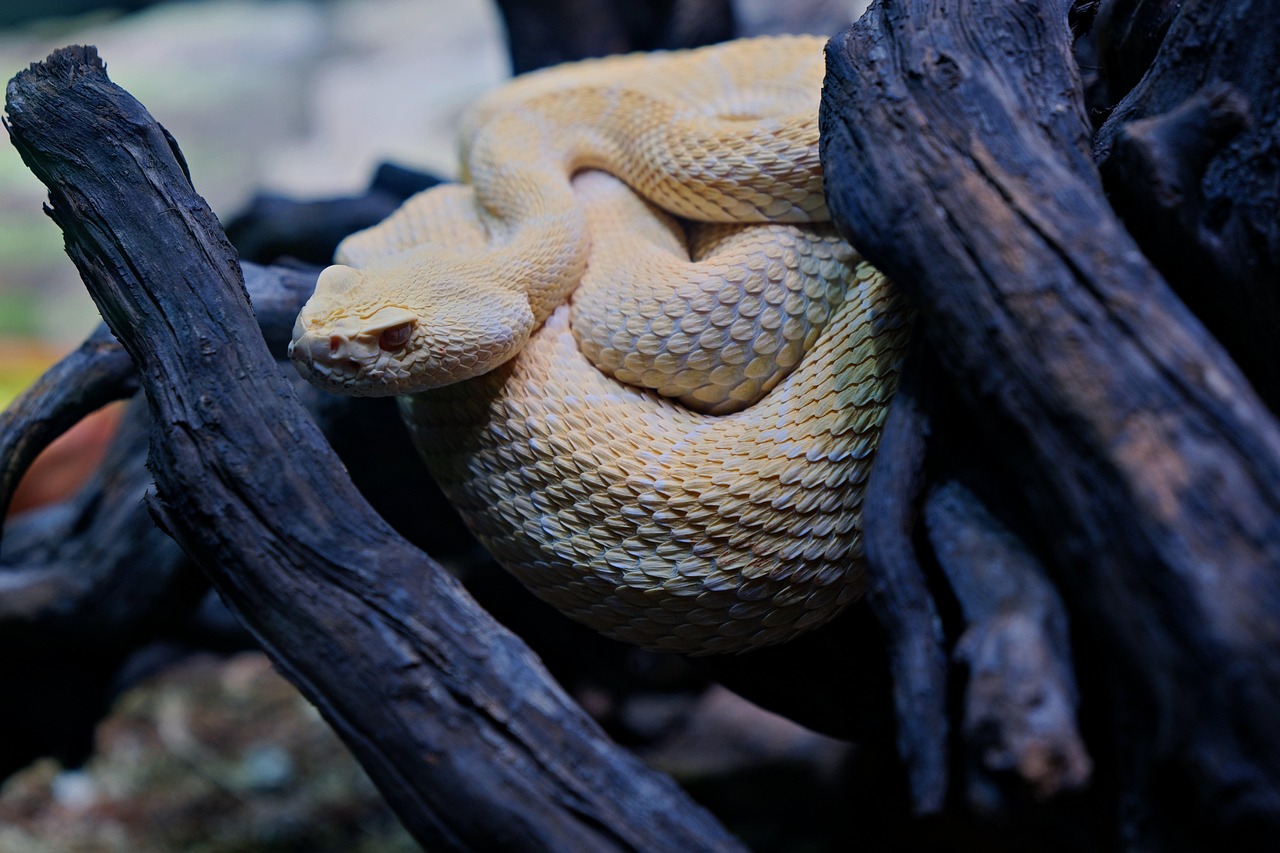
From Dryden's All for Love to countless operas, paintings, and films, the asp has been central to Cleopatra's posthumous fame. Artists like Guido Reni, Jean-Baptiste Regnault, and John William Waterhouse have all depicted the queen in her final moments, often with a bare breast and a small serpent, emphasizing both her vulnerability and her regal defiance. This romanticization has often overshadowed the complex political realities of her life, focusing instead on her dramatic love affairs and her legendary death.
A Queen's Legacy: The Immortal Serpent
Cleopatra's final act, whether precisely by asp or another means, secured her immortality. By choosing suicide, she denied Octavian his ultimate triumph and cemented her image as a queen who would rather die than be subjugated. Her death marked the end of the Hellenistic period and the rise of the Roman Empire, but it also birthed a legend that transcends historical fact.
The Serpent of the Nile, as she was often called, continues to fascinate. Her story is a testament to the power of narrative and how historical events, once filtered through cultural interpretation, can evolve into enduring myths. Cleopatra's final embrace of the asp, real or imagined, remains a potent symbol of defiance, passion, and the eternal allure of a queen who dared to challenge the might of Rome, even in her last breath.