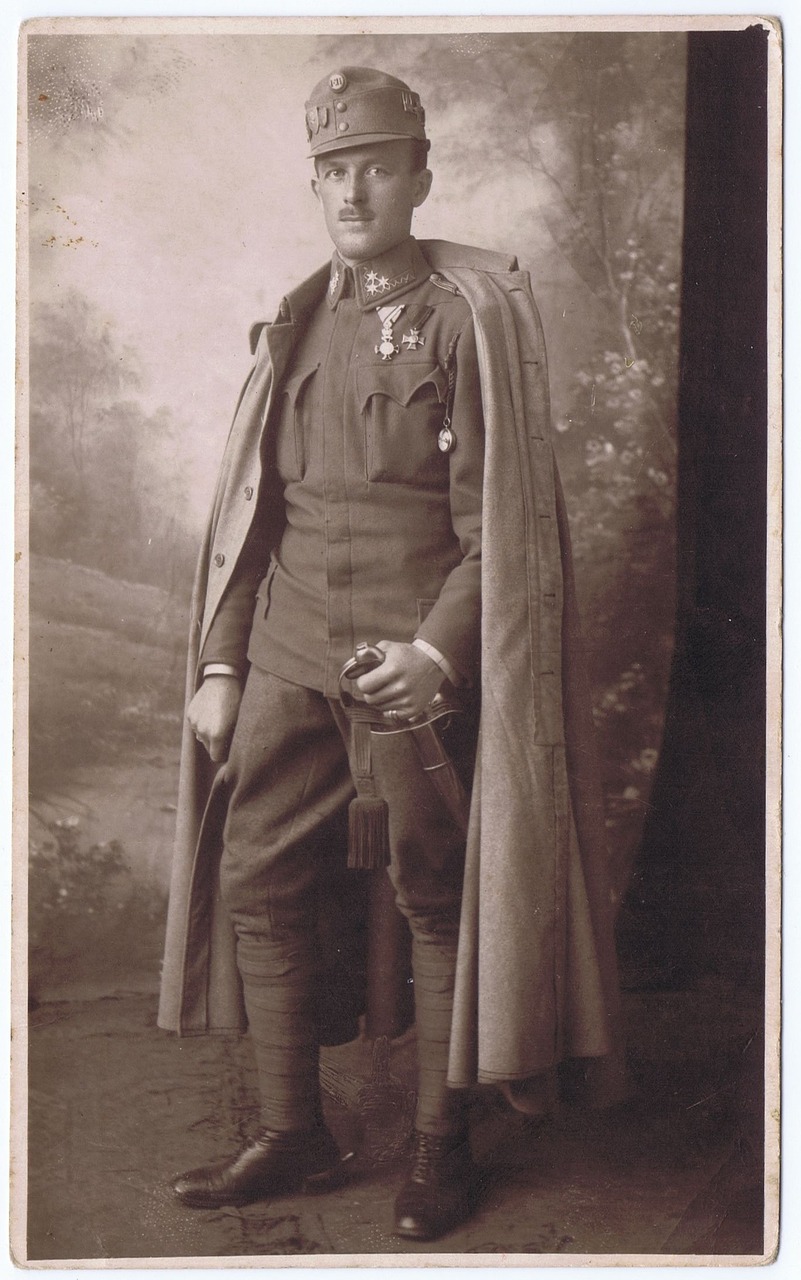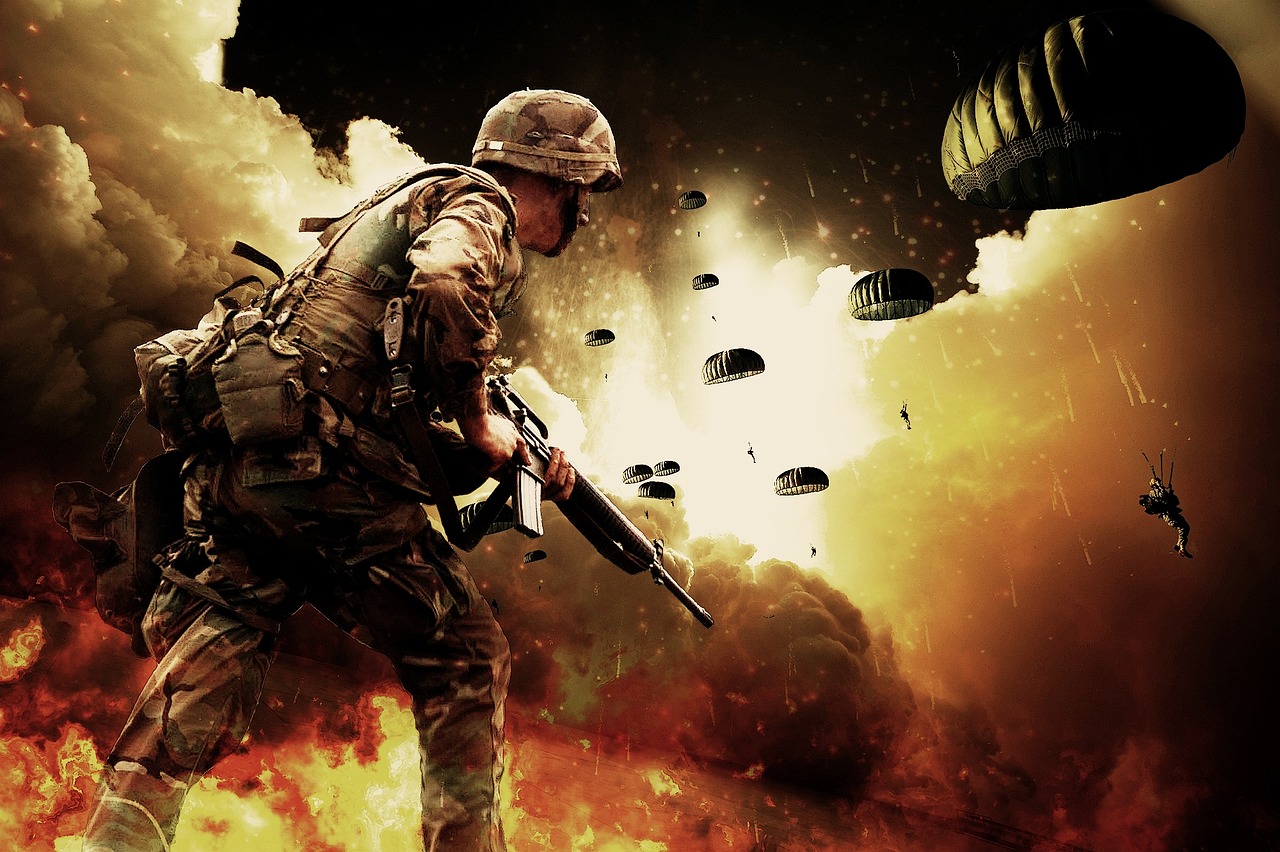
The history of the 20th century is punctuated by two monumental conflicts that redefined the nature of warfare and international relations. The World Wars were not only battles of armies but also laboratories of innovation, with shifts in strategy, technology, and geopolitical tactics reshaping how nations engaged in combat and diplomacy.
Introduction
The landscape of modern warfare, shaped predominantly by the two catastrophic global conflicts of the 20th century—the First World War and the Second World War—serves as a testament to the complex interplay of military strategy, technological innovation, societal change, and geopolitical dynamics. Understanding how these conflicts evolved offers insights not only into the nature of war itself but also into the mechanisms that drive societal transformation during times of crisis.
Background
Origins and Preconditions
The onset of the First World War, ignited by a web of alliances, nationalistic fervor, and militarism, soon cascaded into a conflict of unprecedented scale. The Treaty of Versailles, post-World War I, and the geopolitical upheavals set the stage for another devastating global conflict. The Second World War was fueled by unresolved issues from the first, economic instability, totalitarian regimes, and the global arms race.
Pre-War Military Doctrine and Strategies
Prior to these wars, military doctrines were largely based on linear trench warfare, traditional formations, and limited technological scope. These strategies persisted, but was soon overshadowed by rapid innovations leading to more dynamic and devastating forms of combat.
Geography
Contested Regions and Frontlines
The geography of the World Wars was crucial in shaping military campaigns. Europe remained the focal point, with the Western and Eastern frontlines illustrating contrasting terrains and strategic challenges. The Pacific Theater introduced naval and island-hopping strategies, emphasizing sprawling oceanic geography.
Impact of Geography on Warfare Evolution
Terrain influenced tactics—mountains, rivers, and urban landscapes dictated movement, fortification, and ambush strategies. Control of key geographic chokepoints like the Strait of Gibraltar or the English Channel became central to strategic planning.
Society & Culture
Mobilization and Societal Shifts
War mobilization transformed societies, embedding total war concepts where economies, populations, and industries aligned towards conflict. Women's roles expanded significantly, especially in manufacturing and support roles, revolutionizing gender norms.
Propaganda and Public Perception
State-controlled propaganda shaped public opinion, demonized enemies, and fostered national unity. Cultural shifts, including art, literature, and music, reflected and influenced wartime sentiments.
Economy & Trade
Economic Warfare and Resource Allocation
Wars imposed enormous economic demands. Blockades, embargoes, and resource rationing became tools of economic warfare. The shift to wartime economies spurred developments in industrial capacity and technological innovation.
Post-War Economic Impact
Reconstruction, debt, and economic realignment played vital roles in the aftermath, influencing global economic power centers for decades.
Military & Technology
Weaponry and Innovations
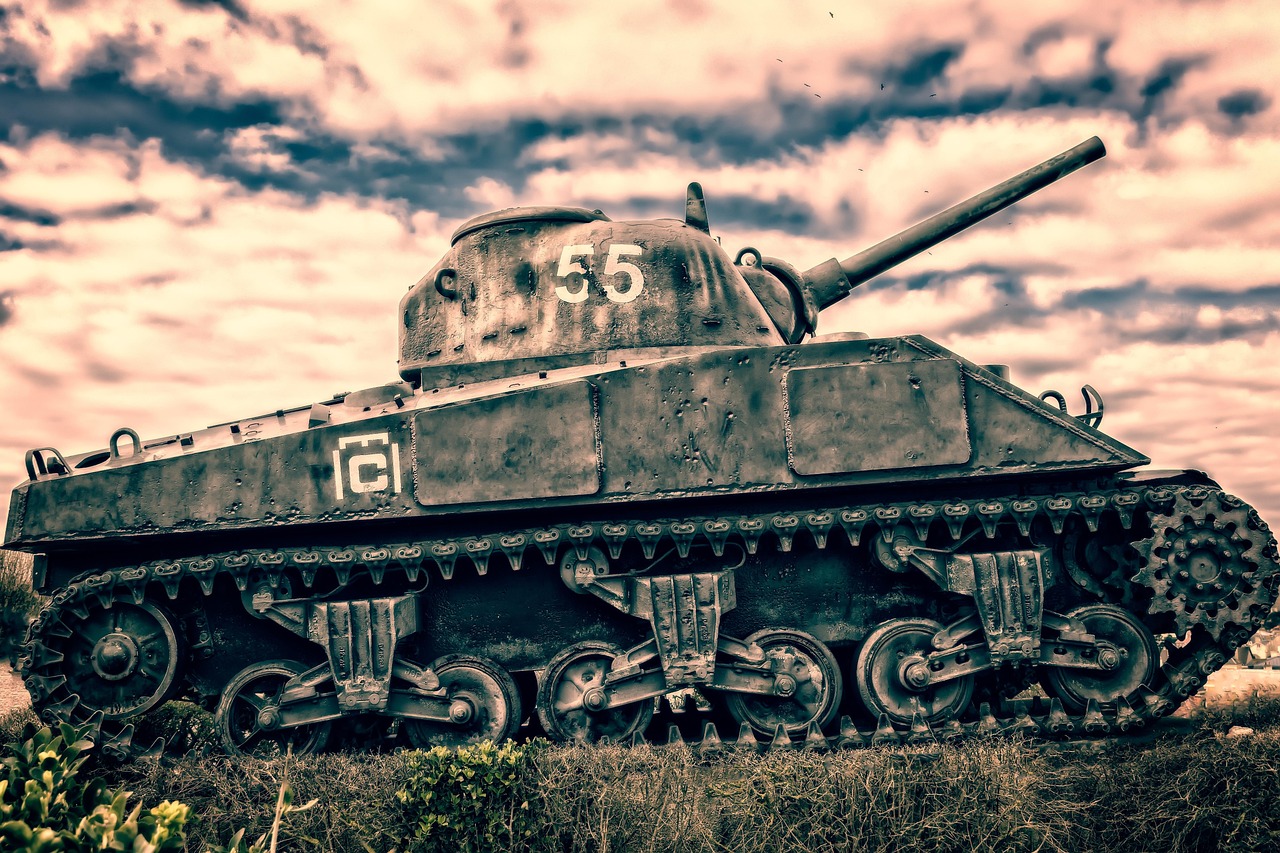
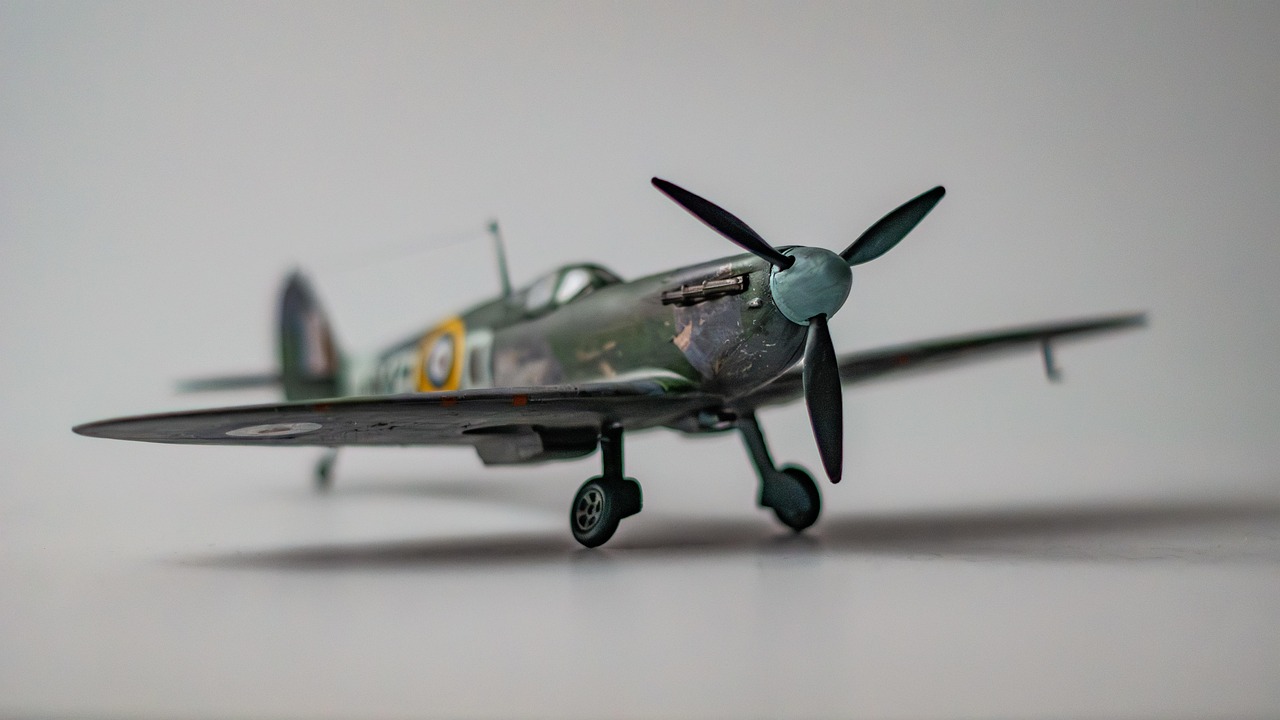
The evolution of warfare technology was staggering. From the machine gun and tank in WWI to nuclear weapons, jet engines, and ballistic missiles in WWII, technological advancement precipitated a qualitative leap in combat capabilities.
Strategic Doctrines and Tactics
The development of blitzkrieg, strategic bombing, and amphibious assaults exemplifies tactical innovations. Air superiority, logistic breakthroughs, and electronic warfare became decisive factors.
Governance & Law
Military-Political Structures
Authoritarian regimes and democratic alliances shaped wartime governance. Military hierarchies and command structures adapted to rapid technological change and strategic complexity.
Legality and War Crimes
Post-WWI treaties and the Nuremberg Trials post-WWII established frameworks for international law, influencing how warfare and accountability are addressed today.
Archaeology & Sources
Military archives, battlefield archaeology, and firsthand accounts form the backbone of our understanding. These sources reveal technological artifacts, strategic plans, and human experiences that illustrate the layered history of warfare.
Timeline
- 1914: Assassination of Archduke Franz Ferdinand triggers WWI
- 1917: U.S. enters WWI; Russia withdraws post-February Revolution
- 1918: Armistice signed; end of WWI
- 1929: Stock Market Crash; economic decline influences WWII conditions
- 1939: Nazi Germany invades Poland; WWII begins
- 1941: Pearl Harbor attack; U.S. enters WWII
- 1944: D-Day, Normandy landings
- 1945: Atomic bombs dropped on Hiroshima and Nagasaki; WWII ends
Debates & Controversies
Discussions persist regarding the justification of total war, the ethics of strategic bombing, and the use of nuclear weapons. The legacies of atrocities and genocides during WWII remain deeply contentious topics.
Conclusion
Examining the strategic tangents of global conflict reveals a tapestry woven from military innovation, societal upheaval, and geopolitical maneuvering. The evolution from trench warfare to nuclear deterrence underscores humanity's capacity for technological ingenuity and destruction. As the world continues to face complex conflicts, understanding the historical interplay of these factors remains vital for shaping a future oriented towards peace, stability, and resilience.