Mesopotamia, the "land between rivers" (Tigris and Euphrates), was the crucible where human civilization first truly took shape. Around 4500 BCE, a people known as the Sumerians began to settle in the southern reaches of this fertile region, transforming small agricultural villages into bustling urban centers. These were the Sumerian city-states, independent political entities that shared a common culture, language, and religious beliefs, yet were locked in a perpetual dance of cooperation and fierce competition. Their story is one of groundbreaking innovation born from necessity, and relentless conflict fueled by ambition and the struggle for precious resources.

The Rise of the City-States: Urban Revolution
The unique geography of southern Mesopotamia, with its unpredictable rivers and fertile but challenging soil, necessitated large-scale cooperative efforts for irrigation. This need for centralized organization to manage water resources, coupled with agricultural surpluses, led to the development of complex social structures and eventually, the first true cities. Each city-state was centered around a monumental temple dedicated to its patron deity, serving as both a spiritual and administrative hub. Major city-states included Uruk (often considered the world's first true city), Ur, Lagash, Kish, Nippur, Eridu, and Umma, each boasting impressive populations and architectural marvels like the towering ziggurats.
A Culture of Innovation: Building Blocks of Civilization
Despite their rivalries, the Sumerian city-states collectively contributed an astonishing array of innovations that laid the groundwork for future civilizations:

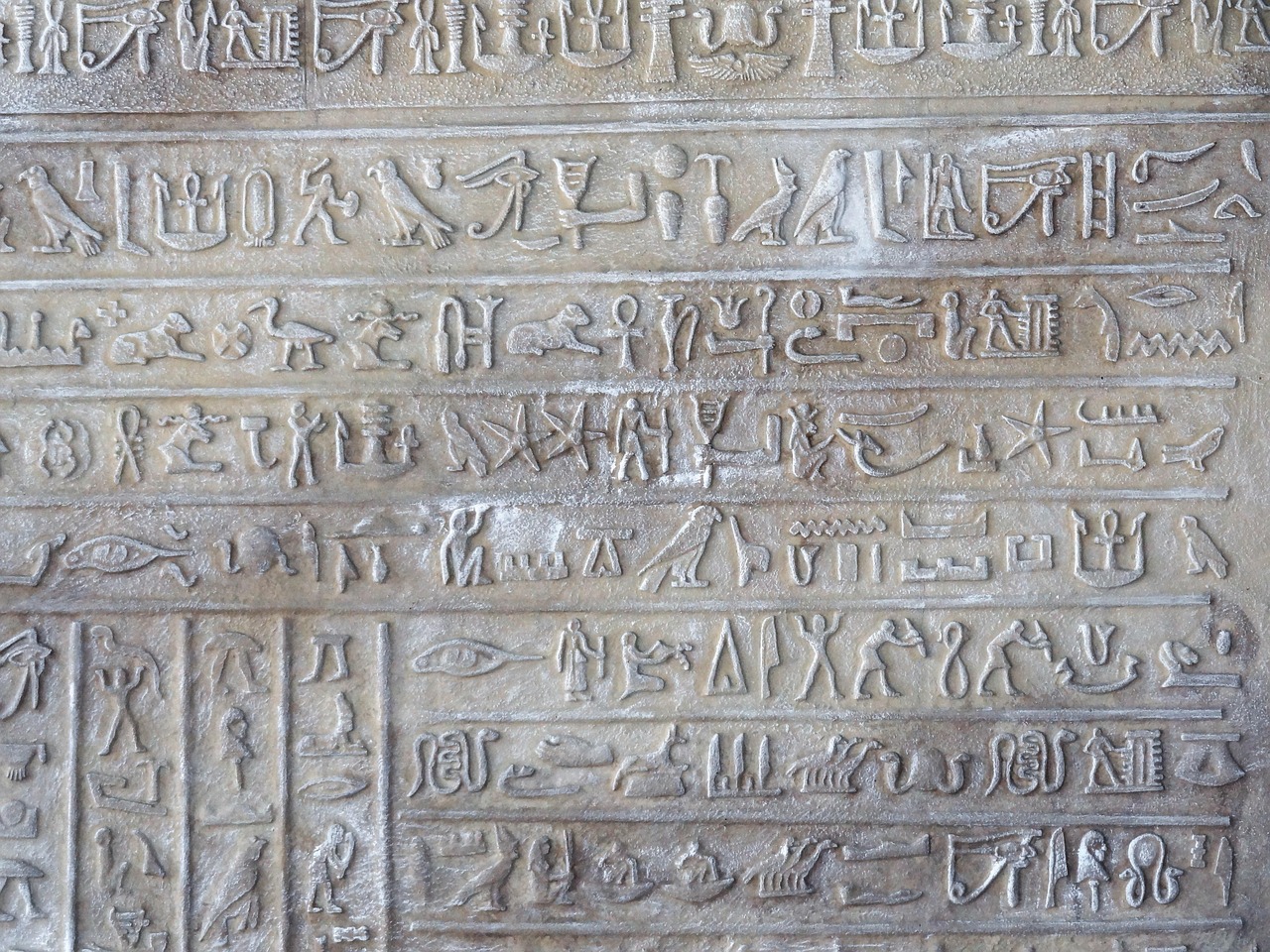
- Cuneiform Writing: Perhaps their most profound invention, cuneiform began as pictograms for record-keeping and evolved into a sophisticated system of wedge-shaped marks, allowing for complex literature, laws, and historical accounts.
- Irrigation Systems: Sophisticated networks of canals, dikes, and reservoirs were essential for harnessing the Tigris and Euphrates, transforming arid land into bountiful fields.
- Mathematics and Astronomy: The Sumerians developed a sexagesimal (base-60) number system, which influenced our modern division of time (60 seconds in a minute, 60 minutes in an hour) and circles (360 degrees). Their astronomical observations were remarkably accurate.
- Architecture: Beyond the ziggurats, they pioneered the use of mud bricks, arches, and domes, creating impressive public buildings and defensive walls.
- The Wheel: While its exact origin is debated, the Sumerians were among the first to widely employ the wheel for both pottery and transportation, revolutionizing trade and warfare.
- Law and Governance: Early forms of legal codes emerged, addressing disputes and establishing societal norms, precursors to later comprehensive law codes like Hammurabi's.
A Network of Rivalries: The Struggle for Supremacy
The fertile lands of Mesopotamia were a double-edged sword: they offered immense agricultural potential but also provoked constant contention. The Sumerian city-states were in a near-perpetual state of rivalry, primarily driven by:
- Water Rights: Control over canals and access to the life-giving rivers was paramount. Disputes over water often escalated into armed conflict.
- Border Disputes: As populations grew and territories expanded, defining and defending borders became a constant source of friction.
- Trade Routes: Control over vital trade routes, which brought in resources like timber, stone, and metals not found locally, was a key strategic objective.
- Hegemony: Ambitious rulers sought to establish dominance over neighboring city-states, leading to cycles of conquest and subjugation. The "Standard of Ur" depicts both peace and war, illustrating this duality.
Notable conflicts include the long-standing rivalry between Lagash and Umma over a fertile border region known as the Gu'edena, documented in detail on the Stele of the Vultures. These wars, often brutal, saw the rise of powerful warrior-kings who commanded professional armies.
The Role of Religion and Kingship
Religion permeated every aspect of Sumerian life. Each city-state had its patron deity, and the local temple, managed by powerful priests, was the economic and spiritual heart of the community. The king, initially seen as an intermediary between the gods and the people, gradually consolidated power, evolving into a divine ruler or one chosen by the gods. This concept of divine kingship provided legitimacy for their rule and their military campaigns. The ziggurat, a massive stepped pyramid, symbolized the city's connection to the heavens and its god.

Decline and Legacy: The End of Sumerian Independence
While individual city-states experienced periods of ascendancy, the constant internal strife ultimately weakened Sumer as a whole. Around 2334 BCE, Sargon of Akkad, a Semitic speaker from the north, capitalized on this disunity to conquer all of Sumer, establishing the world's first empire—the Akkadian Empire. Though Sumerian culture experienced a brief resurgence under the Ur III dynasty, it eventually faded as new powers rose.
Yet, the legacy of the Sumerian city-states is immeasurable. They pioneered urban living, invented writing, developed sophisticated legal and administrative systems, and laid the conceptual groundwork for empires and organized religion. Their struggles and triumphs in Mesopotamia's Fertile Crescent represent humanity's first grand experiment in civilization, an experiment whose echoes continue to resonate in our modern world.