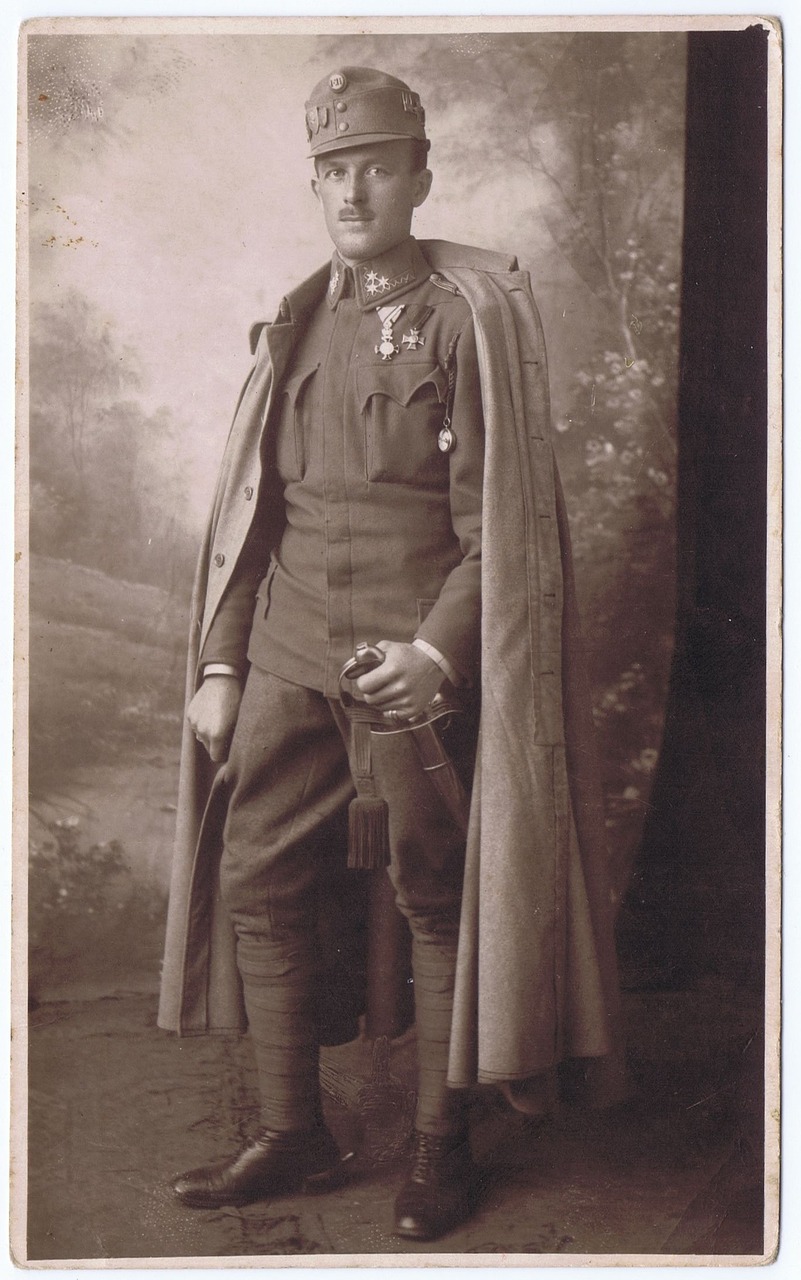
Introduction to World Wars
The period of World War II marked a groundbreaking era in military history, particularly in the development and utilization of air forces. From the early days of biplanes to the era of heavy bombers and jet fighters, aerial combat dramatically altered the dynamics of warfare and strategy.

Origins and Early Developments
Initially seen as auxiliary to ground operations, aircraft quickly proved their strategic value, facilitating reconnaissance missions and disrupting enemy supply lines. As technology advanced, nations began investing heavily in designing aircraft capable of long-range missions and greater payload capacities.
Strategic Bombing Campaigns
The concept of strategic bombing emerged prominently during this period, aiming to weaken enemy infrastructure and morale. The deployment of large bombers like the B-17 Flying Fortress and the Avro Lancaster became central to this approach, transforming how nations projected power from afar.

Technological Innovations and Impact
The war accelerated technological innovation in aviation—jet engines were introduced during the later stages, increasing speed and maneuverability. Precision in targeting improved with advancements in radar and navigation systems, expanding the scope and effectiveness of aerial assaults.
Legacy and Modern Implications
Post-war, the evolution of air tactics and technology laid the groundwork for modern aerial combat, drone warfare, and strategic defense systems. The methods developed during this era continue to influence military planning and technology development worldwide.