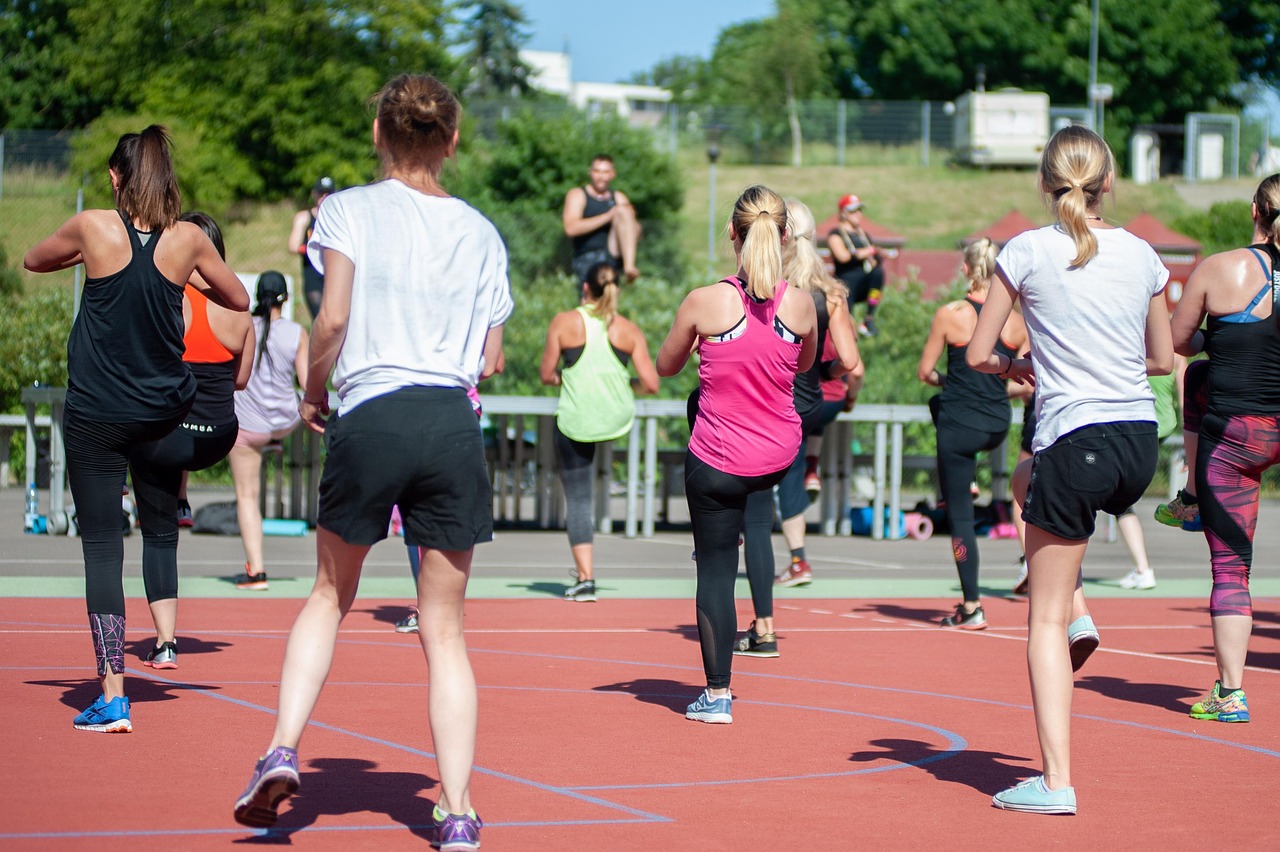
Over recent decades, modern dance has stood as a dynamic force in the realm of expressive performance. Unlike traditional dance forms bound by rigid structures, contemporary movement styles embrace experimentation, personal expression, and cultural dialogues, transforming the landscape of live performance.
Background
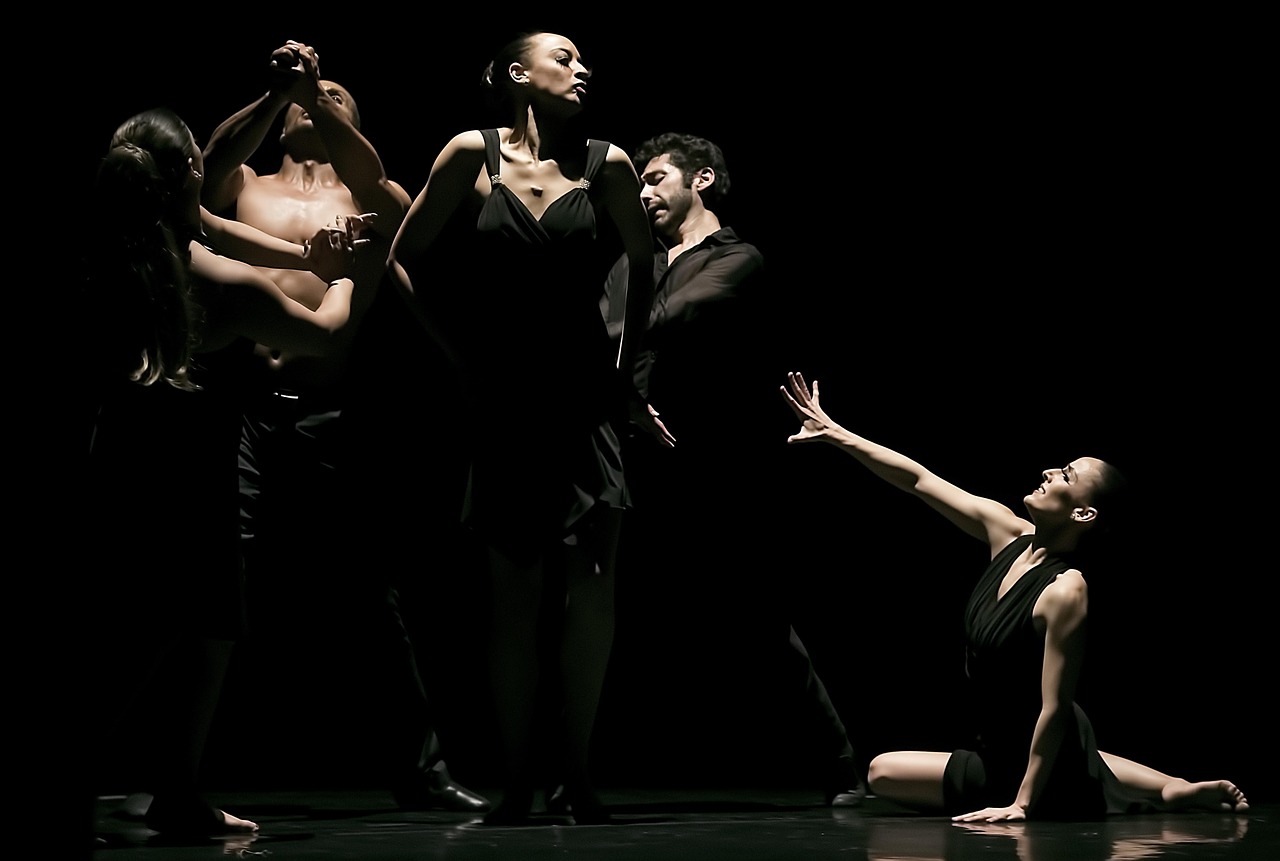
Modern dance emerged as a radical departure from classical ballet and traditional European dance forms at the turn of the 20th century. It was born out of a desire to express authentic human emotion, individualism, and freedom of movement, breaking away from the constraints of formal technique and prescribed aesthetics. Pioneers like Isadora Duncan, Martha Graham, and Merce Cunningham challenged normative concepts of dance, emphasizing personal expression, improvisation, and innovative movement vocabularies.
This movement was not merely about aesthetics but aligned with broader social and cultural shifts that questioned authority, tradition, and institutionalized art. As a performance art, modern dance became a space for experimentation, activism, and cultural commentary, reflecting the tumultuous political and social upheavals of the 20th century.
Geography
The genesis and development of modern dance were primarily rooted in the United States and Europe. New York City became a focal point, hosting groundbreaking companies and choreographers shaping the movement's trajectory. Europe, especially Germany and France, also contributed significantly through experimental choreographers who integrated avant-garde ideas, influenced by movements like Expressionism and Surrealism.
In subsequent decades, modern dance spread globally, evolving in Asian, African, and Latin American contexts, wherelocal socio-cultural realities infused new vitality into the form. This geographical dispersal underscores the movement’s adaptability and its capacity to serve as a mirror to diverse cultural identities.
Society & Culture
Modern dance challenged societal norms regarding gender roles, body politics, and artistic expression. Women, in particular, found in modern dance a platform for empowerment, breaking free from societal expectations of femininity. Performers and choreographers used the stage to confront issues such as sexuality, political rebellion, and racial injustice.
The movement also influenced fashion, film, and visual arts, intertwining with other cultural spheres to promote a modernist ethos. Its emphasis on authenticity and emotional honesty resonated with audiences seeking more meaningful artistic experiences, thus shaping contemporary notions of art as a form of activism and personal expression.
Economy & Trade
The rise of modern dance spurred economic activity related to performance arts infrastructure—dance studios, companies, festivals, and education programs. Investment in artistic innovation created new markets for avant-garde choreography and performance space rental.
Moreover, international tours, collaborations, and cultural exchanges fostered a global economy around dance, promoting cross-cultural dialogue and expanding the market for performance arts. This financial ecosystem helped sustain dance companies and fostered the commercialization of innovative styles.
Military & Technology
While not directly military, modern dance's evolution paralleled technological advances such as film, broadcasting, and stagecraft, which expanded its reach. Innovations like multimedia performances, digital recording, and virtual reality enabled choreographers to experiment with new spaces and audience engagement modes.
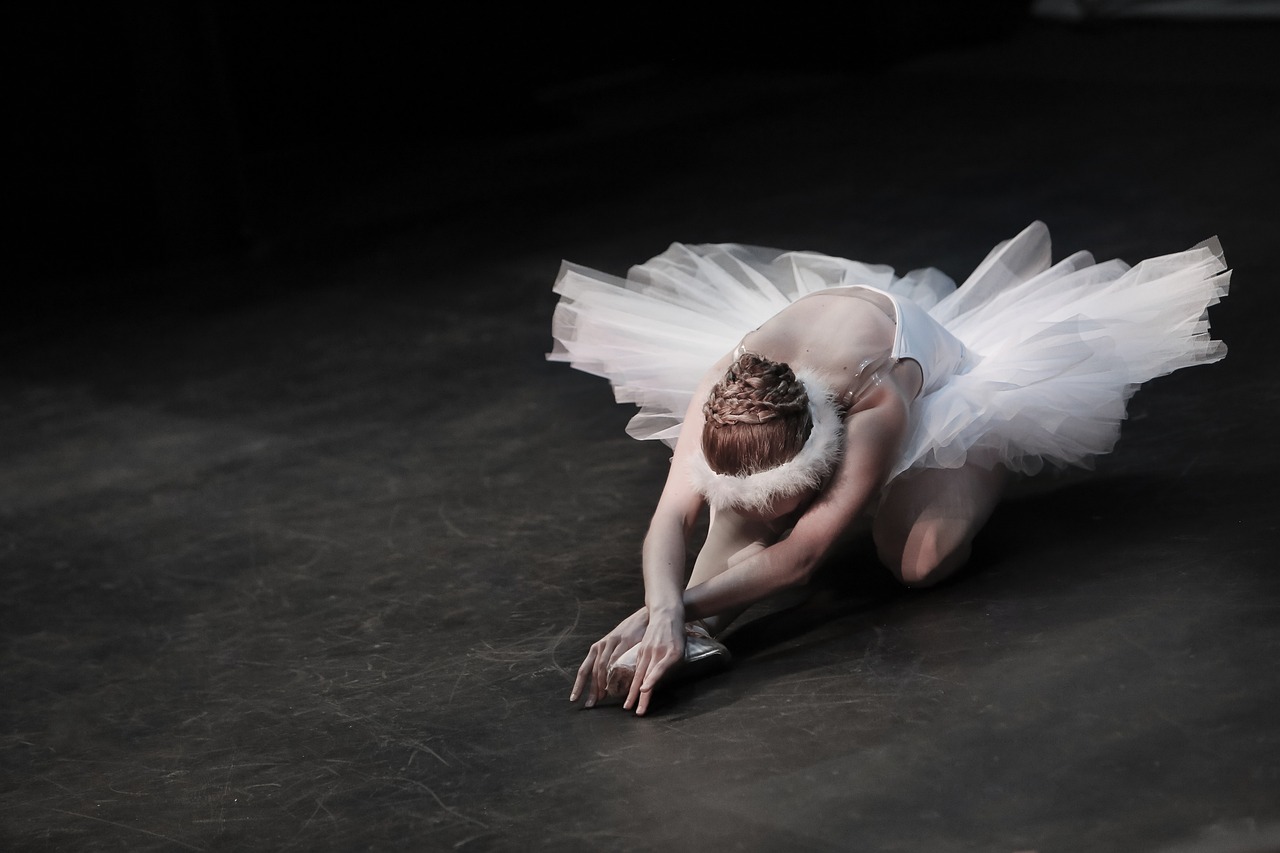
Post-World War II, technological integration allowed for documentation of performances, making modern dance accessible beyond traditional venues. This fostered a broader cultural dissemination and preservation of the movement's innovations.
Governance & Law
Modern dance's growth was influenced by cultural policies promoting arts funding and freedom of expression. Governments and private institutions supported avant-garde arts, recognizing their societal value. Intellectual property laws also adapted to protect choreography and performance rights, encouraging innovation and commercialization.
Meanwhile, debates surrounding censorship, cultural ownership, and access to performance spaces remain relevant, reflecting ongoing tensions between artistic freedom and societal regulation.
Archaeology & Sources
Research into modern dance relies heavily on archival footage, choreographic manuscripts, and oral histories. Museums and universities house collections that document choreographers' creative processes, performances, and cultural contexts. Critical reviews, personal letters, and interviews offer insights into the movement’s ideological shifts and aesthetic developments.
Sources such as the Martha Graham Archive and International Dance Archives serve as vital repositories for scholars seeking to understand the historical evolution and cultural significance of modern dance.
Timeline
- Early 1900s: Isadora Duncan champions free expression
- 1910s-1920s: Martha Graham and Doris Humphrey develop groundbreaking techniques
- 1930s-1940s: Post-war experimentation and technological integration
- 1950s-1960s: Laban Movement Analysis and Cunningham’s innovations
- 1970s-present: globalization, diversity, and digital multimedia performances
Debates/Controversies
Modern dance has faced criticism for its experimental nature and sometimes aloof aesthetics, perceived as inaccessible or elitist. The commercialization of avant-garde styles has sparked conversations about the commercialization and commodification of once-rebellious art forms.
Debates also revolve around cultural appropriation, intellectual property, and the authenticity of choreographic ownership, especially as dance continues to globalize and interdisciplinary collaborations proliferate.
Conclusion
The evolution of modern dance movements encapsulates a broader cultural revolution—one rooted in rebellion, innovation, and the pursuit of authentic expression. From its origins as an act of artistic defiance to its current status as a globally influential artistic form, modern dance exemplifies how movement can serve as a mirror to societal changes, a tool for cultural dialogue, and a catalyst for personal liberation.