Long before the digital age, the movement of people, goods, and ideas was driven by carefully established networks that crisscrossed continents. These trade routes served not just as paths for commerce but as vital channels for cultural interactions, fostering the growth of civilizations and the diffusion of innovations.

Background
The story of ancient civilizations is inextricably tied to the networks of trade routes that spanned continents and their pervasive cultural exchanges. From the early Mesopotamian traders to the merchants along the Silk Road, these pathways laid the groundwork for economic cooperation, technological diffusion, and cultural enrichment. Trade in antiquity was more than commodity exchange; it was a conduit for ideas, religions, technologies, and art, effectively knitting early societies into a complex, interconnected fabric.
Geography
The development of trade routes was heavily influenced by geographical features, such as mountain ranges, rivers, deserts, and coastlines. Civilizations flourished along fertile river valleys like the Nile, Tigris, and Euphrates, which served as natural corridors for transportation and communication. The Sahara, mountain passes in the Himalayas, and the Mediterranean basin created natural choke points and passageways that dictated trade flow directions. Strategic locations such as the Persian Gulf, Anatolia, and the Indus Valley became hubs of commerce owing to their accessibility and economic significance.
Society & Culture
The movement of goods was synchronized with the movement of ideas and cultural practices. Traders not only carried silk, spices, or precious metals but also transmitted language, religious beliefs, artistic styles, and social customs. In Egypt, inscriptions and artifacts reveal iconography borrowed from neighboring regions; in China, Buddhist teachings traveled along the Silk Road, influencing local spiritual practices. Urban centers along trade routes served as melting pots of customs, fostering intercultural interactions that significantly enriched the societies involved.
Economy & Trade
Trade networks were vital drivers of economic development, leading to the rise of merchant classes, marketplaces, and specialized crafts. Goods like gold, textiles, ceramics, and medicinal herbs fostered regional and international markets. The diversification of trade commodities fostered economic resilience, while the development of currency systems, from cowry shells to coinage, facilitated more efficient transactions. Trade routes such as the Amber Road, Incense Route, and the Silk Road acted as economic arteries connecting distant civilizations, allowing the flow of wealth, technology, and knowledge.
Military & Technology
Control over trade routes often translated into military dominance, with civilizations establishing fortified trade hubs and protecting caravans from piracy and raiding. Technological innovations, such as improved shipbuilding, navigation instruments, and relay stations, enhanced the efficiency and safety of commerce. The development of the caravansary system in Persia and the use of camels in Arabia exemplify technological adaptations to difficult terrains, enabling long-distance trade to flourish.
Governance & Law
Regulation of trade was embedded into political and legal frameworks. Empires like the Persian Achaemenids established imperial roads, standardized weights and measures, and diplomatic protocols to streamline commerce. Contracts, merchant guilds, and legal codes provided stability and trust, essential for sustained trade. Diplomatic exchanges often accompanied commercial activities to ensure peaceful relations and resolve disputes, thus embedding trade deeply into governance structures.
Archaeology & Sources
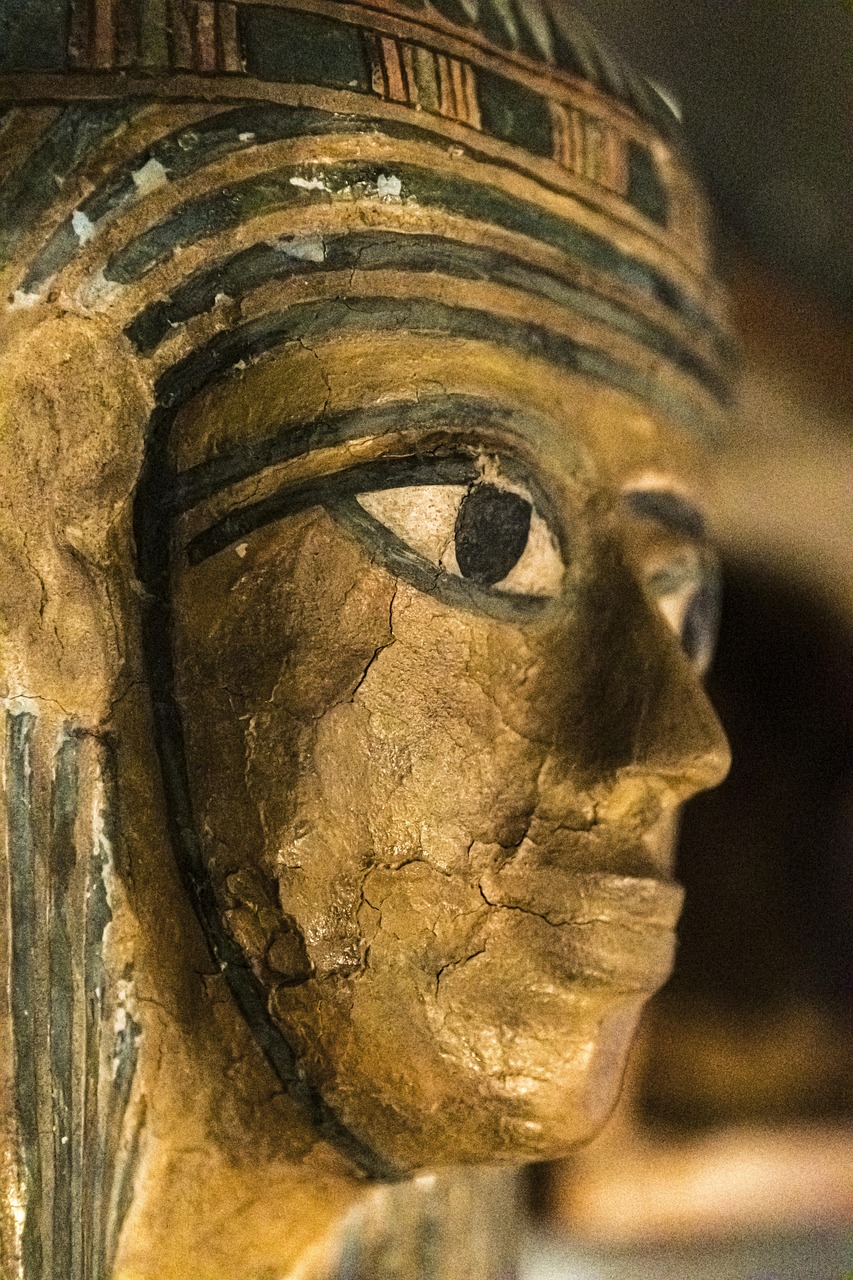
Our understanding of ancient trade routes primarily stems from archaeological findings—such as relics of ancient ports, trade ware, inscriptions, and documents. The discovery of the Niya murals in China, Roman coins in Africa, and the mummified remains of traders reveal the extent of intercultural interactions. Textual sources including trade records, treaties, and travelogues from authors like Herodotus and SuShi provide invaluable insights into the scale and scope of these trade networks.
Timeline
- 3000 BCE: Early river trade along the Nile and Euphrates;
- 2000 BCE: The rise of Mesopotamian trade networks;
- 1500–500 BCE: The development of the Indus Valley Trade System;
- 206 BCE–220 CE: The expansion of the Silk Road during the Han Dynasty;
- 1st century CE: Maritime trade begins to flourish across the Indian Ocean;
- 7th–14th centuries: The dissemination of Islamic trade routes and merchant networks;
- 14th–17th centuries: European exploration leads to new oceanic trade routes.
Debates and Controversies
Scholars discuss the extent of state control over trade routes, the impact of trade on social stratification, and the consequences of cultural exchanges, including cultural homogenization versus localization. Some debates focus on whether trade primarily fostered peace or provoked conflict. Questions also surround the environmental impact of long-distance trade, including resource extraction and landscape modification.
Conclusion
The intricate webs of trade routes and cultural exchanges in ancient civilizations did more than facilitate the exchange of goods—they ignited cross-cultural dialogues, technological innovation, and societal transformation. These networks created a dynamic environment where ideas and innovations traversed borders, continually reshaping civilizations across continents. Recognizing the vibrancy and complexity of these early global systems enriches our understanding of both history and the interconnected world we inhabit today.