Introduction to Industrial Revolution
Subtitle: From a simple model to the pulsating heart of a new era, James Watt's improved steam engine didn't just power machines; it reshaped civilization itself.

The Age of Steam Dawns (Slowly)
Before the roar of Watt's engines echoed across the land, the world moved at the pace of muscle, wind, and water. For millennia, human progress was constrained by these natural limits. The 18th century, however, was stirring with ingenuity. Thomas Newcomen had already introduced a rudimentary atmospheric engine in 1712, a colossal, clanking beast primarily used to pump water out of coal mines. While revolutionary for its time, Newcomen's engine was notoriously inefficient, consuming vast quantities of coal and operating with a slow, ponderous rhythm. It was a step, but not the leap required to truly ignite an industrial age.
Watt's Eureka Moment: The Separate Condenser
Enter James Watt, a Scottish instrument maker. In 1764, while repairing a model of Newcomen's engine, Watt was struck by its wasteful design. The continuous heating and cooling of the same cylinder for each stroke was a fundamental flaw, squandering precious heat and fuel. The legendary "eureka" moment, often attributed to a walk across Glasgow Green, led him to conceive of the separate condenser. By moving the condensation process to a chamber distinct from the main cylinder, Watt dramatically reduced heat loss, making his engine far more efficient. This single innovation was the cornerstone of a revolution.
Beyond the Mine: Powering a Revolution
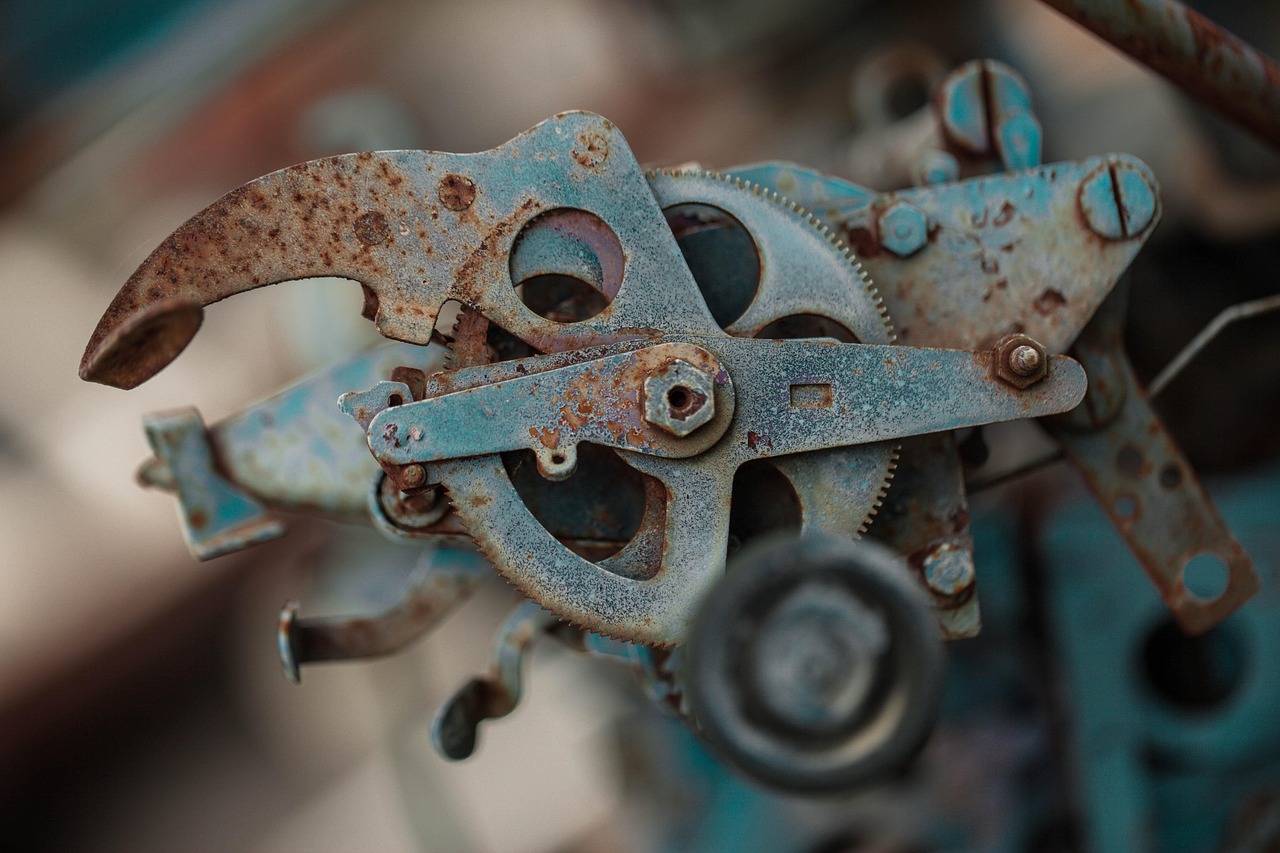
Watt's initial engines, like Newcomen's, were designed for pumping. But his ambition, and that of his visionary business partner Matthew Boulton, extended far beyond the coal pits. Realizing the potential for universal power, Watt developed mechanisms for rotative motion, converting the engine's reciprocating up-and-down movement into a continuous circular motion. This breakthrough, alongside his sun-and-planet gear system (to bypass a patent on the crank), governors for speed control, and pressure gauges, transformed the steam engine from a specialized pump into a versatile prime mover. Suddenly, factories no longer needed to be built next to rivers for water power. Textile mills, ironworks, and countless other industries could spring up anywhere, accelerating production on an unprecedented scale. The Boulton & Watt partnership became synonymous with industrial might, their engines powering the very heart of Britain's burgeoning empire.

The World Remade: Society and Economy Transformed
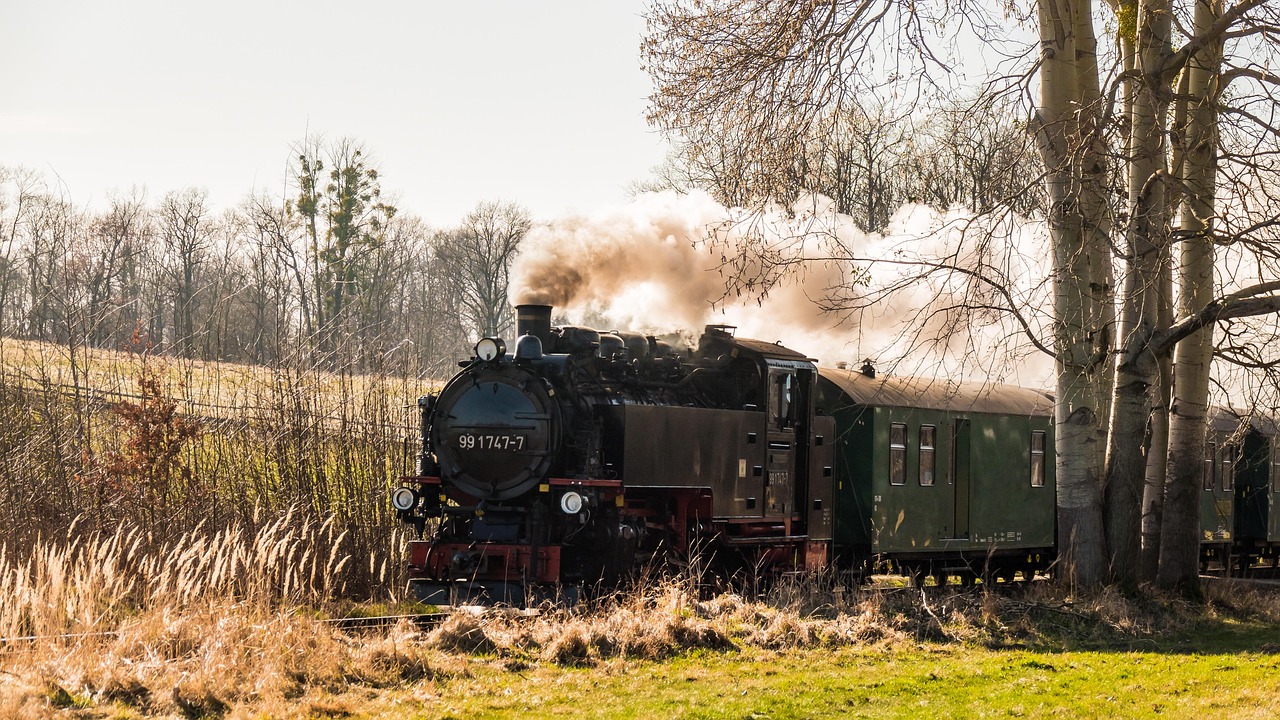
The impact of Watt's steam engine rippled through every stratum of society. It spurred urbanization as people flocked from rural areas to factory towns in search of work. It enabled mass production, making goods more affordable and accessible, fundamentally altering consumer culture. Global trade exploded as steam-powered ships and later, locomotives, reduced travel times and increased cargo capacity. The engine didn't just power machines; it powered an entirely new way of life, creating new social classes, new challenges, and unprecedented opportunities. While the "folly" in the title might suggest skepticism or a misjudgment of its initial potential, it more accurately reflects the almost unbelievable scale of the transformation it unleashed – a transformation so profound it bordered on the audacious.
"Folly" No More: A Legacy of Fire and Steam
James Watt's steam engine was far from a folly; it was a triumph of ingenuity that laid the foundation for the modern world. It liberated humanity from the constraints of natural power sources, providing the muscle for the Industrial Revolution and setting the stage for subsequent technological advancements. From the clanking behemoths of the 18th century to the turbines that generate electricity today, the principles Watt refined continue to influence our energy systems. His legacy is not just in the machines he built, but in the relentless pursuit of efficiency and innovation that continues to drive human progress. The world ignited by Watt's "folly" continues to burn brightly, fueled by the enduring power of his vision.